Six Months into US-Iran War: Stalemate and Hormuz Tensions Drive Oil Volatility
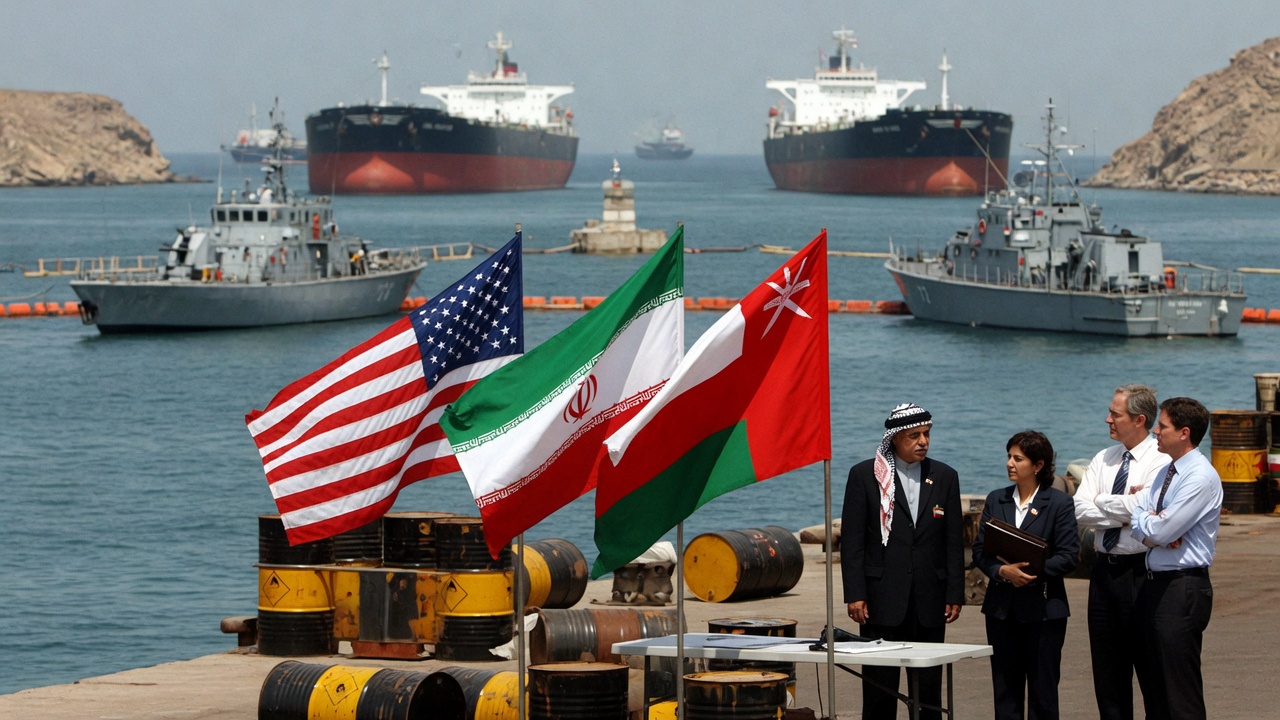
- The US-Iran conflict has reached a costly stalemate after six months, with dueling blockades restricting Strait of Hormuz traffic and oil prices fluctuating on mediation talks between Iran, Oman, and Qatar.
The ongoing US-Iran conflict, now entering its seventh month, has evolved into a protracted energy trench warfare that continues to dominate global markets.
Recent developments on August 26-27, 2026, highlight a stalemate where neither side shows willingness to fully de-escalate, with Iran maintaining pressure through the Strait of Hormuz while the US enforces naval measures.
This has kept roughly a fifth of global oil and LNG flows at risk, sustaining Brent crude around $90 per barrel—about 25% above pre-war levels—despite ample inventories buffering sharper spikes.
Traders are closely watching Qatar's prime minister visit to Tehran and Iran-Oman talks aimed at a temporary Hormuz corridor, which caused intraday oil swings of 1-2% as hopes for eased supply risks emerged.
The conflict's market footprint extends beyond oil: defense contractors have seen sustained demand amid heightened regional tensions, while safe-haven assets like gold and the dollar have benefited from persistent uncertainty.
Europe and Asia are accelerating renewables investment to reduce fossil fuel dependence, potentially shifting long-term energy sector dynamics. OPEC+ influence is waning as China gains leverage through direct purchases, altering traditional supply alliances.
For traders, key watchpoints include shipping data through the strait, any breakthrough in Pakistan-mediated talks, and IMF growth revisions if disruptions persist.
Volatility in energy equities remains elevated, with bullish bias for upstream producers and defense plays but bearish pressure on broader equities from inflation risks. The resilience of global economies has surprised some, yet prolonged stalemate risks compounding costs into 2027.
AI insight — what it means
The news describes a standoff between the US and Iran that is blocking oil shipments through a key waterway, causing oil prices to swing up and down. Retail investors may see this affect energy-related investments and everyday fuel costs without a clear resolution in sight.
Unlock the full AI insight
Free account — takes 10 seconds.
- Why this story matters — explained simply
- How it moves prices, sectors and assets
- What traders and analysts are watching next
Share this story
Spread the signal — link, social or copy.
Related topics
Related coverage
Russia Launches Major Missile and Drone Strikes on Ukraine
US-Iran Ceasefire on 'Life Support' Amid Ongoing Gulf Exchanges
Xi and Putin Meet in Beijing, Condemn US Policies
US Expects Billions in Chinese Farm Purchases Post-Trump-Xi Summit
Trump Seeks China's Help to End Iran War During Trade Talks