Reserve Bank of Australia Holds Cash Rate at 4.35% Amid Persistent Inflation Concerns
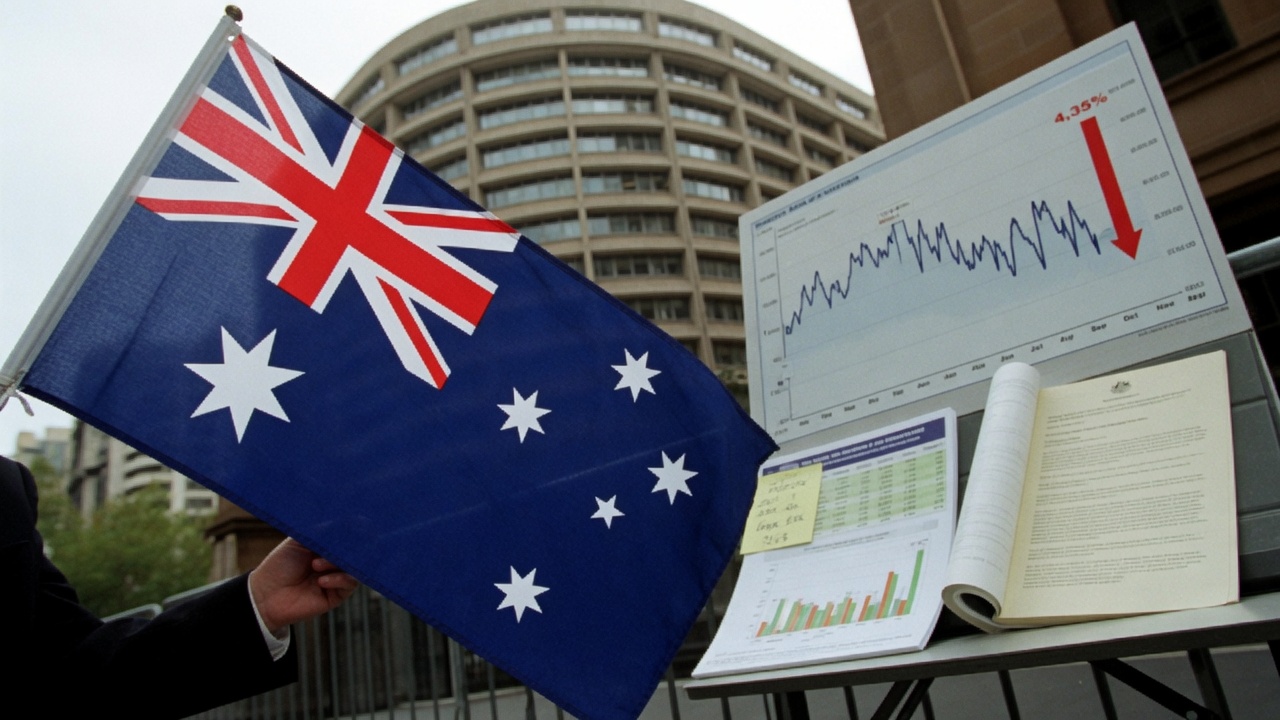
- The RBA left its official cash rate unchanged at 4.35% on August 11, 2026, citing elevated inflation risks heightened by the Middle East conflict.
The Reserve Bank of Australia's decision to hold policy steady reflects a cautious stance in a global environment where geopolitical tensions are reasserting upward pressure on prices.
With inflation still above target and the board unanimously voting to pause after three hikes earlier in the year, the RBA is signaling that further tightening cannot be ruled out if energy costs or supply disruptions intensify.
This matters because Australia serves as a bellwether for commodity-linked economies and carries implications for the Australian dollar, which often moves in tandem with risk sentiment and Chinese demand.
Traders should watch the next RBA meeting for any shift in language around the Middle East war's impact on oil and broader prices, as well as upcoming domestic inflation prints that could force a reassessment of the 4.35% terminal rate.
Equity sectors tied to resources may face volatility if rate expectations firm, while fixed-income investors could see Australian government bonds underperform peers if hawkish surprises emerge.
The hold also underscores a broader theme among developed-market central banks: inflation resilience is proving stickier than anticipated post-pandemic, complicating the path to normalization.
Market participants pricing Australian rate futures should monitor any comments from Governor Bullock on the balance of risks, particularly whether the war premium in commodities warrants preemptive action.
In cross-asset terms, AUD/USD could strengthen on any dovish tilt from the Fed or weaken if global yields rise in sympathy.
Overall, the story reinforces that central banks are prioritizing price stability over growth support in the near term, with potential ripple effects on carry trades and emerging-market funding costs.
AI insight — what it means
The Reserve Bank of Australia decided to keep its main interest rate unchanged at 4.35 percent because inflation remains a concern. For everyday investors this means borrowing costs in Australia are likely to stay high for now, which can slow spending and business growth.
Unlock the full AI insight
Free account — takes 10 seconds.
- Why this story matters — explained simply
- How it moves prices, sectors and assets
- What traders and analysts are watching next
Share this story
Spread the signal — link, social or copy.
Related topics
Related coverage
Fed Chair Warsh Makes First Hires Including 'Project 2025' Author
Fed Officials Signal Readiness to Hike Rates on Inflation Risks

US April PCE Inflation Surges to 3.8% YoY, Fastest in Three Years
ECB Says Consumer Price Expectations Ease But Stay Elevated
US April Core PCE Inflation Hits 3.3% Annual Rate