RBA Official Warns of Further Rate Hikes if Inflation Risks Materialize
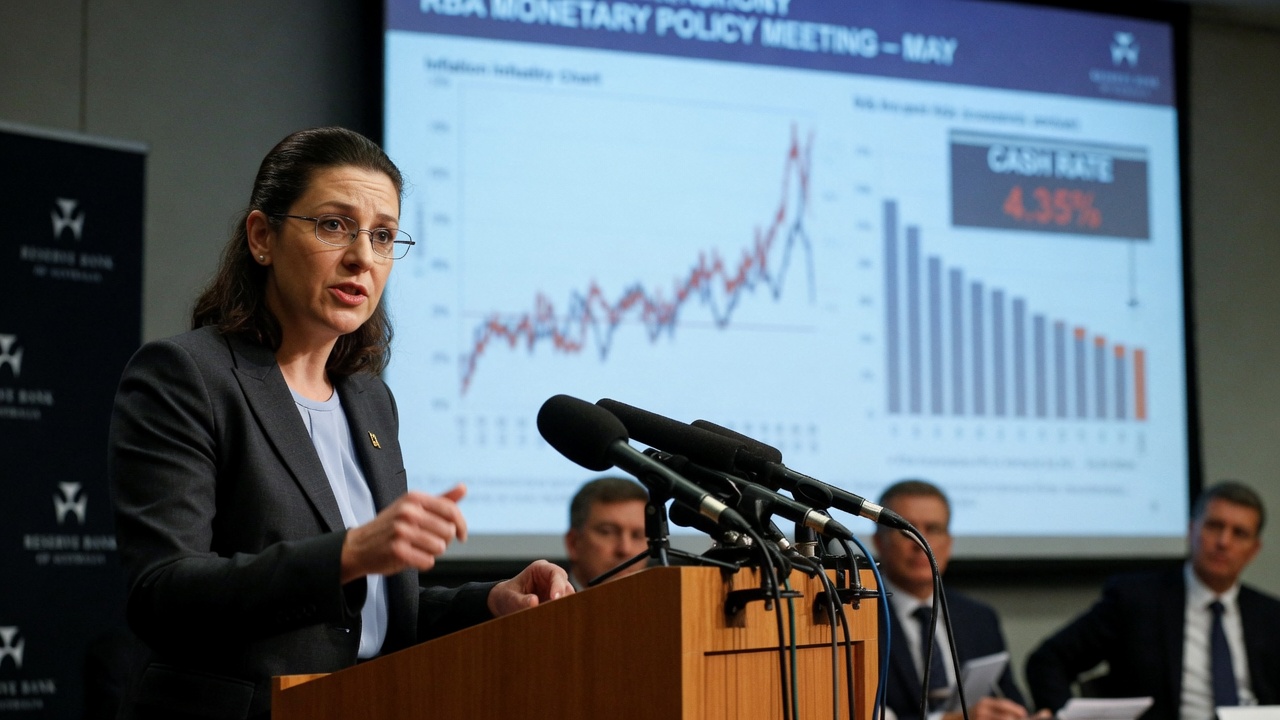
- On August 19, Reserve Bank of Australia Assistant Governor Sarah Hunter Hauser stated that the central bank would raise interest rates again if upside risks to inflation crystallize, reiterating a hawkish stance after holding the cash rate steady at 4.35% for a second consecutive meeting.
Australia's central bank signaled continued vigilance on inflation through comments from a senior official on August 19, warning that additional tightening cannot be ruled out if price pressures reaccelerate.
This follows the RBA's decision to keep rates at 4.35% last week, after cumulative hikes of 75 basis points since February aimed at curbing stubborn inflationary forces.
The emphasis on 'upside risks crystallizing' reflects concerns over domestic demand, wage growth, and external factors like commodity prices that could derail the disinflation path.
This story is significant as it highlights divergent policy trajectories among global central banks, with the RBA appearing more hawkish than some peers despite similar inflation challenges.
For markets, it implies sustained higher-for-longer rates in Australia, which could support the Australian dollar while pressuring domestic equities, particularly in housing and consumer discretionary sectors sensitive to borrowing costs.
Bond yields in Australia are expected to remain elevated, affecting fixed-income investors and mortgage rates. Traders should closely monitor upcoming Australian inflation data, employment figures, and RBA speeches for confirmation of this stance.
Broader implications include potential spillovers to Asian markets and commodity exporters, as a stronger AUD could influence regional currencies.
Next, watch for any shifts in global risk sentiment or commodity price movements that might force the RBA to act, advising caution in leveraged positions tied to Australian assets.
AI insight — what it means
The Reserve Bank of Australia signaled it may raise interest rates again if inflation stays high. This can make loans and mortgages more expensive, which often slows spending and puts downward pressure on stock prices.
Unlock the full AI insight
Free account — takes 10 seconds.
- Why this story matters — explained simply
- How it moves prices, sectors and assets
- What traders and analysts are watching next
Share this story
Spread the signal — link, social or copy.
Related topics
Related coverage
Fed Chair Warsh Makes First Hires Including 'Project 2025' Author
Fed Officials Signal Readiness to Hike Rates on Inflation Risks

US April PCE Inflation Surges to 3.8% YoY, Fastest in Three Years
ECB Says Consumer Price Expectations Ease But Stay Elevated
US April Core PCE Inflation Hits 3.3% Annual Rate