July PCE Inflation Holds Steady at Elevated Levels, Fueling Policy Tightening Debate
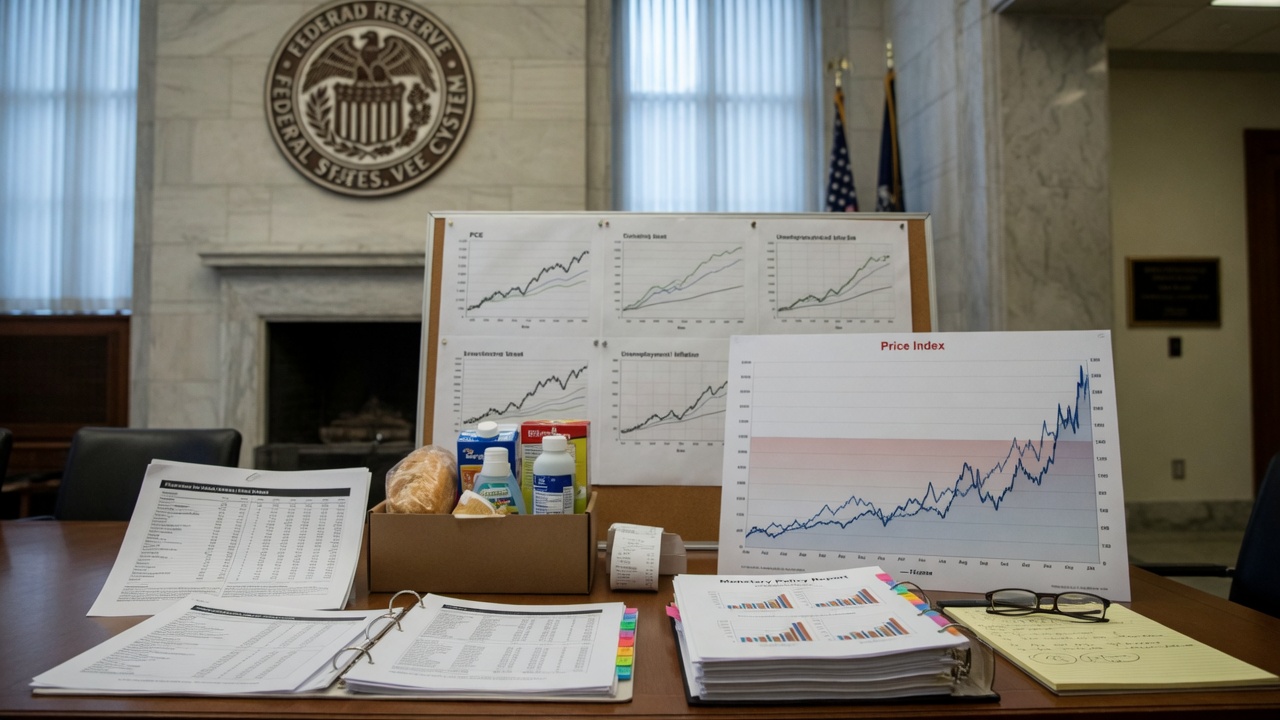
- The Federal Reserve's preferred PCE price index rose 3.7% year-over-year in July 2026, unchanged from June and slightly above expectations, with core PCE at 3.3%, underscoring persistent inflationary pressures amid robust consumer spending.
Fresh details from the July personal consumption expenditures report released on August 26 continue to shape monetary policy expectations into the final days of August. Headline PCE inflation printed at 3.7% on an annual basis, matching the prior month and edging above the 3.6% consensus forecast.
Core PCE, which strips out food and energy, held at 3.3% year-over-year while advancing 0.2% month-over-month.
These readings come against a backdrop of resilient consumer spending, which was revised higher in the second-quarter GDP update, and persistent services price pressures including housing and financial services.
The data has reinforced the view among several Fed officials that policy remains insufficiently restrictive, aligning with dissenting votes at the July meeting and recent hawkish commentary. Market participants have responded by lifting September hike probabilities and pushing real yields higher.
Sectors most directly affected include financials, where banks could benefit from steeper yield curves, and consumer discretionary, which faces headwinds from higher borrowing costs potentially curbing spending. Energy and commodity producers may see mixed effects depending on demand elasticity.
Traders should watch the upcoming August CPI and employment reports for confirmation of the trend, as well as any revisions to growth or inflation forecasts from major banks. Persistent inflation above 3% raises the risk of secondary effects such as wage-price spirals if labor markets remain tight.
Portfolio managers are advised to monitor breakeven inflation rates in TIPS markets for shifts in long-term expectations. A sustained elevation in PCE could also pressure emerging market currencies and debt, given the USD's strengthened position.
The episode highlights the challenge facing Chair Warsh in balancing growth and price stability without derailing the expansion.
AI insight — what it means
This news means prices for everyday goods are staying high, which could push the central bank to keep borrowing costs elevated. Everyday investors may see stock prices face more downward pressure as a result.
Unlock the full AI insight
Free account — takes 10 seconds.
- Why this story matters — explained simply
- How it moves prices, sectors and assets
- What traders and analysts are watching next
Share this story
Spread the signal — link, social or copy.
Related topics
Related coverage
Fed Chair Warsh Makes First Hires Including 'Project 2025' Author
Fed Officials Signal Readiness to Hike Rates on Inflation Risks

US April PCE Inflation Surges to 3.8% YoY, Fastest in Three Years
ECB Says Consumer Price Expectations Ease But Stay Elevated
US April Core PCE Inflation Hits 3.3% Annual Rate