Iran War Uncertainty Over Strait of Hormuz Reopening Drives Oil Volatility
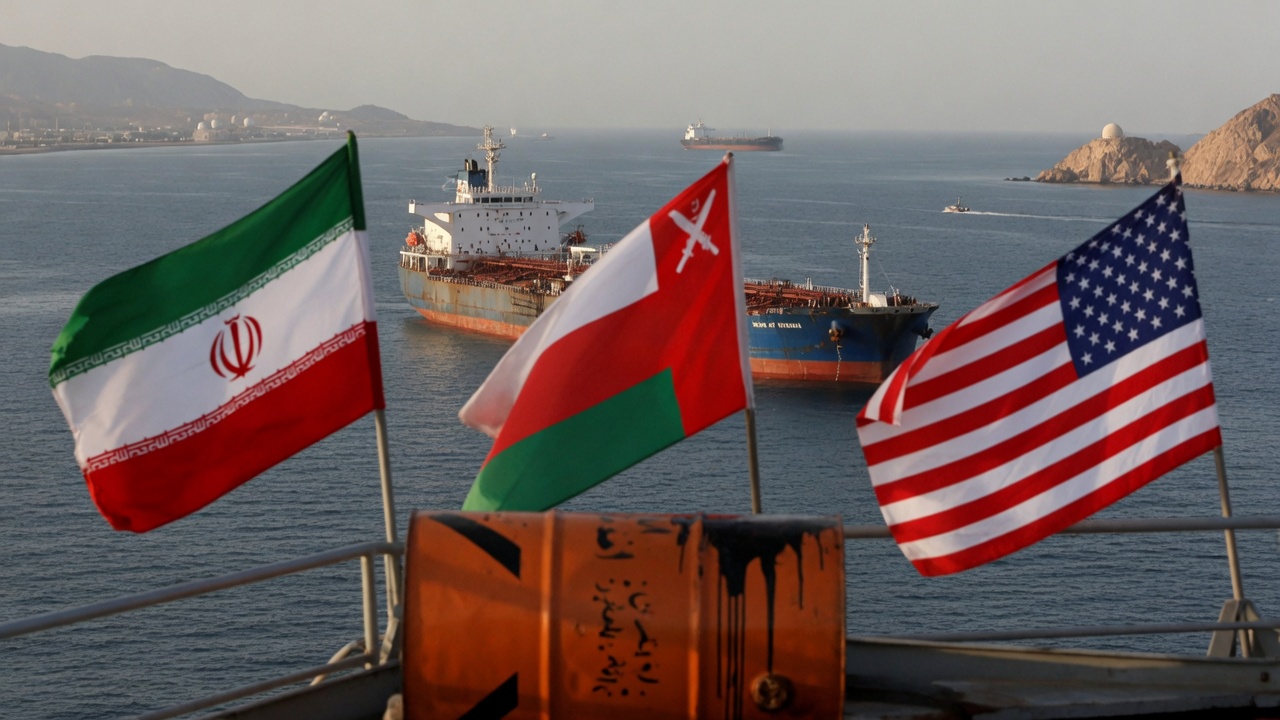
- Oil prices rose as talks between Iran and Oman on reopening the Strait of Hormuz face delays amid new Iranian demands, with Brent climbing $1 amid ongoing supply concerns from the five-month US-Iran conflict.
The prolonged US-Iran war, now in its sixth month as of early August 2026, continues to exert significant pressure on global energy markets through disruptions at the Strait of Hormuz, a critical chokepoint for roughly one-fifth of global oil trade.
Recent developments show mixed signals: US officials expressed optimism for an imminent deal between Iran and Oman that could restore commercial shipping and prompt Washington to lift its blockade of Iranian ports, yet Iranian demands for tolls and control have slowed progress, leading to reduced vessel traffic through the strait this week.
This uncertainty has pushed Brent crude higher by about $1 per barrel, reversing some earlier declines tied to hopes of de-escalation.
The conflict's ripple effects include depleted global strategic reserves proposals from earlier in the year and persistent risks of further attacks on tankers, as evidenced by recent reports of an Iranian missile targeting a UAE-linked ADNOC vessel.
Traders are closely monitoring diplomatic updates from Oman and potential US responses, including any easing of sanctions or renewed military posturing by the Trump administration.
Defense sectors stand to benefit from sustained tensions, while safe-haven assets like gold may see renewed interest if talks falter. Oil producers in OPEC+ are adjusting output amid the volatility, and consumers face lingering higher fuel costs that could influence US midterm politics.
Next, watch for concrete announcements on Hormuz traffic resumption or escalation signals from Tehran, which could swing prices 5-10% in either direction within days.
Broader market implications include potential impacts on inflation data, with China's recent cooling factory-gate prices already reflecting some easing of prior oil shocks, though renewed disruptions could reverse that trend quickly.
Investors should position for volatility in energy futures and related equities, favoring those with strong balance sheets in defense and energy infrastructure.
Share this story
Spread the signal — link, social or copy.
Related topics
Related coverage
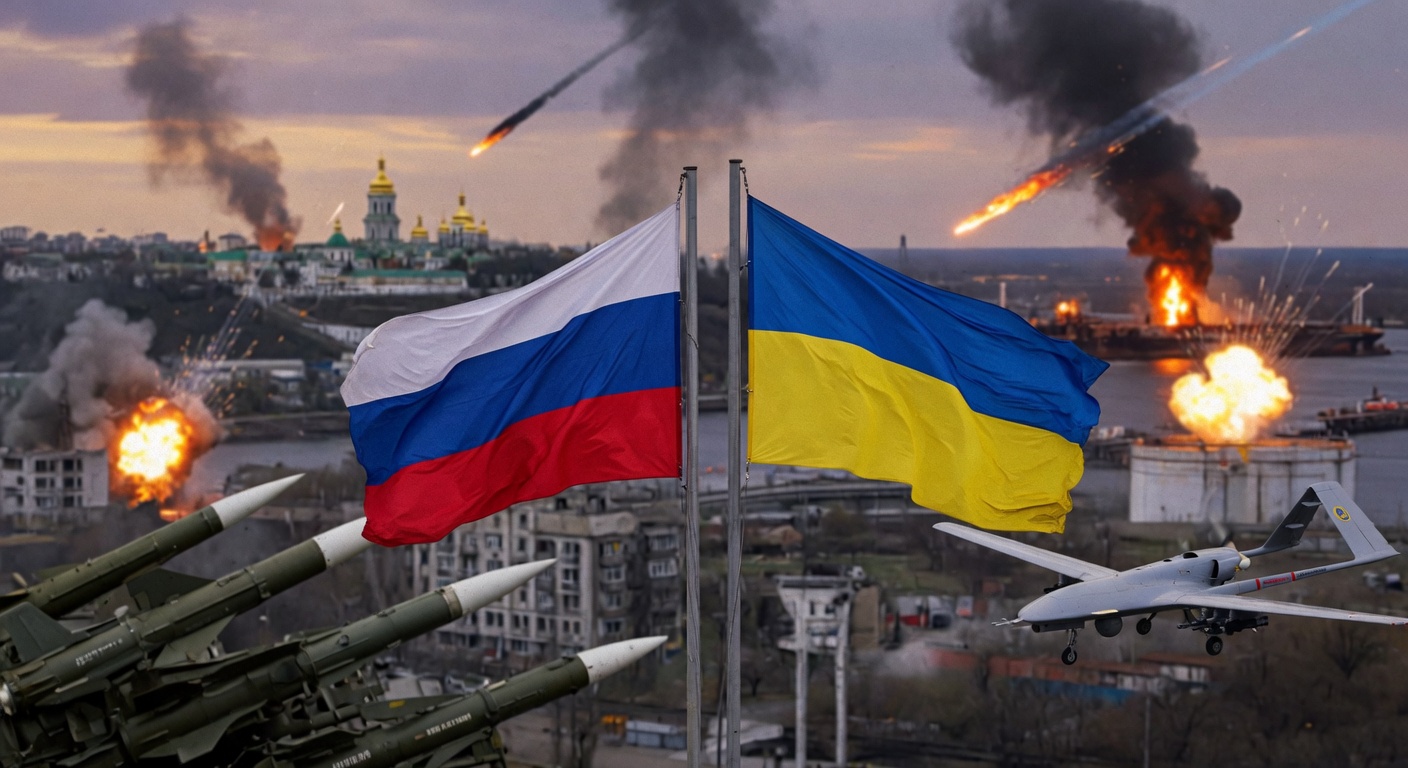
Russia Launches Major Missile and Drone Strikes on Ukraine
Russia hit Ukraine with hypersonic and ballistic missiles including Oreshnik, with major attacks reported on Kyiv; Ukraine struck Russia's Sheskharis oil terminal in response.
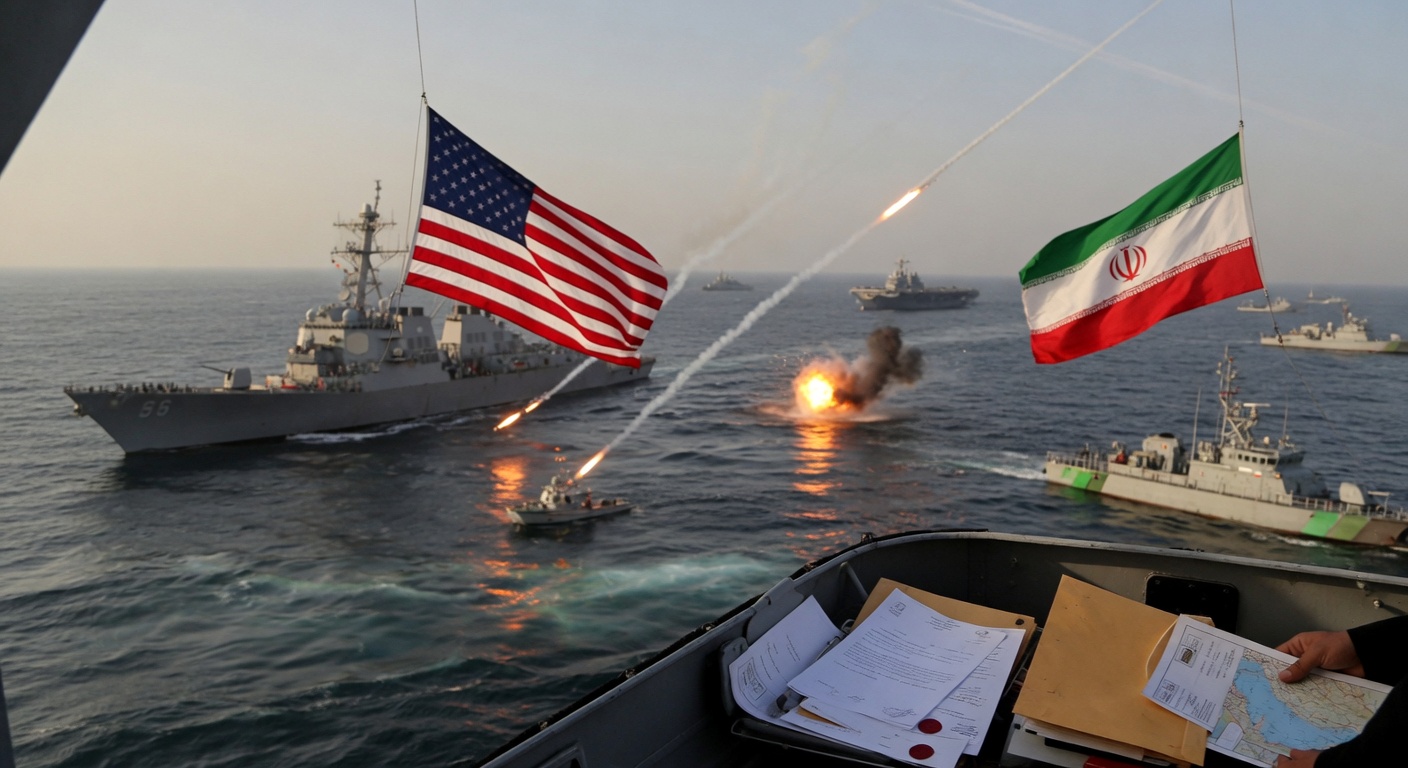
US-Iran Ceasefire on 'Life Support' Amid Ongoing Gulf Exchanges
President Trump stated the Iran ceasefire is on life support after rejecting proposals; sides traded fire in the Gulf with efforts to end the war stalling.
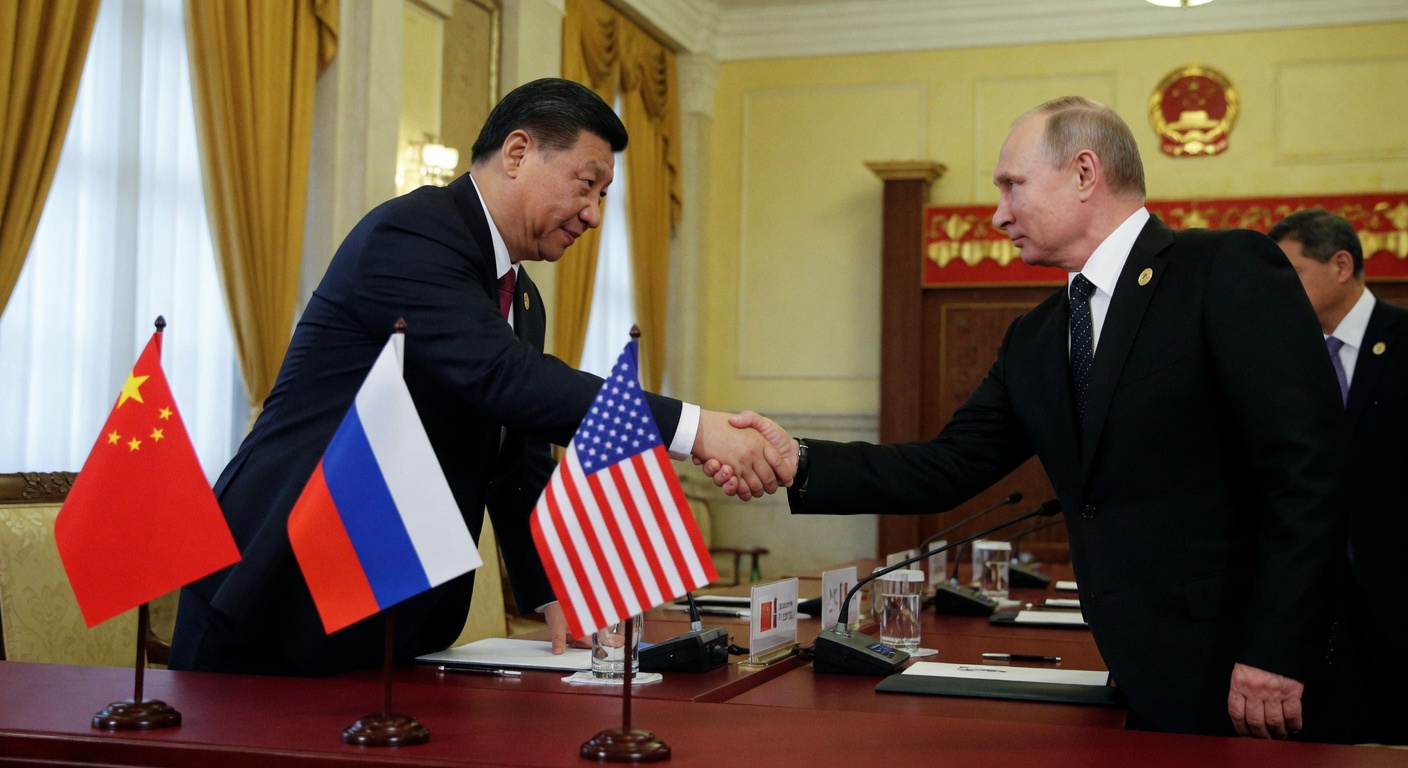
Xi and Putin Meet in Beijing, Condemn US Policies
Chinese and Russian leaders criticized Trump's missile defense plans and nuclear policy during summit days after Trump's China visit; no major new gas deal reached.
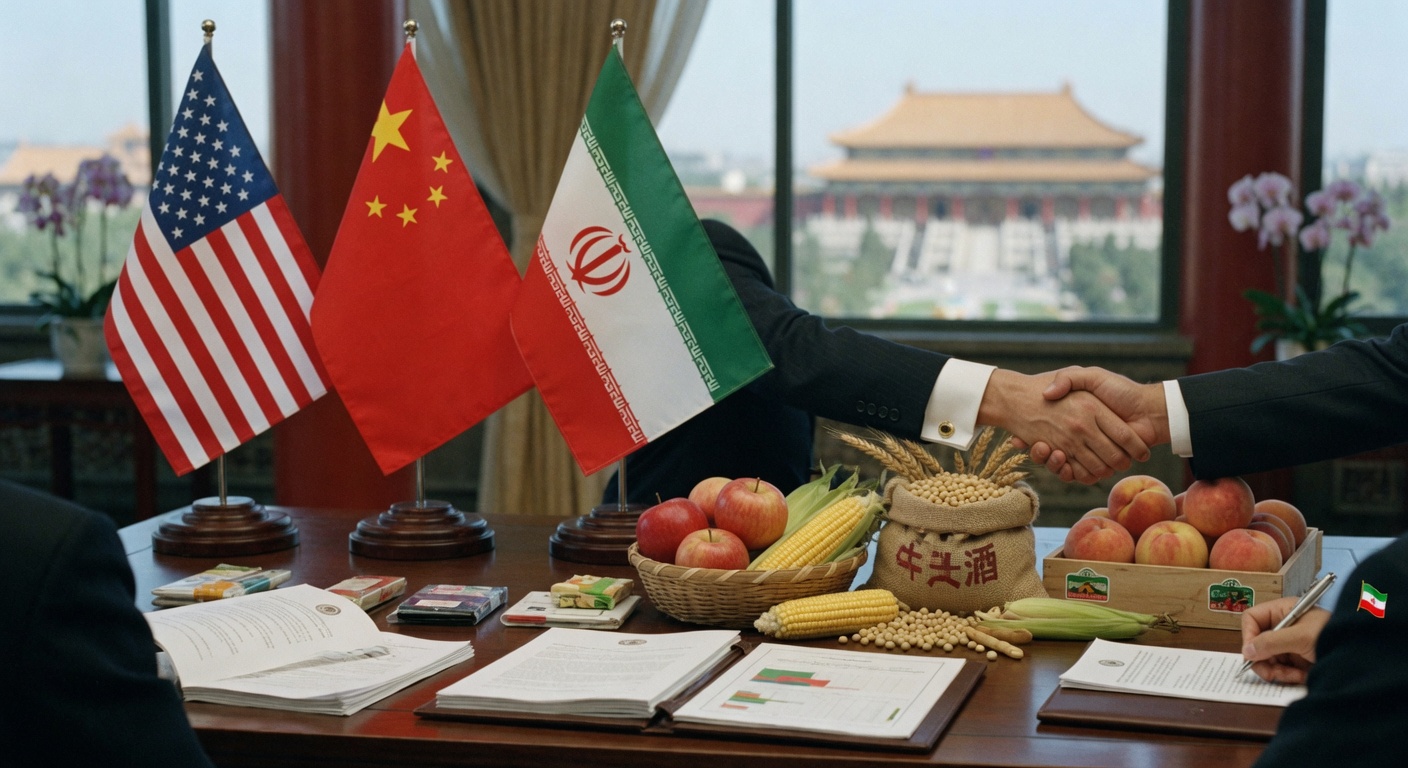
US Expects Billions in Chinese Farm Purchases Post-Trump-Xi Summit
US Trade Rep said China to buy double-digit billions in US farm goods following Beijing summit focused on trade truce extension and Iran issues.
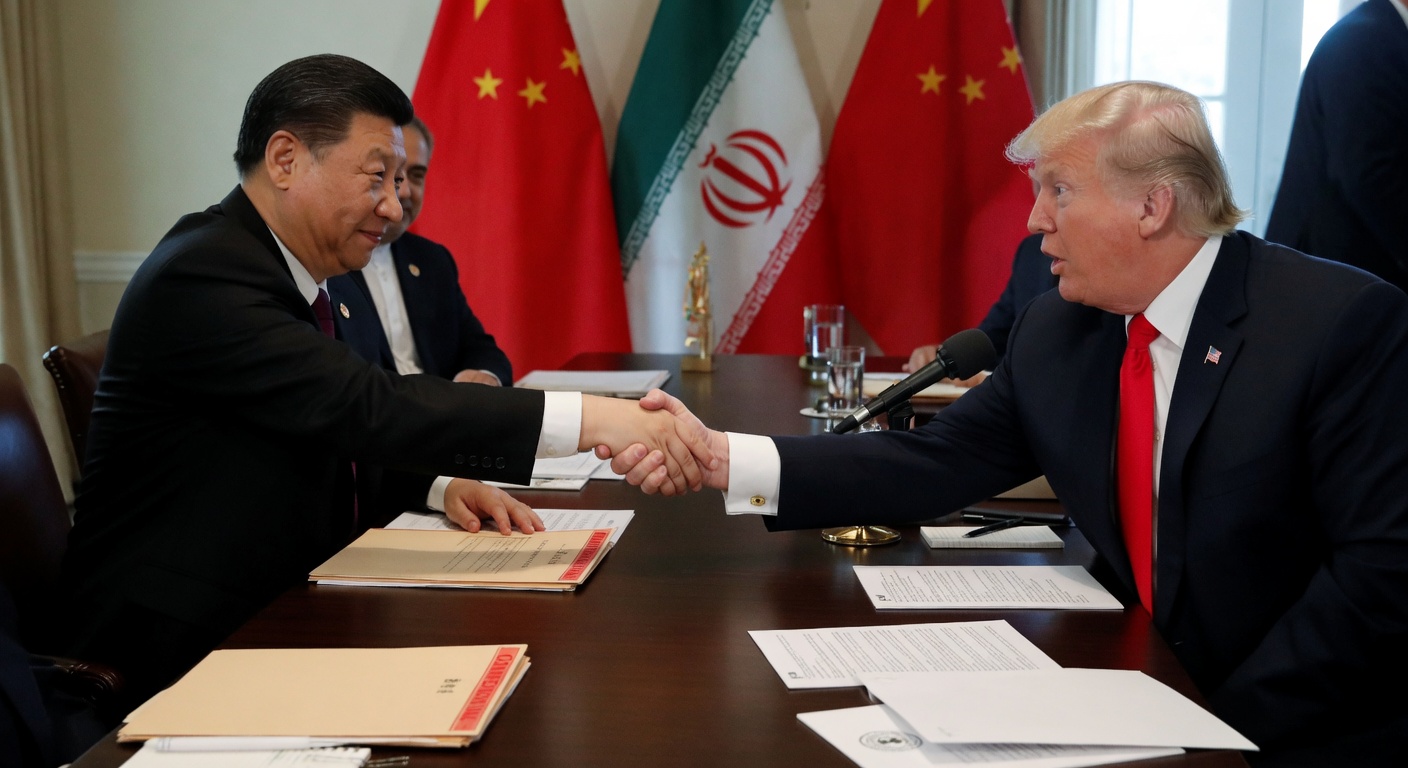
Trump Seeks China's Help to End Iran War During Trade Talks
Trump aims to enlist Xi's support to resolve the Iran conflict and extend trade truce amid tensions over tariffs and dual-use goods.
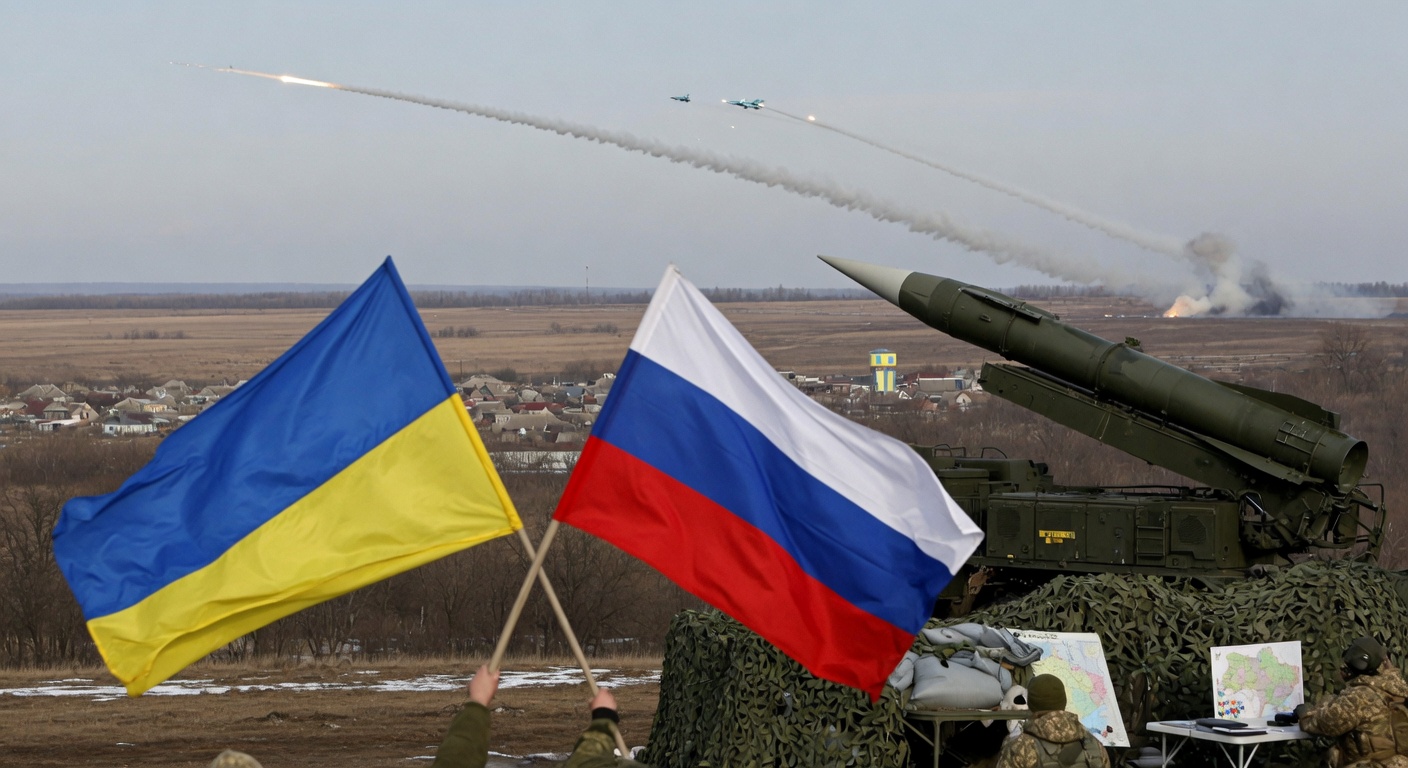
Ukraine Reports Russian Preparation for Oreshnik Hypersonic Strike
Zelenskiy warned of impending Russian Oreshnik missile strike on Ukraine as part of intensified aerial campaign.