Iran Ties Hormuz Reopening to US Concessions Amid Ongoing Standoff
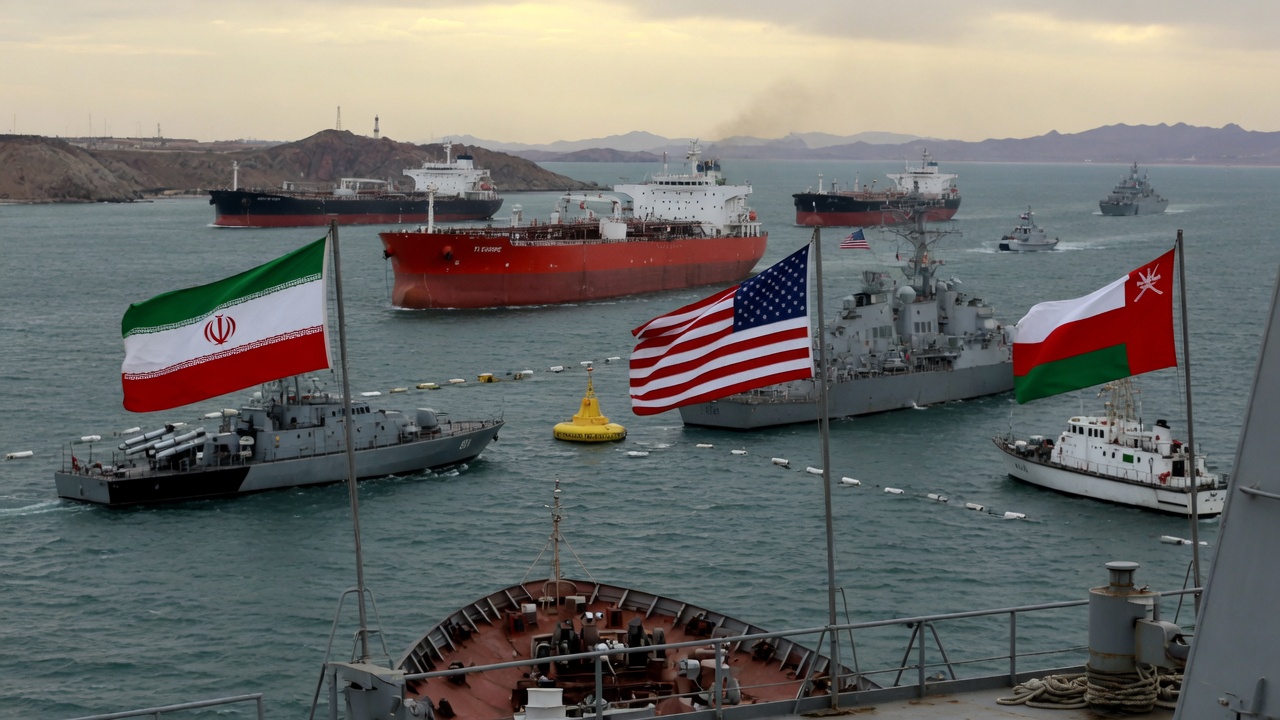
- Iran stated it is close to a shipping lanes deal with Oman but requires US to end sanctions, military threats, blockade, and provide compensation before reopening the Strait of Hormuz, which handles significant global oil flows.
The latest developments in the protracted US-Iran conflict center on the Strait of Hormuz, where Tehran is leveraging its control over the vital chokepoint to extract concessions from Washington.
As of August 9-10, 2026, Iranian officials emphasized that any agreement on new shipping lanes would not immediately restore full access for vessels linked to 'hostile countries,' tying progress explicitly to the lifting of sanctions, removal of the naval blockade, compensation for war damages, and cessation of threats against Iran and its regional allies.
This stance follows months of US and Israeli strikes that prompted Iran to restrict passage, disrupting roughly a fifth of global oil and LNG shipments prior to the blockade.
The uncertainty has kept oil prices elevated, with Brent crude advancing on persistent supply concerns despite hopes for de-escalation. Traders are watching closely for any signs of compromise, as prolonged disruption risks sustaining higher energy costs into the winter heating season and beyond.
Defense contractors stand to benefit from sustained military posturing in the Gulf, with increased demand for naval escorts, missile systems, and air defense assets. Safe-haven assets like gold have seen supportive flows amid the geopolitical fog.
What drives this story is Iran's strategy of asymmetric pressure through energy infrastructure, betting that economic pain in global markets will force US flexibility ahead of domestic political pressures.
For oil markets, the key watchpoint is whether Oman-mediated talks yield a partial reopening or if demands remain non-negotiable, potentially pushing prices toward $100+ if volumes stay constrained.
Defense equities may rally on any escalation signals, while broader equities could face volatility from inflation reacceleration fears. Analysts note that even a tentative deal would leave lasting scars, including higher war-risk premiums in insurance and shipping that could linger for years.
Next, monitor official statements from Tehran, Washington, and Riyadh for breakthroughs or breakdowns, alongside weekly oil inventory data and tanker tracking reports for physical flow changes.
AI insight — what it means
Iran is delaying full reopening of a major oil shipping route until the US meets several demands including ending sanctions. This situation could keep global oil supplies tighter and push energy prices higher for a while.
Unlock the full AI insight
Free account — takes 10 seconds.
- Why this story matters — explained simply
- How it moves prices, sectors and assets
- What traders and analysts are watching next
Share this story
Spread the signal — link, social or copy.
Related topics
Related coverage

Russia Launches Major Missile and Drone Strikes on Ukraine
US-Iran Ceasefire on 'Life Support' Amid Ongoing Gulf Exchanges
Xi and Putin Meet in Beijing, Condemn US Policies
US Expects Billions in Chinese Farm Purchases Post-Trump-Xi Summit
Trump Seeks China's Help to End Iran War During Trade Talks