Iran Threatens Offensive Posture as US-Iran Ceasefire Hopes Fade
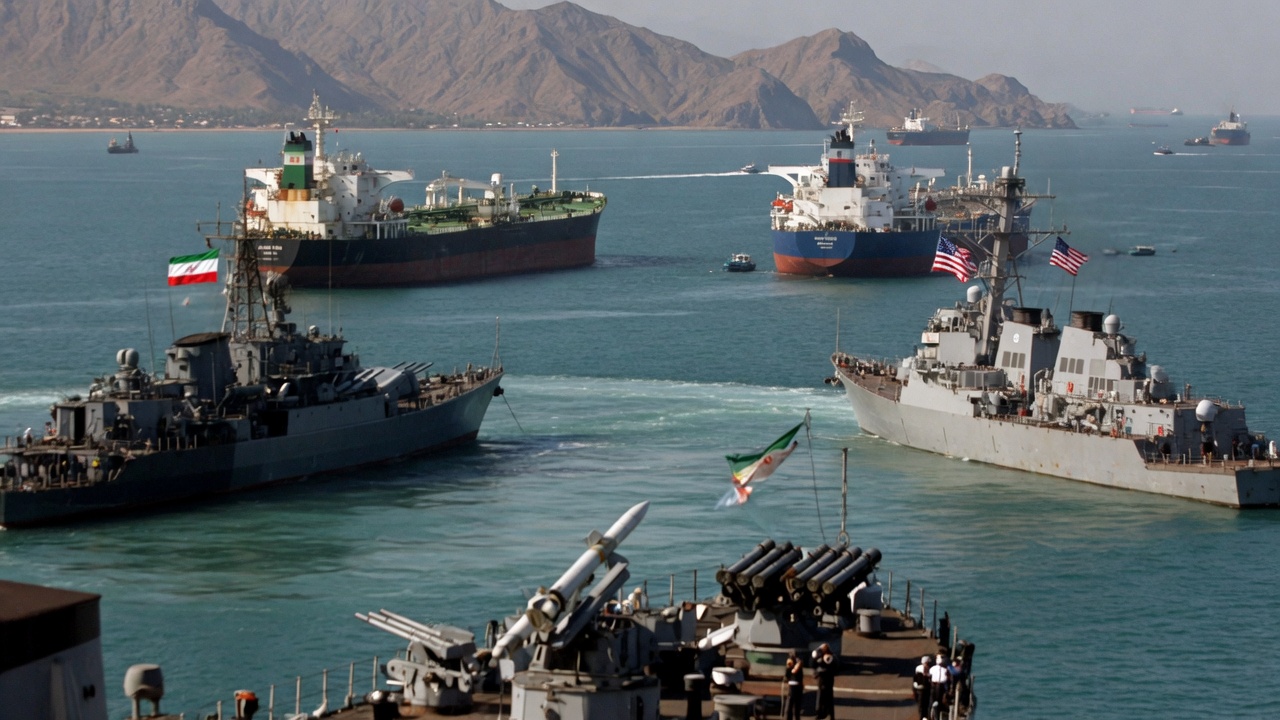
- Iran warned it would shift to a 'fully offensive' military posture if diplomacy fails, while the US ruled out extending a temporary ceasefire.
- Oil prices rose sharply overnight on supply disruption fears tied to the Strait of Hormuz.
The latest developments in the US-Iran conflict represent a significant escalation in rhetoric that is already rippling through energy and defense markets.
On August 17, 2026, Iranian officials signaled readiness for a more aggressive stance, including potential actions affecting the Strait of Hormuz, a critical chokepoint for roughly 20% of global oil trade.
This comes as the 60-day interim agreement deadline expires without progress toward a permanent deal, with Washington explicitly rejecting extensions. President Trump has taken a hard line, including threats against allies like Oman if their talks with Tehran interfere with US objectives.
These statements follow earlier vows of unprecedented economic measures against Iran. The immediate market reaction has been a surge in Brent crude, climbing toward $91 per barrel amid heightened supply risk perceptions.
Defense stocks are positioned to benefit from sustained or increased military spending expectations, as prolonged tensions could necessitate higher readiness in the region.
Safe-haven assets such as gold and US Treasuries may see inflows as investors hedge against broader geopolitical uncertainty and potential inflation from energy shocks.
Traders should monitor any Iranian naval movements or further US sanctions announcements next week, as well as OPEC+ responses and tanker traffic data through the Strait. Historical precedents show that even temporary Hormuz disruptions can add $5-10 to oil prices quickly.
The conflict's persistence also risks secondary effects on global supply chains, particularly for Asian economies heavily reliant on Middle Eastern energy imports.
Analysts note that while short-term volatility favors energy producers and defense contractors, a full escalation could trigger recessionary pressures worldwide.
Next key watchpoints include Treasury Secretary comments on sanctions timing and any Iranian oil export figures that might signal preemptive stockpiling by buyers like China.
AI insight — what it means
Rising tensions mean the US and Iran may not keep a ceasefire, raising the chance that oil shipments through a narrow waterway get blocked. This pushes oil prices higher right away, which can increase fuel and energy costs for regular investors and businesses.
Unlock the full AI insight
Free account — takes 10 seconds.
- Why this story matters — explained simply
- How it moves prices, sectors and assets
- What traders and analysts are watching next
Share this story
Spread the signal — link, social or copy.
Related topics
Related coverage
Russia Launches Major Missile and Drone Strikes on Ukraine
US-Iran Ceasefire on 'Life Support' Amid Ongoing Gulf Exchanges
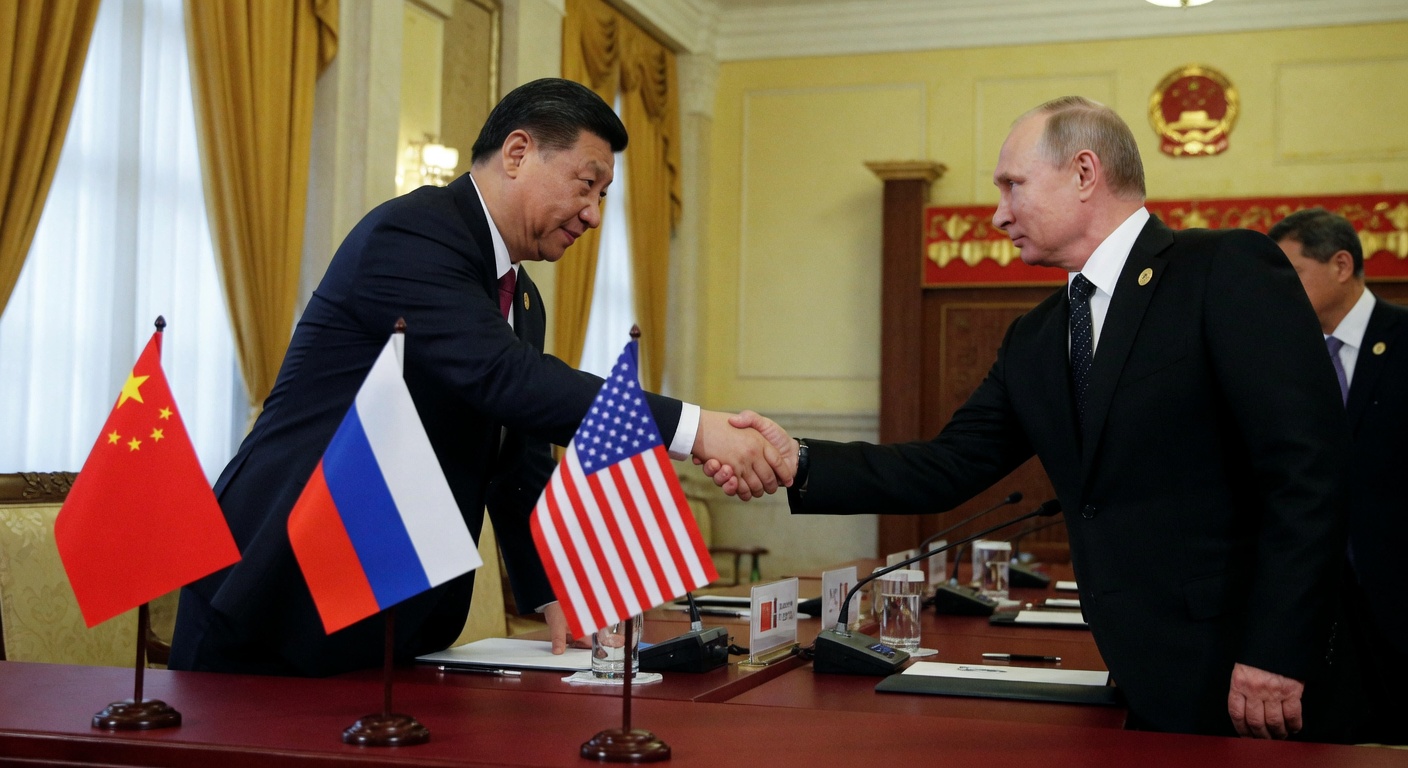
Xi and Putin Meet in Beijing, Condemn US Policies
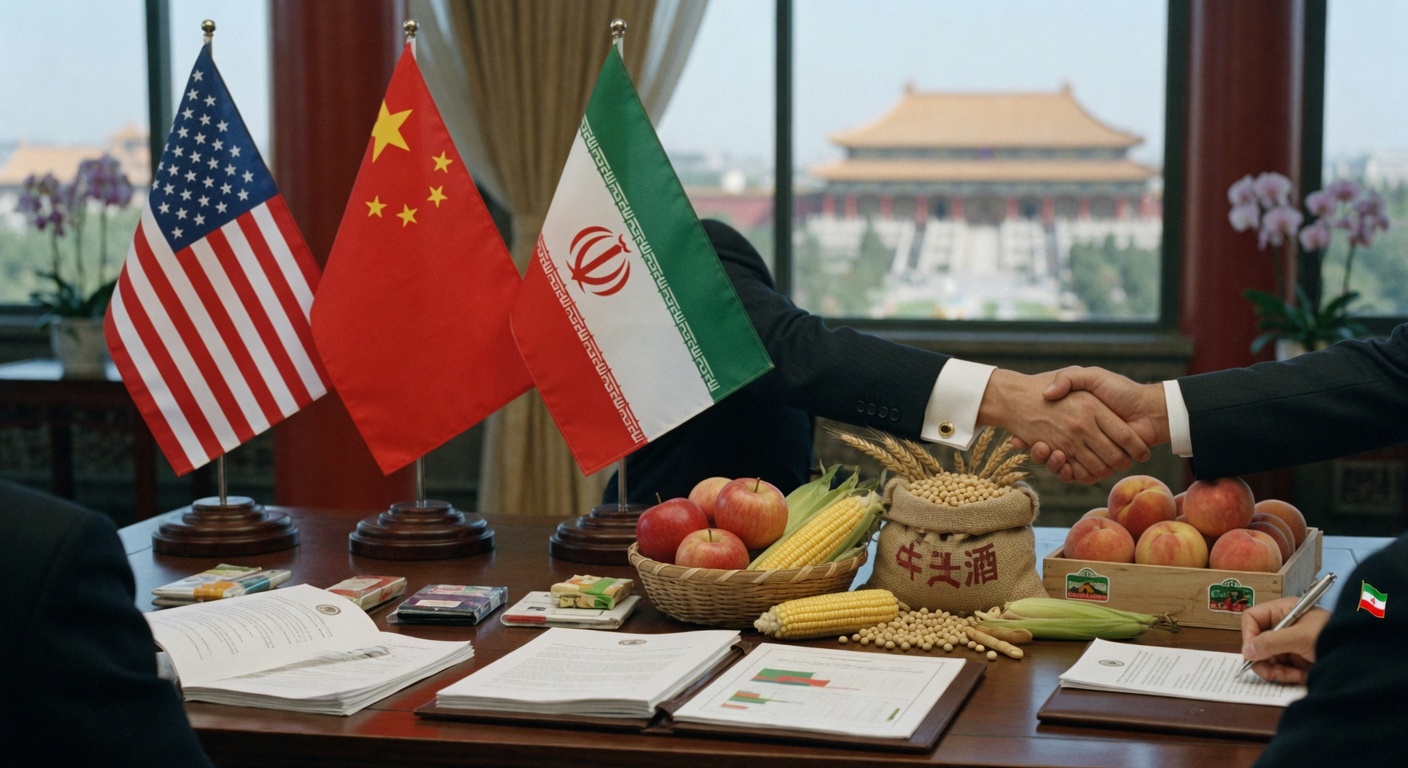
US Expects Billions in Chinese Farm Purchases Post-Trump-Xi Summit
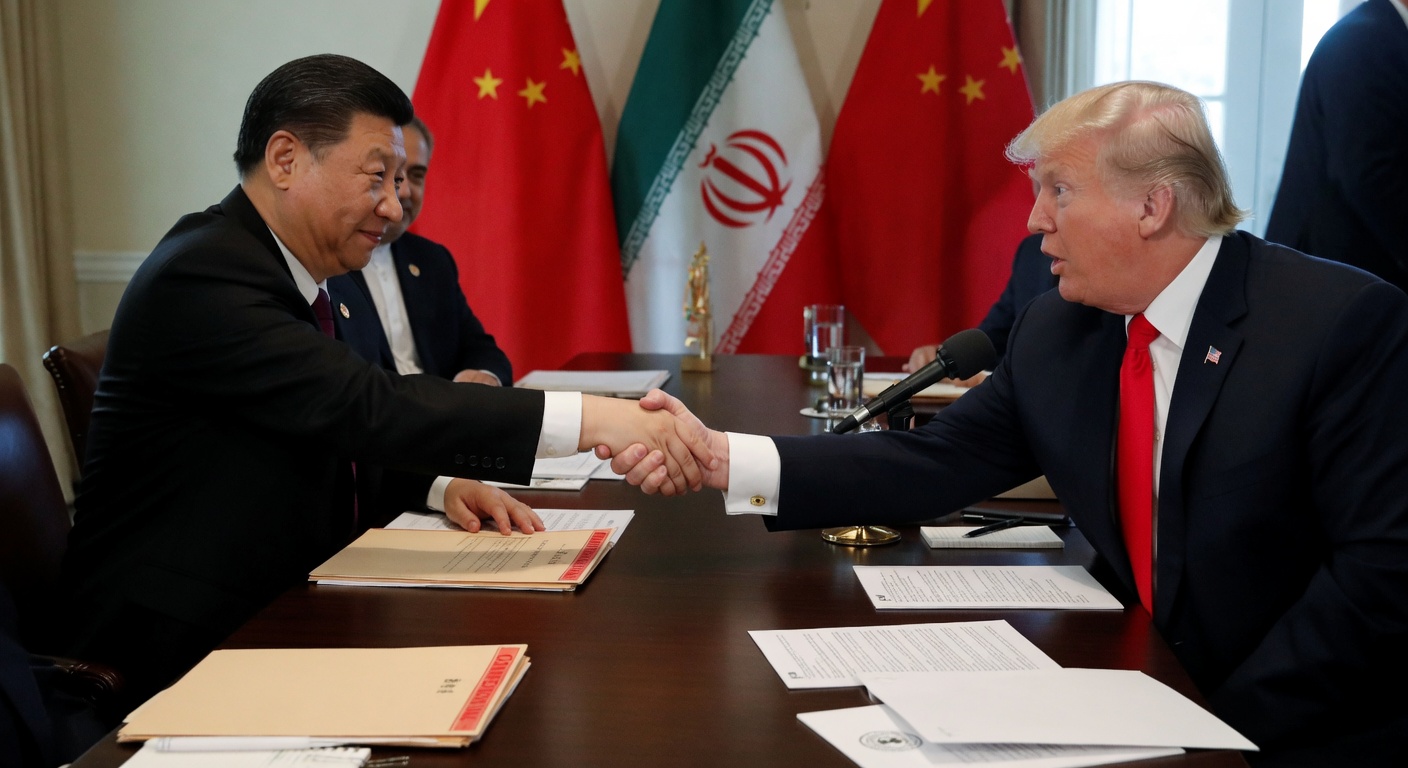
Trump Seeks China's Help to End Iran War During Trade Talks