Iran-Oman Talks on Temporary Hormuz Corridor Trigger Oil Price Slide
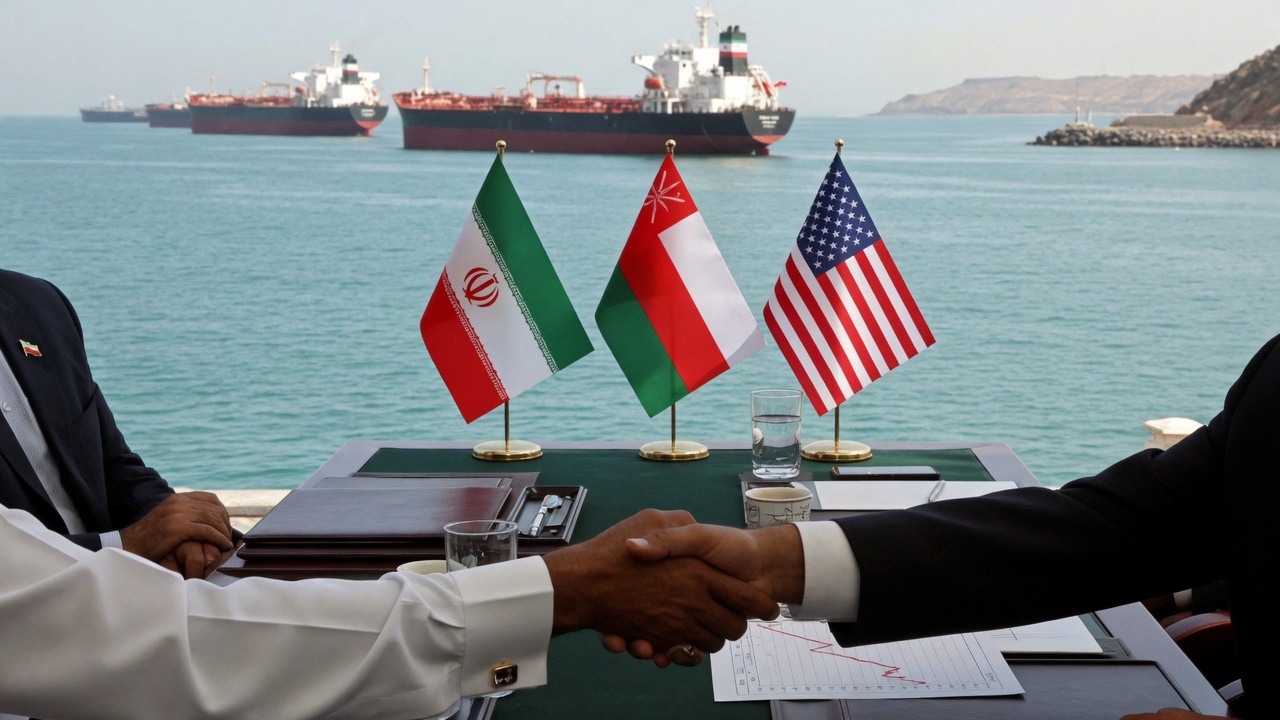
- Iran and Oman discussed managing the Strait of Hormuz amid ongoing US economic pressure from President Trump, leading to a 2% drop in oil prices on hopes of eased transit restrictions.
- The talks come as part of efforts to navigate the five-month impasse in the Iran-US conflict.
The recent discussions between Iran and Oman regarding a temporary corridor through the Strait of Hormuz represent a potential de-escalation in one of the world's most critical energy chokepoints.
As the US under President Trump ramps up secondary sanctions and economic measures targeting Iran's trade partners, Tehran appears to be exploring diplomatic off-ramps to mitigate further isolation.
This development directly follows months of heightened tensions, including US and Israeli strikes on Iranian targets earlier in 2026, which disrupted regional stability and energy flows.
Markets reacted swiftly, with oil prices falling approximately 2% as traders priced in reduced risks of full blockade or closure of the strait, through which a significant portion of global oil supply transits.
This movement underscores how geopolitical signaling can rapidly influence commodity pricing, particularly in an environment where supply chain vulnerabilities remain acute.
Defense stocks may see mixed reactions, with reduced immediate conflict escalation potentially pressuring shares of companies like Lockheed Martin or Raytheon that benefit from sustained Middle East tensions, while safe-haven assets such as gold or US Treasuries could face selling pressure if risk appetite improves.
Traders should closely monitor follow-up statements from the Trump administration on sanctions enforcement and any updates from Oman on corridor implementation, as well as weekly oil inventory data and OPEC+ production decisions.
Broader implications include potential relief for global inflation if energy costs stabilize, but renewed threats from Iran on tanker traffic could quickly reverse gains.
The situation highlights the interplay between economic warfare and physical energy security, where even tentative talks can shift billions in market value overnight.
Analysts note that any formal agreement would likely require concessions on both sides, including US flexibility on secondary sanctions targeting Chinese and Indian buyers of Iranian crude.
In the near term, volatility in Brent and WTI futures is expected to remain elevated ahead of key US Treasury announcements on expanded measures. Portfolio managers are advised to watch for correlated moves in defense ETFs and currency pairs involving the Iranian rial proxies or Gulf currencies.
AI insight — what it means
Iran and Oman talking about keeping the Strait of Hormuz open has lowered worries about oil supply problems, so oil prices fell 2 percent. For everyday investors this means less immediate pressure on fuel costs and related stocks.
Unlock the full AI insight
Free account — takes 10 seconds.
- Why this story matters — explained simply
- How it moves prices, sectors and assets
- What traders and analysts are watching next
Share this story
Spread the signal — link, social or copy.
Related topics
Related coverage
Russia Launches Major Missile and Drone Strikes on Ukraine
US-Iran Ceasefire on 'Life Support' Amid Ongoing Gulf Exchanges
Xi and Putin Meet in Beijing, Condemn US Policies
US Expects Billions in Chinese Farm Purchases Post-Trump-Xi Summit
Trump Seeks China's Help to End Iran War During Trade Talks