MAEXO
geopoliticsbullishWTIPublished Aug 7, 2026, 2:00 PM

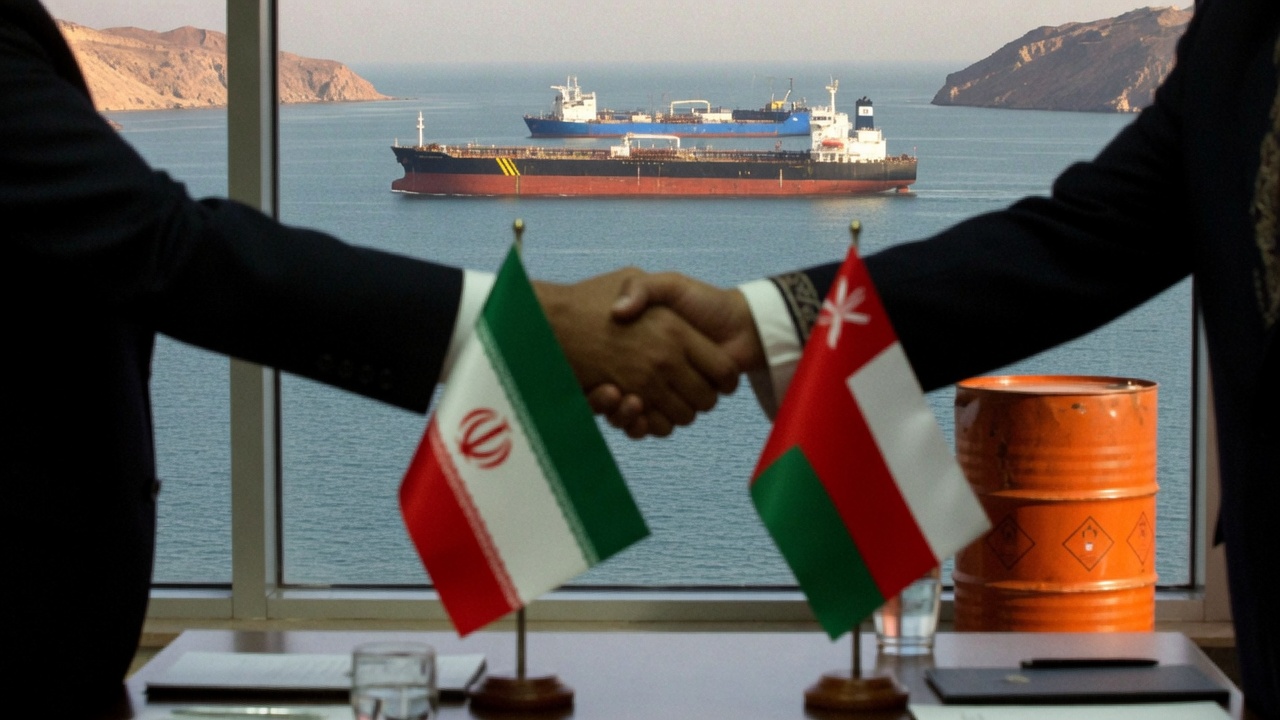
Iran-Oman Hormuz Talks Drive Oil Volatility Amid Dwindling Shipping
Iran-Oman Hormuz Talks Drive Oil Volatility Amid Dwindling Shipping
Iran and Oman are in talks to potentially reopen the Strait of Hormuz with possible tolls, while vessel traffic has dropped sharply this week; oil prices swing as markets assess risks of prolonged disruptions.
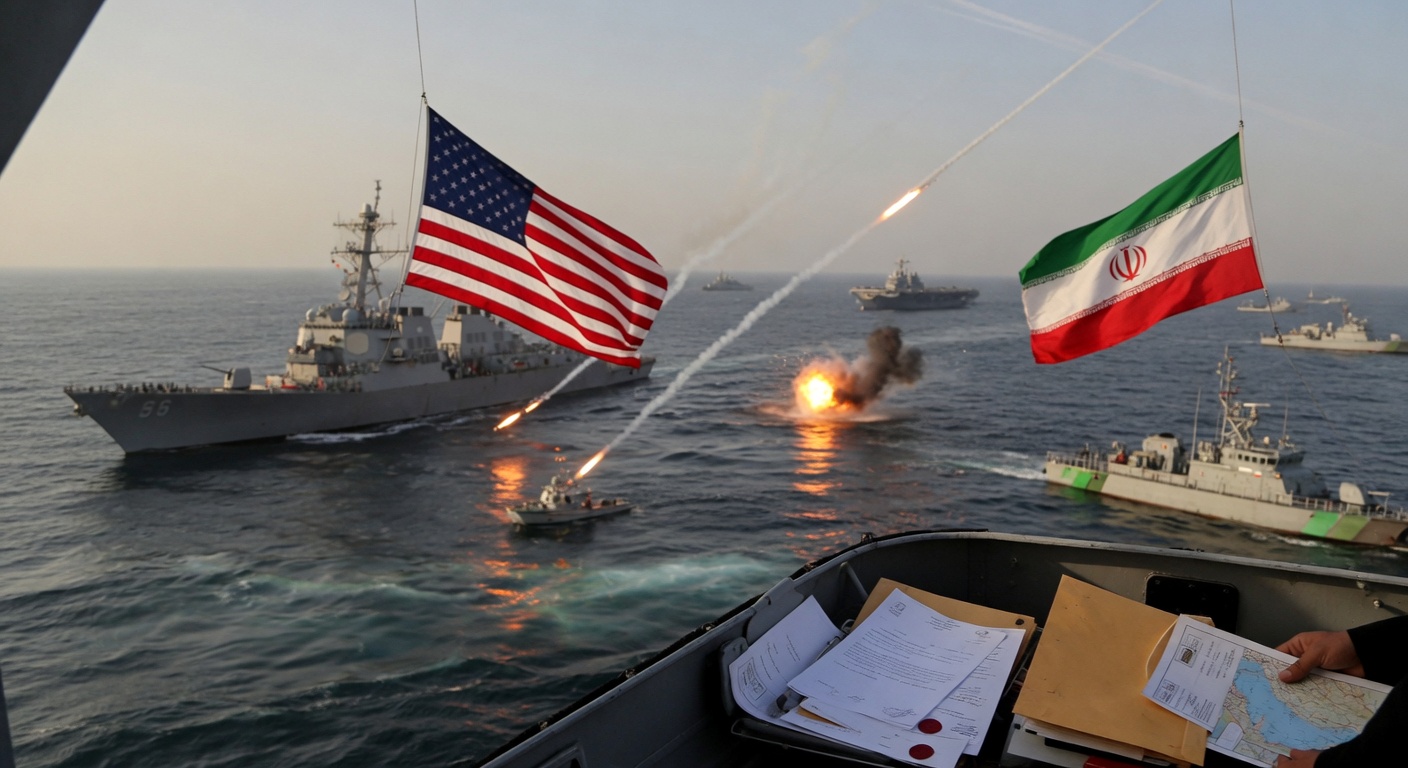
The Strait of Hormuz remains the critical chokepoint for roughly 20% of global oil trade, and recent developments have traders on edge. Shipping data shows traffic through the waterway fell to just 33 vessels from Monday to Thursday, down from 50 the prior week, reflecting heightened caution amid the ongoing U.S.-Iran conflict. Analysts note that even tentative progress in Iran-Oman discussions could ease some immediate supply fears, but skepticism runs high because any deal granting Iran effective control or toll authority would likely face U.S. rejection and insurance hurdles for shippers. This uncertainty has kept Brent crude oscillating, with recent sessions showing modest declines as hopes for de-escalation compete against persistent missile threats and Houthi activity in adjacent waters. Defense stocks and energy equities have seen selective buying, while safe-haven assets like gold and the yen have firmed on broader risk-off sentiment. The conflict's five-month duration has already pushed benchmark oil up significantly from earlier lows, underscoring how any closure or restriction could quickly test $90-$100 levels again. Traders are now watching weekly tanker data, diplomatic statements from Oman, and any U.S. military posture adjustments for signals on whether traffic normalizes or tightens further. Portfolio managers recommend maintaining hedges via oil futures and monitoring VIX spikes tied to Middle East headlines, as prolonged stalemate risks embedding higher energy costs into inflation expectations and pressuring equities outside the energy sector. The lasting impact could accelerate diversification away from fossil fuels for import-dependent nations, but near-term the focus stays on physical supply flows and geopolitical signaling from Washington and Tehran.

Share this story

Spread the signal — link, social or copy.

Related topics

Related coverage
HIGH RISK WARNING: Trading Forex and leveraged derivative products (CFDs) or crypto involves significant risk and is not suitable for all investors. Leverage magnifies both gains and losses. You do not own or have rights to the underlying assets. You may lose all your invested capital; never speculate with funds you cannot afford to lose. Information on this site is general and does not constitute personalized financial advice. Past performance does not guarantee future results. Please ensure you fully understand the risks and review our legal documents section.