Indian Rupee Under Pressure from Oil Spike, RBI Steps In to Intervene
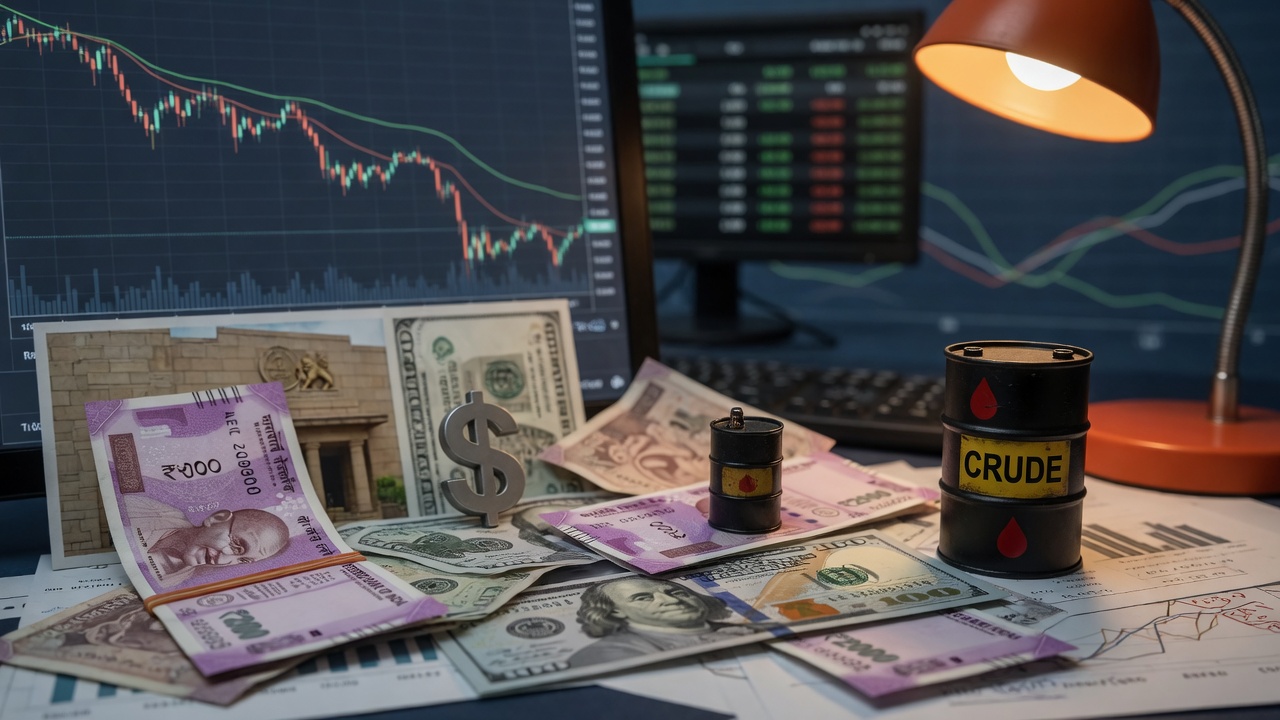
- The Indian rupee faced downward pressure on August 19, 2026, due to persistently high oil prices amid US-Iran uncertainties, prompting the Reserve Bank of India to likely intervene in forex markets to support the currency.
Geopolitical tensions in the Middle East have driven oil prices higher, creating headwinds for oil-importing nations like India and weighing on the rupee's value against the US dollar.
On August 19, traders reported signs of RBI intervention to defend the currency, consistent with its history of managing volatility during external shocks.
This comes as broader emerging market currencies show resilience with record inflows, yet local factors such as India's current account deficit and import bill make the rupee particularly sensitive to energy costs.
The driving forces include not only the U.S.-Iran conflict sustaining elevated crude prices above key thresholds but also a global risk-off mood that can exacerbate currency swings.
Despite these pressures, emerging markets overall have attracted substantial foreign capital—over $214 billion into EM debt year-to-date—highlighting diversification trends away from US assets.
India's strong fundamentals, including robust reserves, provide the RBI with ammunition for defense without depleting resources excessively. This development is highly relevant for FX markets as it underscores the divergence between major and emerging currencies.
Sectors impacted include Indian importers and manufacturers reliant on dollar-denominated inputs, as well as global investors in EM local-currency debt who may see volatility in INR pairs. Oil and energy companies globally could see indirect effects through currency hedging costs.
Traders should monitor RBI statements or reserve data for confirmation of intervention scale, alongside oil price movements and any updates on US-Iran diplomacy.
Watch INR/USD levels near recent supports, and consider correlated moves in other EM currencies like the Brazilian real or South African rand. Next catalysts include India's inflation data and global risk sentiment shifts that could either amplify or ease pressures on the rupee.
AI insight — what it means
High oil prices are raising costs for India which imports a lot of oil, pushing the rupee lower in value. The central bank is stepping into currency markets to try to limit how much the rupee falls.
Unlock the full AI insight
Free account — takes 10 seconds.
- Why this story matters — explained simply
- How it moves prices, sectors and assets
- What traders and analysts are watching next
Share this story
Spread the signal — link, social or copy.
Related topics
Related coverage
Iran War Opens 'Golden Window' for China's Renminbi

Pound Softens as UK Borrowing Jumps and Consumers Cut Spending

Dollar near six-week high amid US-Iran talks uncertainty

Fed's Waller Signals Readiness to Remove Easing Bias
Pound Softens as UK Retail Sales Plunge and Public Finances Worsen