India Eases Rupee Export Payment Rules to Boost Global Trade Settlement in INR
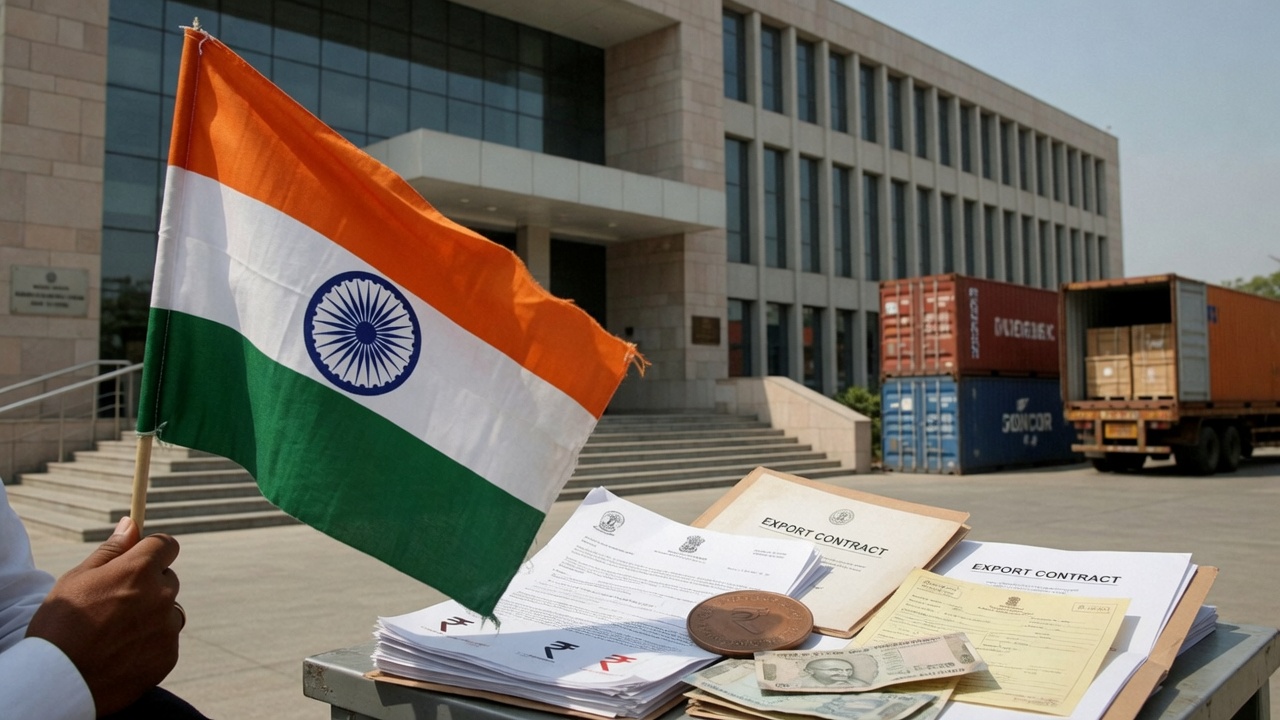
- On August 20, 2026, India amended its Foreign Trade Policy to allow export contracts and payments in rupees on par with foreign currencies for trade-policy benefits, targeting wider use of the INR in global commerce outside the Asian Clearing Union framework.
The policy change removes a longstanding regulatory friction that had required most export proceeds to be realized in convertible currencies even when invoiced in rupees.
By equating eligible rupee receipts with foreign-currency earnings for duty drawbacks and other incentives, New Delhi is accelerating its multi-year campaign to internationalize the rupee and reduce dependence on the US dollar in bilateral trade.
The amendment applies immediately to non-ACU countries and aligns with the Reserve Bank of India’s 2023 guidelines permitting broader cross-border rupee usage.
While the measure is expected to facilitate commerce with nations facing dollar liquidity constraints, experts caution that commercial viability will hinge on foreign banks’ willingness to hold and clear rupees, availability of hedging instruments, and the negotiation of country-specific settlement mechanisms.
The story matters for emerging-market FX because successful rupee invoicing could gradually erode dollar dominance in South Asian and African trade corridors, creating modest but persistent demand for INR in offshore markets.
Affected assets include USD/INR forward points, which may tighten if rupee settlement volumes rise, and carry trades involving high-yielding Indian debt. Exporters in sectors such as pharmaceuticals, textiles, and engineering stand to gain from reduced currency conversion costs.
Traders should watch RBI intervention patterns in the spot USD/INR market and any announcements of new bilateral rupee arrangements with key partners; a measurable uptick in rupee-denominated trade invoices over the next quarter would signal the policy’s traction and could support INR on a trade-weighted basis relative to other EM currencies.
AI insight — what it means
India now lets exporters sign deals and get paid in rupees just like in dollars or euros, aiming to grow INR use worldwide. A regular investor might see this as a step that could lift demand for the rupee over time.
Unlock the full AI insight
Free account — takes 10 seconds.
- Why this story matters — explained simply
- How it moves prices, sectors and assets
- What traders and analysts are watching next
Share this story
Spread the signal — link, social or copy.
Related topics
Related coverage
Iran War Opens 'Golden Window' for China's Renminbi

Pound Softens as UK Borrowing Jumps and Consumers Cut Spending

Dollar near six-week high amid US-Iran talks uncertainty

Fed's Waller Signals Readiness to Remove Easing Bias
Pound Softens as UK Retail Sales Plunge and Public Finances Worsen