Hot Summer Weather Weighs on Europe's Economic Momentum
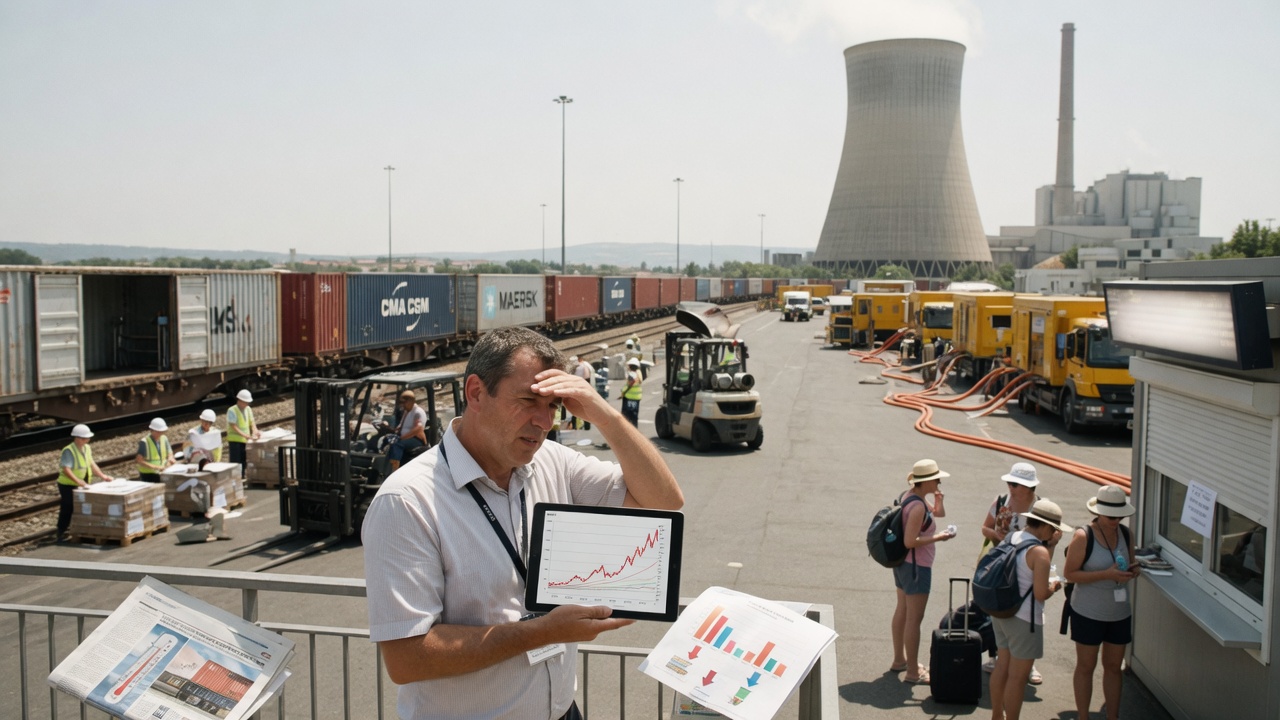
- Prolonged heatwaves across Europe in mid-August 2026 are disrupting supply chains, tourism patterns, and energy demand, adding downside risks to already soft GDP growth.
Extreme summer temperatures across the euro area are emerging as an underappreciated drag on economic activity, compounding structural challenges and influencing ECB policy considerations.
Heat-related disruptions have hit manufacturing output, agricultural yields, and logistics, while shifting consumer behavior away from traditional spending patterns.
This story is significant because Europe’s growth has already been subdued, with recent data pointing to sub-1% annualized GDP expansion in several member states; additional weather-driven volatility could delay any tentative recovery and keep inflation dynamics mixed due to energy price fluctuations.
Primary drivers include climate variability affecting hydro and nuclear power generation alongside higher cooling-related electricity demand, which interacts with ongoing geopolitical energy risks.
Affected sectors span utilities, consumer staples, tourism-dependent equities, and industrial cyclicals, with potential underperformance in German and French markets. Bond yields may see modest upward pressure from inflation hedging, while the euro could weaken on growth concerns.
Market participants should monitor high-frequency indicators such as PMI surveys, energy consumption data, and ECB commentary on climate risks in their assessments. The episode also highlights longer-term implications for European competitiveness and fiscal spending on adaptation measures.
Next catalysts include Q3 GDP flash estimates and any updates to ECB staff projections, which could incorporate these transitory but recurrent factors into baseline forecasts.
AI insight — what it means
Unusually hot weather in Europe is slowing business activity and travel, which adds extra pressure to an economy already growing slowly. Everyday investors may see this reflected in weaker European stocks or a softer euro as growth concerns rise.
Unlock the full AI insight
Free account — takes 10 seconds.
- Why this story matters — explained simply
- How it moves prices, sectors and assets
- What traders and analysts are watching next
Share this story
Spread the signal — link, social or copy.
Related topics
Related coverage
Fed Chair Warsh Makes First Hires Including 'Project 2025' Author
Fed Officials Signal Readiness to Hike Rates on Inflation Risks

US April PCE Inflation Surges to 3.8% YoY, Fastest in Three Years
ECB Says Consumer Price Expectations Ease But Stay Elevated

US April Core PCE Inflation Hits 3.3% Annual Rate