Global Central Banks Signal Caution Amid Mixed Inflation Signals
- Major central banks including the Fed, RBA, and others opted for holds or measured tones recently, reflecting divergent responses to persistent but easing price pressures and growth outlooks.
- This divergence influences cross-border capital flows and currency markets.
Central banks worldwide are adopting a wait-and-see stance as inflation data shows moderation in key economies while growth forecasts adjust downward in places like Chile.
The Reserve Bank of Australia held rates steady citing still-high inflation, while the Fed's recent data has lowered September hike odds, and the Bank of Japan maintained its normalized path amid yen interventions.
These decisions highlight policy divergence that impacts forex pairs, with the yen sensitive to BOJ hawkishness and the dollar buoyed or pressured by Fed signals. For fixed income and equity investors, this environment favors relative value trades across regions rather than broad directional bets.
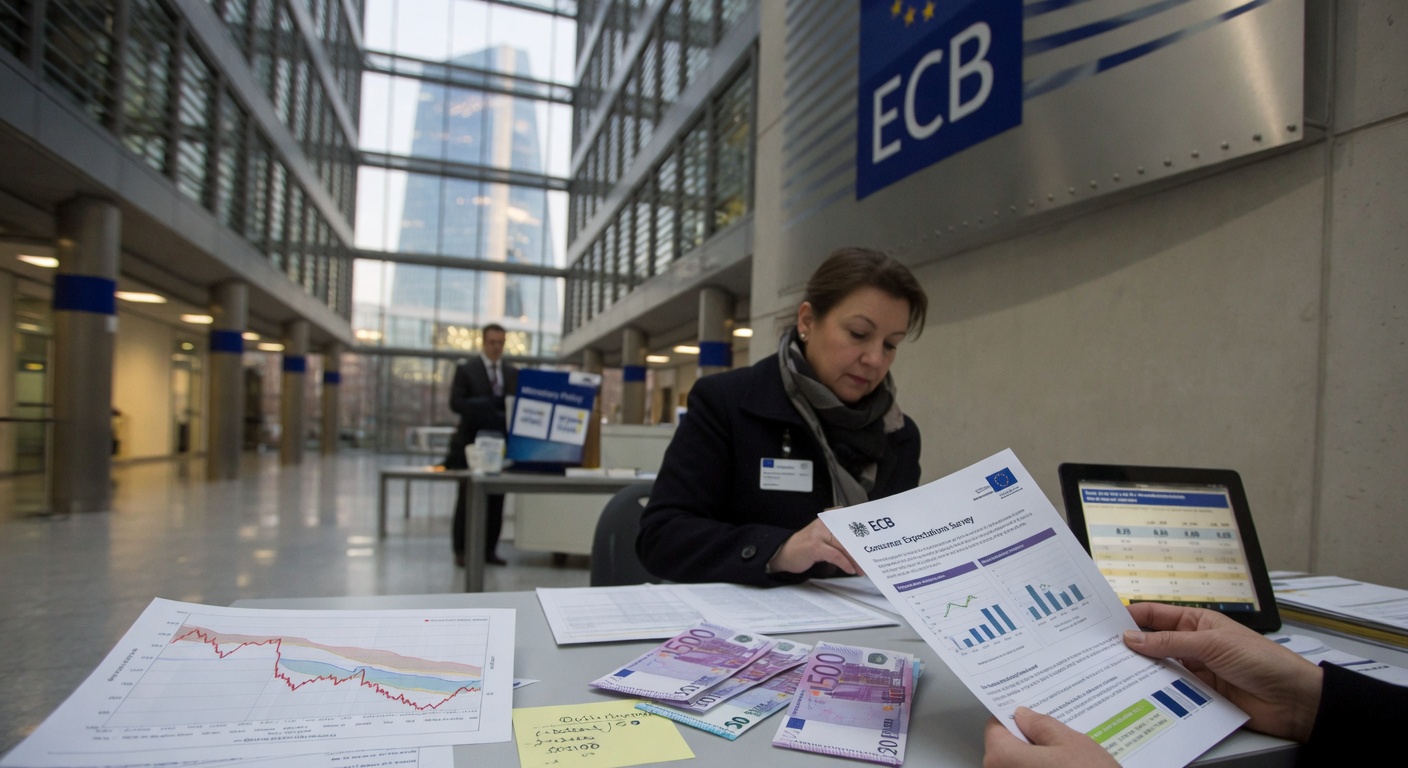
Emerging markets may experience volatility from capital flow shifts if US rates stay higher for longer than anticipated. Traders should watch upcoming meetings from the ECB and BOE for alignment or further splits, alongside commodity price movements that could alter inflation trajectories globally.
The setup underscores how supply shocks and geopolitical risks complicate the return to target inflation, potentially extending higher-rate regimes and affecting corporate borrowing and investment cycles.
Analysis of sector impacts points to strength in defensive areas like utilities amid uncertainty, with commodity exporters benefiting from price support but importers facing margin pressures.
Forward-looking indicators include labor market metrics and fiscal developments that could tip the balance toward more coordinated or divergent policy actions.
AI insight — what it means
Central banks are choosing to keep interest rates unchanged for now because inflation is still present but slowing down. This mixed approach can shift how money moves across countries and change currency values.
Unlock the full AI insight
Free account — takes 10 seconds.
- Why this story matters — explained simply
- How it moves prices, sectors and assets
- What traders and analysts are watching next
Share this story
Spread the signal — link, social or copy.
Related topics
Related coverage
Fed Chair Warsh Makes First Hires Including 'Project 2025' Author
Fed Officials Signal Readiness to Hike Rates on Inflation Risks

US April PCE Inflation Surges to 3.8% YoY, Fastest in Three Years
ECB Says Consumer Price Expectations Ease But Stay Elevated
US April Core PCE Inflation Hits 3.3% Annual Rate