Fed Officials at Jackson Hole Signal Hawkish Stance on Persistent Inflation
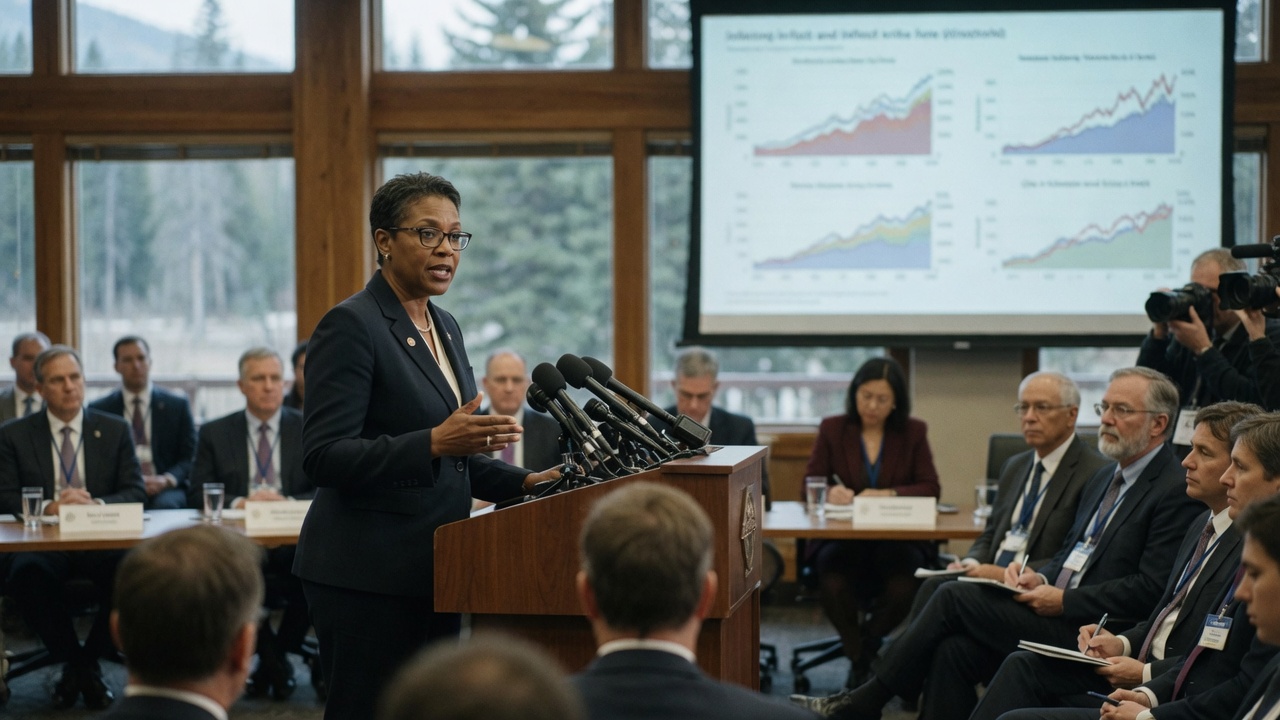
- Cleveland Fed's Hammack and others emphasized the need for immediate rate hikes, citing sticky inflation and insufficient policy restraint as the Jackson Hole symposium begins.
On August 27, multiple regional Fed presidents voiced concerns over inflation during the start of the Jackson Hole economic symposium.
Cleveland Fed President Beth Hammack reiterated her call for higher rates, noting recent data shows the central bank remains too far from target and that 'now is the time to act.' Kansas City Fed's Schmid highlighted that current policy lacks needed restraint, while Chicago's Goolsbee flagged risks of further inflation rises.
These comments follow the sticky PCE print and come as Chair Warsh prepares to speak, amid a divided FOMC where some favored hikes in July.
The discussions reflect broader worries that inflation, fueled by geopolitical factors, may not recede without additional tightening despite earlier cooling trends.
This development is critical as it shapes market expectations for the September FOMC meeting and beyond, potentially leading to higher Treasury yields and a stronger dollar.
Affected assets include rate-sensitive sectors like real estate and tech, while banks could benefit from wider net interest margins. Traders should monitor Warsh's remarks closely for signals on the dot plot or forward guidance, as well as any hints on balance sheet policy.
The hawkish tone risks amplifying volatility in bonds and equities if it signals a policy pivot, but it also aims to anchor long-term inflation expectations.
In a higher-rate scenario, defensive equities and commodities like gold may see flows, while the overall macro backdrop points to slower global growth if major central banks synchronize tightening.
AI insight — what it means
This news means central bank leaders are pushing for quicker interest rate increases to control rising prices that have stayed high. Everyday investors may see higher borrowing costs and more pressure on stock prices as a result.
Unlock the full AI insight
Free account — takes 10 seconds.
- Why this story matters — explained simply
- How it moves prices, sectors and assets
- What traders and analysts are watching next
Share this story
Spread the signal — link, social or copy.
Related topics
Related coverage
Fed Chair Warsh Makes First Hires Including 'Project 2025' Author
Fed Officials Signal Readiness to Hike Rates on Inflation Risks
US April PCE Inflation Surges to 3.8% YoY, Fastest in Three Years
ECB Says Consumer Price Expectations Ease But Stay Elevated
US April Core PCE Inflation Hits 3.3% Annual Rate