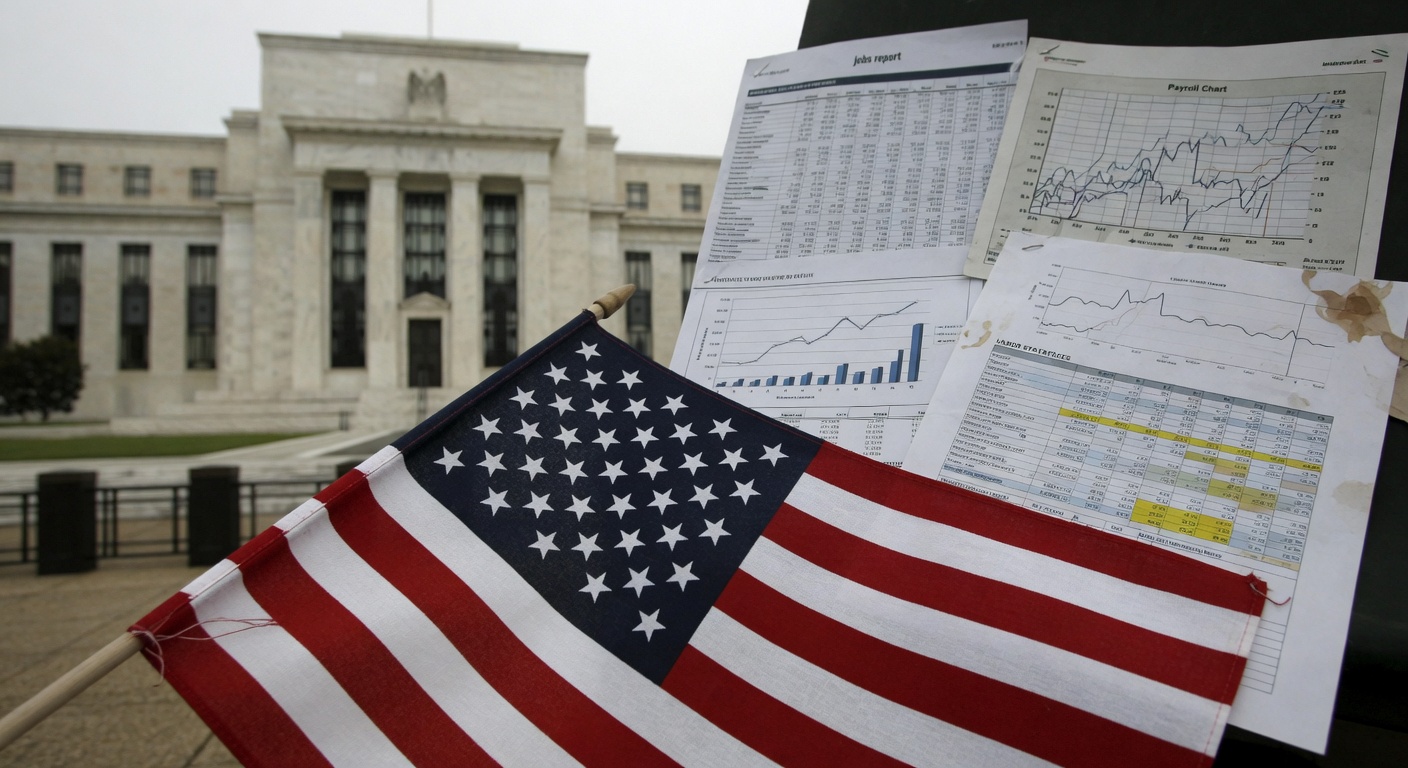
Fed July Minutes Reveal Heightened Inflation Concerns and Potential for Rate Hikes
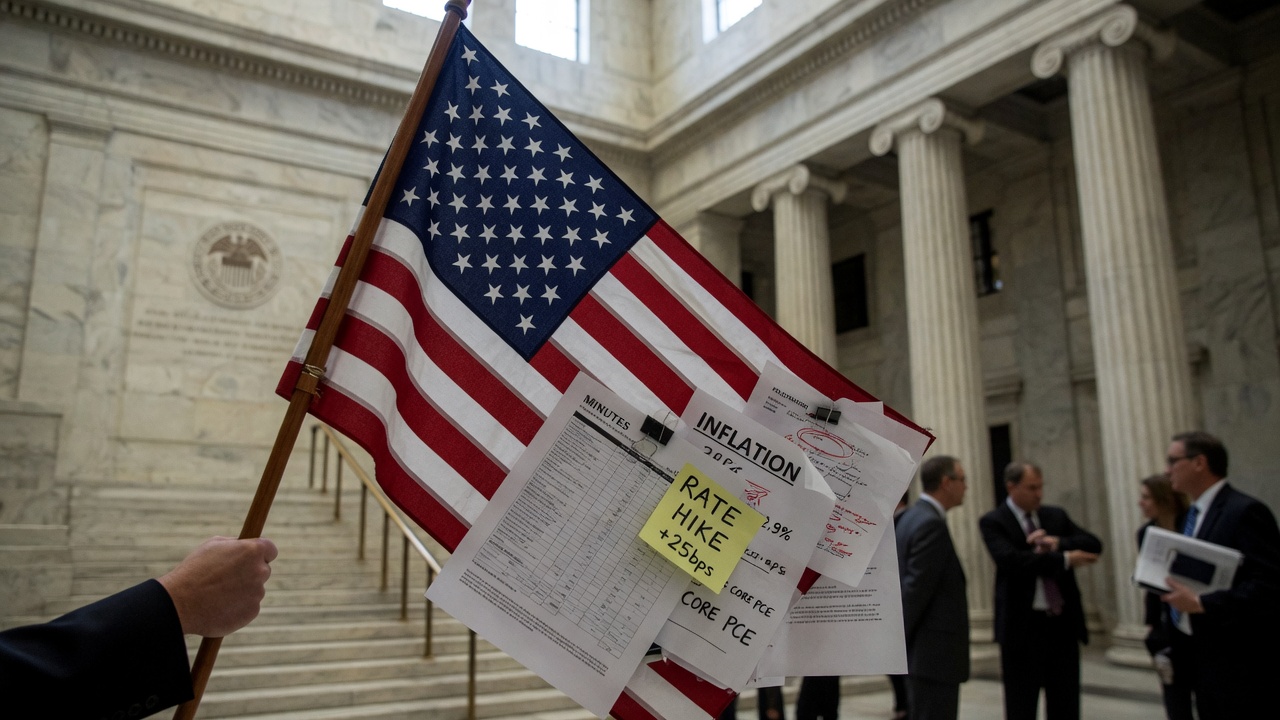
- Minutes from the Federal Reserve's July 28-29 meeting, released August 19, showed policymakers' inflation worries intensified, with 'many' indicating a rate hike would be needed if inflation fails to decline toward the 2% target.
- The Fed held rates steady in the 3.50%-3.75% range, with three dissents favoring a hike.
The release of the Federal Reserve's July meeting minutes on August 19 underscored a notable shift in tone among policymakers, highlighting deepening concerns over persistent inflation despite recent data showing moderation.
With the benchmark rate held unchanged at 3.50%-3.75%, the minutes revealed that 'several' officials were prepared to support a quarter-point increase, and 'many' explicitly stated that further tightening would be required absent clearer progress on disinflation.
This hawkish tilt comes amid a backdrop of resilient economic activity and sticky price pressures, particularly in services, even as goods prices have cooled.
The dissenters' push for immediate action signals internal divisions within the FOMC under Chair Kevin Warsh, reflecting unease that current policy may not be sufficiently restrictive.
This development matters profoundly because it recalibrates market expectations for the September FOMC meeting, where the probability of a rate hike has risen while cuts are now seen as less likely in the near term.
Traders must watch upcoming inflation prints, labor market data, and any comments from Fed officials for clues on whether the central bank will follow through on its conditional hawkishness. Assets most directly affected include U.S.
Treasuries, where yields are likely to face upward pressure, pressuring bond prices lower; equities in rate-sensitive sectors like technology and real estate could see volatility or declines as higher borrowing costs loom; and the U.S. dollar may strengthen against peers.
Currency and commodity markets, including gold which surged ahead of the release, will also react to any perceived delay in easing.
Looking ahead, the interplay between fiscal policy—such as Treasury Secretary Bessent's recent moves to manage yields through buybacks—and the Fed's independence will be critical, as political pressure from figures like President Trump adds another layer of complexity.
Investors should monitor the next Beige Book, PCE inflation figures, and global central bank actions for signals that could either reinforce or ease these tightening risks, positioning portfolios defensively against potential volatility in fixed income and growth stocks.
AI insight — what it means
The Federal Reserve is more worried about rising prices than before and may raise interest rates if they do not come down soon. This could make loans costlier and slow economic growth, which often pushes down stock prices and other investments.
Unlock the full AI insight
Free account — takes 10 seconds.
- Why this story matters — explained simply
- How it moves prices, sectors and assets
- What traders and analysts are watching next
Share this story
Spread the signal — link, social or copy.
Related topics
Related coverage
Fed Chair Warsh Makes First Hires Including 'Project 2025' Author
Fed Officials Signal Readiness to Hike Rates on Inflation Risks
US April PCE Inflation Surges to 3.8% YoY, Fastest in Three Years
ECB Says Consumer Price Expectations Ease But Stay Elevated
US April Core PCE Inflation Hits 3.3% Annual Rate