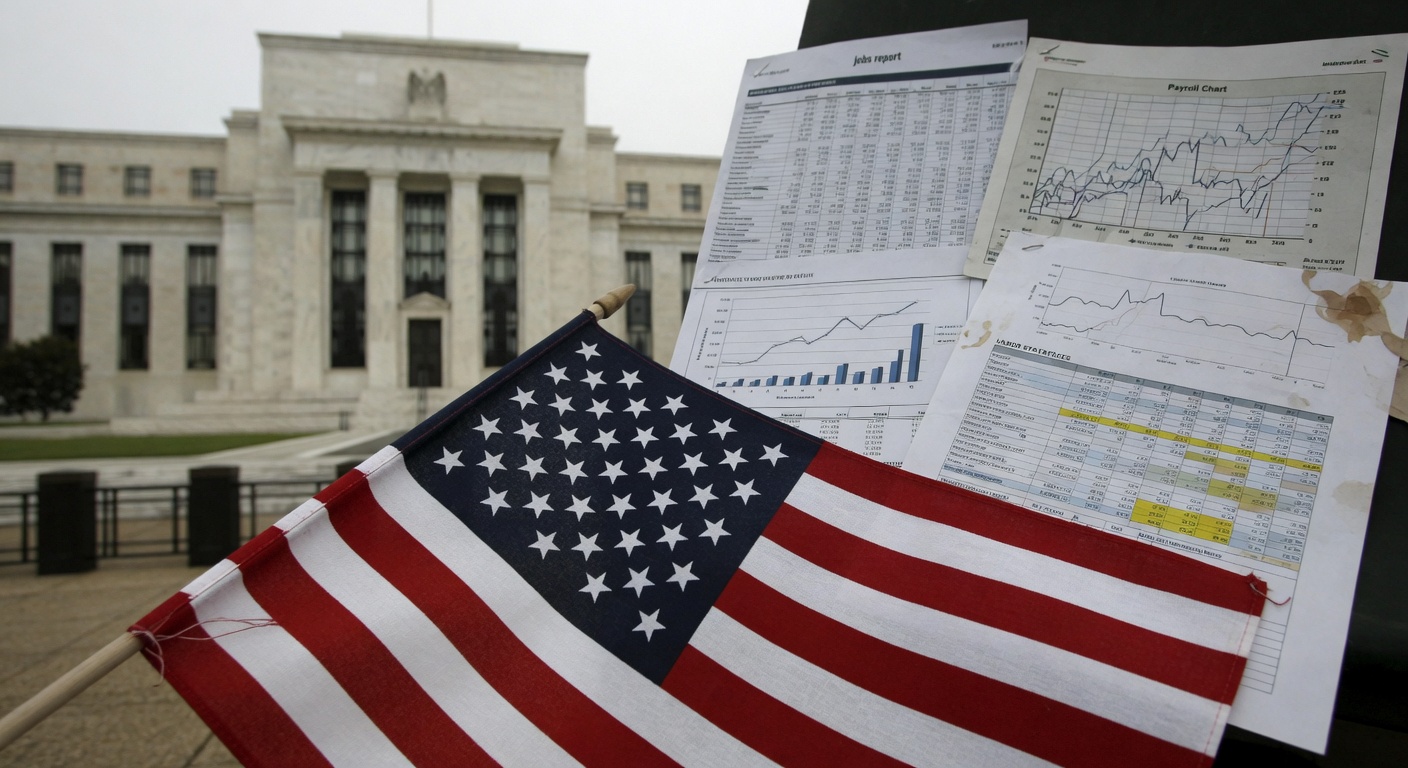
Fed Chair Warsh's Hawkish Jackson Hole Speech Boosts September Rate Hike Bets
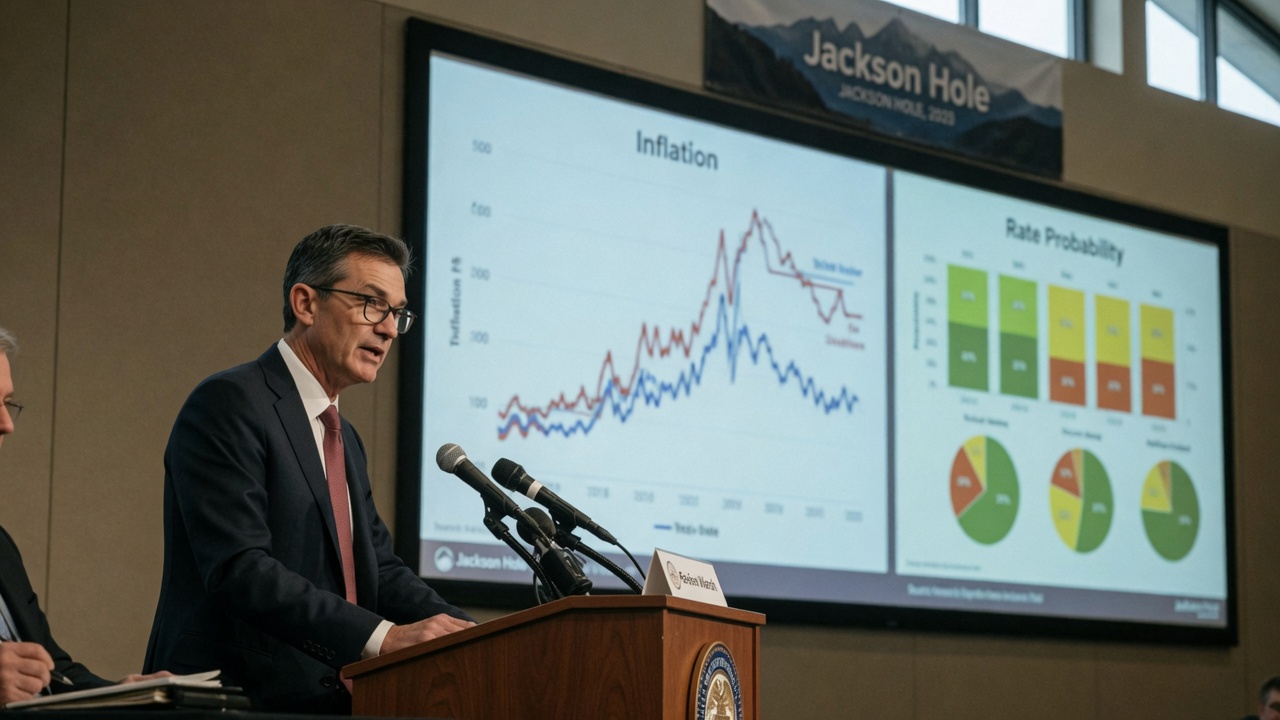
- Federal Reserve Chair Kevin Warsh delivered hawkish remarks at Jackson Hole on August 28, 2026, reiterating commitment to the 2% inflation target and signaling short-term rates as the primary policy tool, which lifted market-implied odds of a September rate hike to over 50%.
Federal Reserve Chair Kevin Warsh's speech at the Jackson Hole Economic Symposium has injected fresh hawkishness into markets just days before key September policy decisions.
Speaking on August 28, Warsh emphasized that inflation remains stubbornly above target despite recent cooling in some readings, and he underscored the Fed's resolve to use short-term interest rates aggressively to anchor expectations.
This stance contrasts with earlier market pricing that had largely priced out near-term hikes following softer July CPI data.
The immediate market reaction has been pronounced: Fed funds futures now imply a roughly 55-57% probability of a 25 basis point increase at the September 16-17 meeting, up sharply from around 35% prior to the speech.
Two-year Treasury yields climbed to multi-week highs near 4.33%, while the dollar index pushed toward two-week peaks. Gold prices tumbled more than 3% in initial selling before stabilizing, reflecting classic risk-off flows tied to higher-for-longer policy expectations.
Equity markets, particularly rate-sensitive sectors like technology and real estate, faced downward pressure as borrowing costs are repriced higher.
The speech also highlighted tensions with fiscal authorities, as Warsh reinforced the Fed's independence amid reports of Treasury efforts to influence longer-term yields through buybacks.
Traders should closely monitor upcoming employment data releases this week and any follow-up comments from other FOMC members. A stronger-than-expected jobs report could cement the case for a September move, while any signs of labor market softening might give the committee pause.
Broader implications include potential spillover to global central banks, with the ECB and BOJ likely to recalibrate their own tightening paths in response to a firmer USD.
For fixed income investors, duration risk has increased meaningfully, favoring shorter maturities or floating-rate instruments. Equity allocators may tilt toward defensive value sectors and away from growth stocks that thrive in low-rate environments.
Currency traders will watch USD/JPY closely, as yen weakness beyond 160 could prompt further intervention risks. Overall, Warsh's remarks have shifted the narrative from potential easing to active tightening vigilance, setting the stage for elevated volatility through the fall.
AI insight — what it means
The Fed chair's tough comments on keeping inflation low make investors expect a possible interest rate increase next month. Higher rates usually raise borrowing costs and can slow spending, which often pushes stock and crypto prices lower.
Unlock the full AI insight
Free account — takes 10 seconds.
- Why this story matters — explained simply
- How it moves prices, sectors and assets
- What traders and analysts are watching next
Share this story
Spread the signal — link, social or copy.
Related topics
Related coverage
Fed Chair Warsh Makes First Hires Including 'Project 2025' Author
Fed Officials Signal Readiness to Hike Rates on Inflation Risks
US April PCE Inflation Surges to 3.8% YoY, Fastest in Three Years
ECB Says Consumer Price Expectations Ease But Stay Elevated
US April Core PCE Inflation Hits 3.3% Annual Rate