Fed Chair Warsh Reaffirms Inflation Fight at Jackson Hole Without Forward Guidance
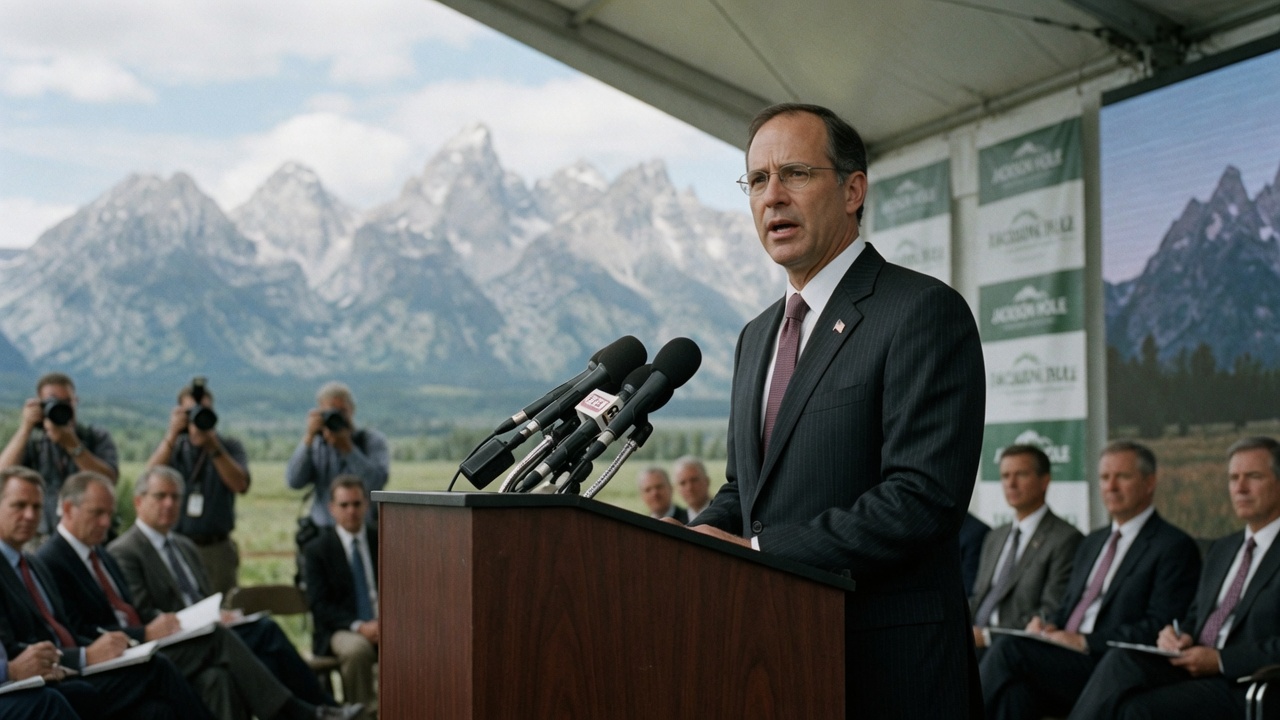
- Federal Reserve Chair Kevin Warsh delivered his first Jackson Hole speech on August 28, 2026, emphasizing the central bank's commitment to returning inflation to 2% without signaling a timeline for rate hikes or changes.
The Jackson Hole symposium provided the first major platform for new Fed Chair Kevin Warsh to outline his priorities amid persistent inflation pressures stemming from Middle East energy shocks and strong economic activity.
Warsh stressed that without clear evidence of inflation heading decisively toward target, the Fed has 'more work to do,' echoing earlier hawkish signals from regional presidents who dissented in favor of hikes at the July meeting.
This stance reinforces expectations that the federal funds rate, currently targeted at 3.5%-3.75%, will remain on hold at the September FOMC meeting while leaving open the possibility of tightening later in the year if price pressures fail to moderate.
Markets reacted with caution, pushing major U.S. equity indexes lower as investors repriced the odds of near-term policy easing. Bond yields edged higher on the hawkish tone, while the dollar found support against major currencies.
The speech underscores a divided Fed where three officials have already signaled preference for action, highlighting risks to growth if policy remains restrictive amid slowing job gains and resilient but not overheating demand.
Sectors most exposed include rate-sensitive areas such as housing, autos, and high-growth tech stocks, which have benefited from lower-for-longer assumptions.
Traders should monitor upcoming PCE inflation data, labor market reports, and any follow-up comments from FOMC participants for clues on whether the bar for hikes is being raised.
Oil price volatility tied to geopolitical tensions will also remain a key watchpoint, as sustained energy costs could force a more aggressive response.
Overall, the message shifts focus from potential cuts to vigilance against reacceleration, supporting a neutral-to-bearish near-term bias for risk assets until clearer disinflation trends emerge.
AI insight — what it means
The Fed leader stressed keeping prices stable at the 2% target but offered no hints on when borrowing costs might change. This leaves investors expecting rates to stay higher for longer, which can slow economic activity and weigh on stock prices.
Unlock the full AI insight
Free account — takes 10 seconds.
- Why this story matters — explained simply
- How it moves prices, sectors and assets
- What traders and analysts are watching next
Share this story
Spread the signal — link, social or copy.
Related topics
Related coverage
Fed Chair Warsh Makes First Hires Including 'Project 2025' Author
Fed Officials Signal Readiness to Hike Rates on Inflation Risks
US April PCE Inflation Surges to 3.8% YoY, Fastest in Three Years
ECB Says Consumer Price Expectations Ease But Stay Elevated
US April Core PCE Inflation Hits 3.3% Annual Rate