Fed Chair Warsh Floats Reducing Number of Rate-Setting Meetings
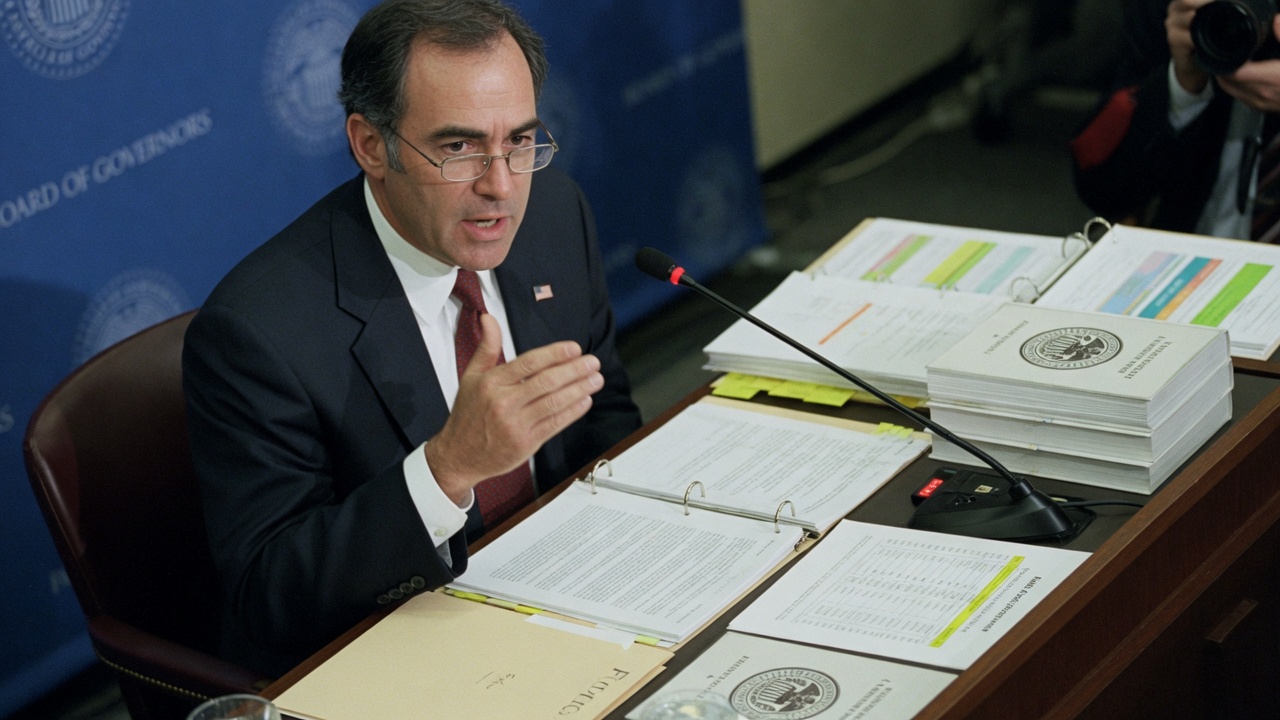
- New Fed Chair Kevin Warsh has proposed cutting the frequency of FOMC meetings to streamline policy decisions.
Kevin Warsh, in his early tenure as Fed Chair, has floated the idea of reducing the number of monetary policy meetings, potentially from eight to fewer per year, as part of broader efforts to enhance central bank efficiency.
This comes alongside announcements of task forces on communications, balance sheet management, and inflation targeting. The proposal aims to allow more focus on data analysis rather than frequent deliberations, but it raises questions about market communication and reaction times.
The story is significant because it signals a potential overhaul in how the Fed operates under new leadership, coinciding with debates on whether rates need to move higher.
Reduced meetings could lead to greater volatility around announcement dates, affecting trading strategies in bonds and currencies. Sectors like fixed income and derivatives markets would be most impacted, with possible increases in implied volatility.
Traders should watch for details on implementation timelines, reactions from other FOMC members, and any linkage to inflation or GDP outlooks. This could also influence global central banks' approaches.
Next, monitor Warsh's press conferences and any official proposals for calendar changes, alongside key data like employment reports that might prompt interim actions.
Share this story
Spread the signal — link, social or copy.
Related topics
Related coverage
Fed Chair Warsh Makes First Hires Including 'Project 2025' Author
New Federal Reserve Chair Warsh appointed initial staff members, including a key 'Project 2025' figure, signaling potential shifts in central bank policy direction amid ongoing inflation concerns from Middle East conflicts.
Fed Officials Signal Readiness to Hike Rates on Inflation Risks
Chicago Fed President Goolsbee and others including Governors Cook and Jefferson, plus Minneapolis Fed's Kashkari, highlighted persistent inflation pressures from the Iran war oil shock and AI investment hype, stating they are prepared to raise rates if disinflation stalls while keeping policy well-positioned at 3.50%-3.75%.
US April PCE Inflation Surges to 3.8% YoY, Fastest in Three Years
The Personal Consumption Expenditures Price Index jumped 3.8% year-over-year in April, the largest rise since May 2023, driven by higher energy prices from the Iran war. Core PCE advanced 3.3% YoY, well above the Fed's 2% target.
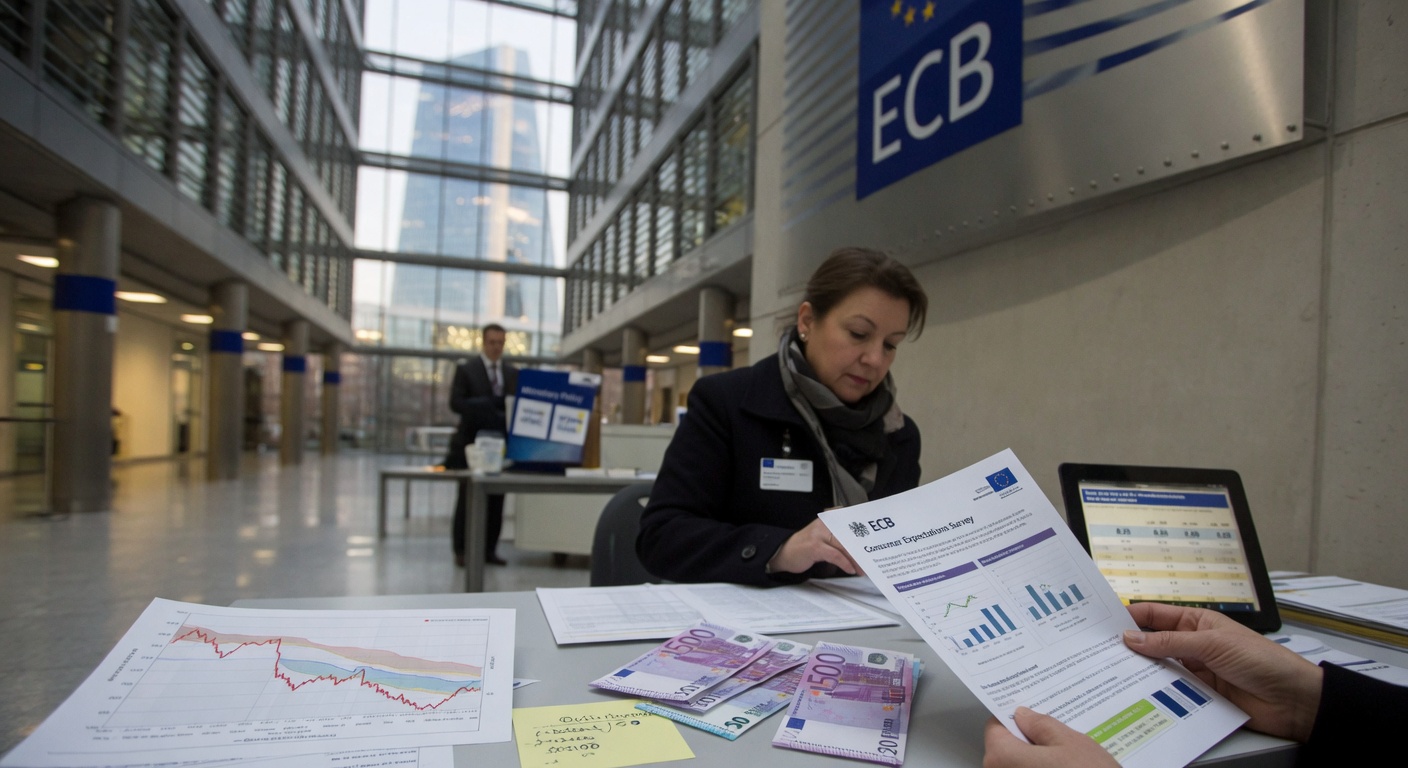
ECB Says Consumer Price Expectations Ease But Stay Elevated
Euro-area consumers’ expectations for inflation in three years fell slightly to 2.9% in April from 3% in March, per ECB survey released June 1, though policymakers remain likely to raise interest rates next week.
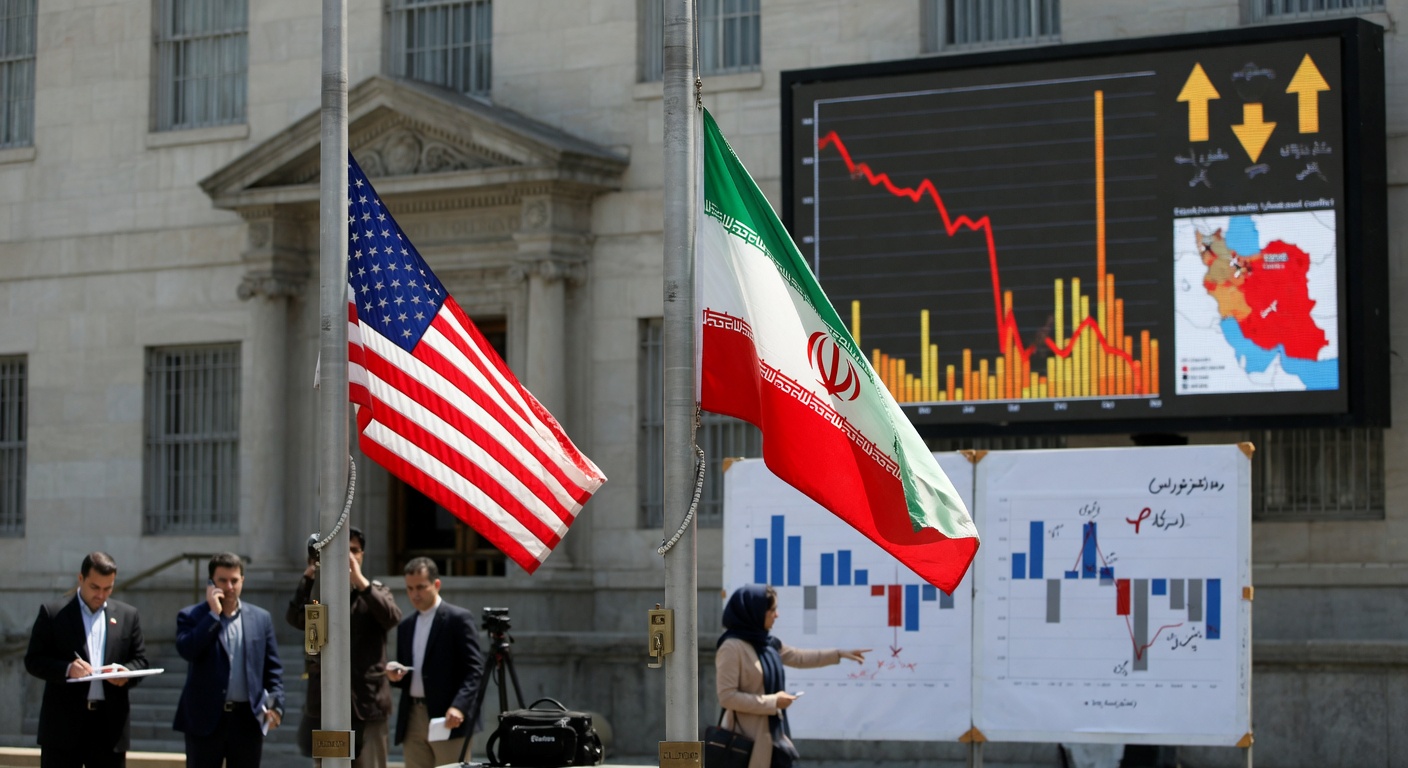
US April Core PCE Inflation Hits 3.3% Annual Rate
The Fed's preferred core PCE gauge rose 3.3% year-over-year in April, matching expectations, while headline PCE jumped 3.8% YoY, the largest annual increase in three years, driven by energy prices amid the Iran conflict. GDP growth was revised lower to 1.6% annualized for Q1.
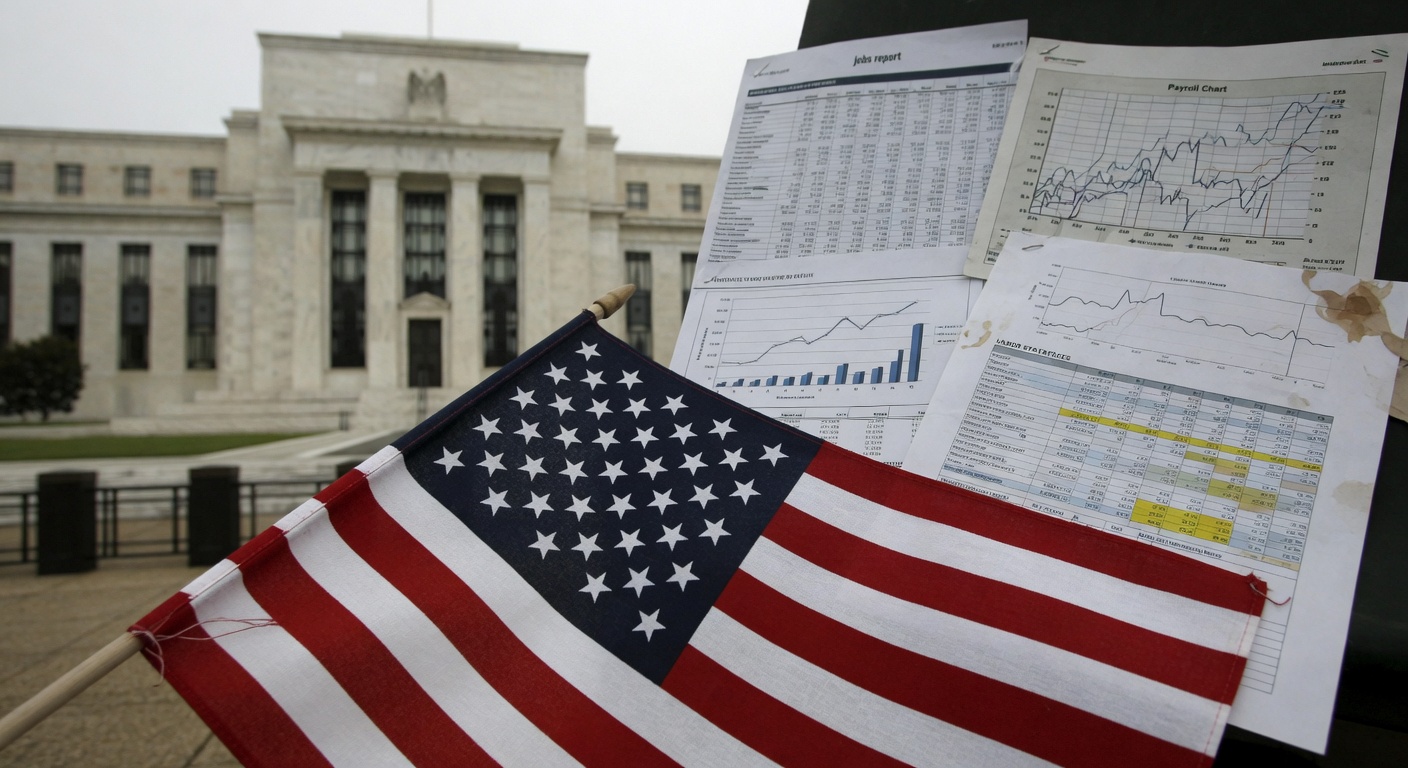
Hot US May Jobs Report Puts Fed Rate Cuts Off the Table
May nonfarm payrolls showed job gains twice as high as expected with unemployment unchanged, confirming strong labor market and removing near-term rate cut expectations for the Federal Reserve.