FAO Warns of Accelerating Food Price Inflation on Input Costs

- The FAO flagged risks of fresh food price surges by year-end due to higher fertilizer and fuel expenses linked to geopolitical tensions, alongside potential El Nino effects on harvests.
Global agricultural markets face mounting pressure from elevated input costs even as some crops post solid yields.
Wheat and corn planting has been curtailed in key regions amid the Iran conflict's impact on fuel and fertilizer availability, while Australia projects a 21% drop in winter crop output.
Consumption is outpacing production for corn in 2026/27 by the largest margin in 16 years, tightening balances despite overall large harvests. Farm margins are squeezed, prompting shifts toward soybeans in the US and reduced wheat acreage at record lows.
This matters because food inflation directly affects consumer spending, central bank policy, and emerging market stability. Higher prices could support ag futures and related equities but strain livestock and food processing sectors.
Primary drivers are geopolitical supply chain disruptions and weather risks rather than outright shortages. Affected assets include grain futures, fertilizer stocks, and soft commodity ETFs.
Traders should track USDA crop progress reports, FAO updates, weather patterns in key growing areas, and any resolution in Middle East tensions that could ease input costs.
Share this story
Spread the signal — link, social or copy.
Related topics
Related coverage

Oil Prices Volatile on Uncertainty Over US-Iran Deal Resolution
On May 21, Brent crude settled at $102.58 per barrel down $2.44 (2.3%) and WTI at $96.35 down $1.90 (1.9%), with prices whipsawing amid uncertainty over prospects for ending the US-Israeli conflict with Iran and supply disruptions via the Strait of Hormuz.
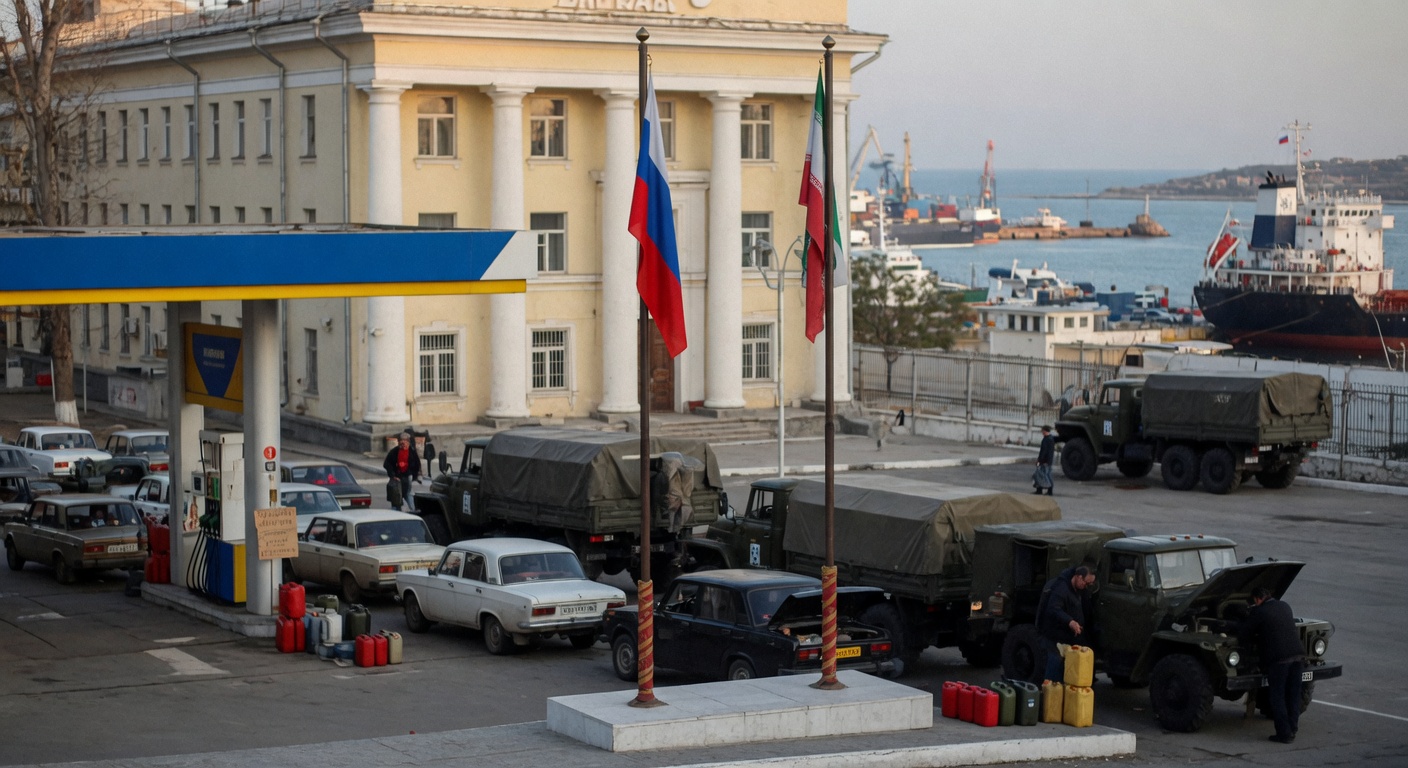
Russia introduces fuel rationing in Sevastopol amid logistical challenges from Iran war
Russia has introduced fuel rationing for cars in the port city of Sevastopol in Russian-occupied Crimea due to logistical challenges, as reported on May 23, 2026. This comes amid broader impacts from the Iran conflict on energy supplies.

Oil Prices Rise 2% on Complications to US-Iran Peace Talks
Oil prices rose over 2% on May 21 as Iran's Supreme Leader directed that near-weapons-grade uranium must stay in the country, complicating potential US-Iran deals. Brent crude gained $1.95 to around $106.97 per barrel and WTI rose to $100.61.
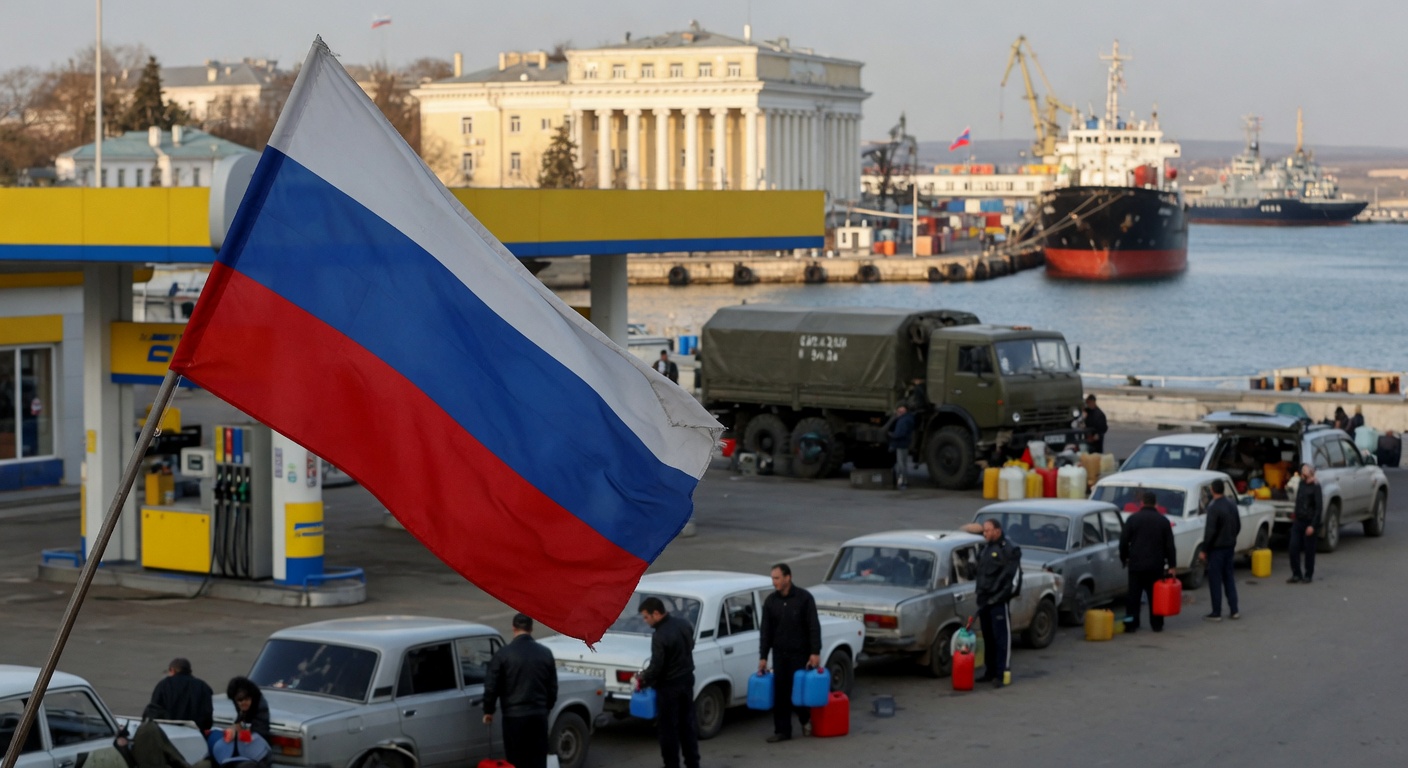
Russia introduces fuel rationing in Crimea's Sevastopol amid logistical challenges
Russia has introduced fuel rationing for cars in the port city of Sevastopol in Russian-occupied Crimea due to logistical challenges, according to the local governor on May 23, 2026. This follows ongoing Middle East tensions affecting energy supplies.

Brent crude oil rises to ~$104 amid Middle East supply concerns
On May 22, 2026, Brent crude futures settled around $104.25, up 0.69-0.95% for the day, with WTI near $97, as ongoing geopolitical tensions in the Middle East continue to support prices despite some volatility from earlier peace talk reports.
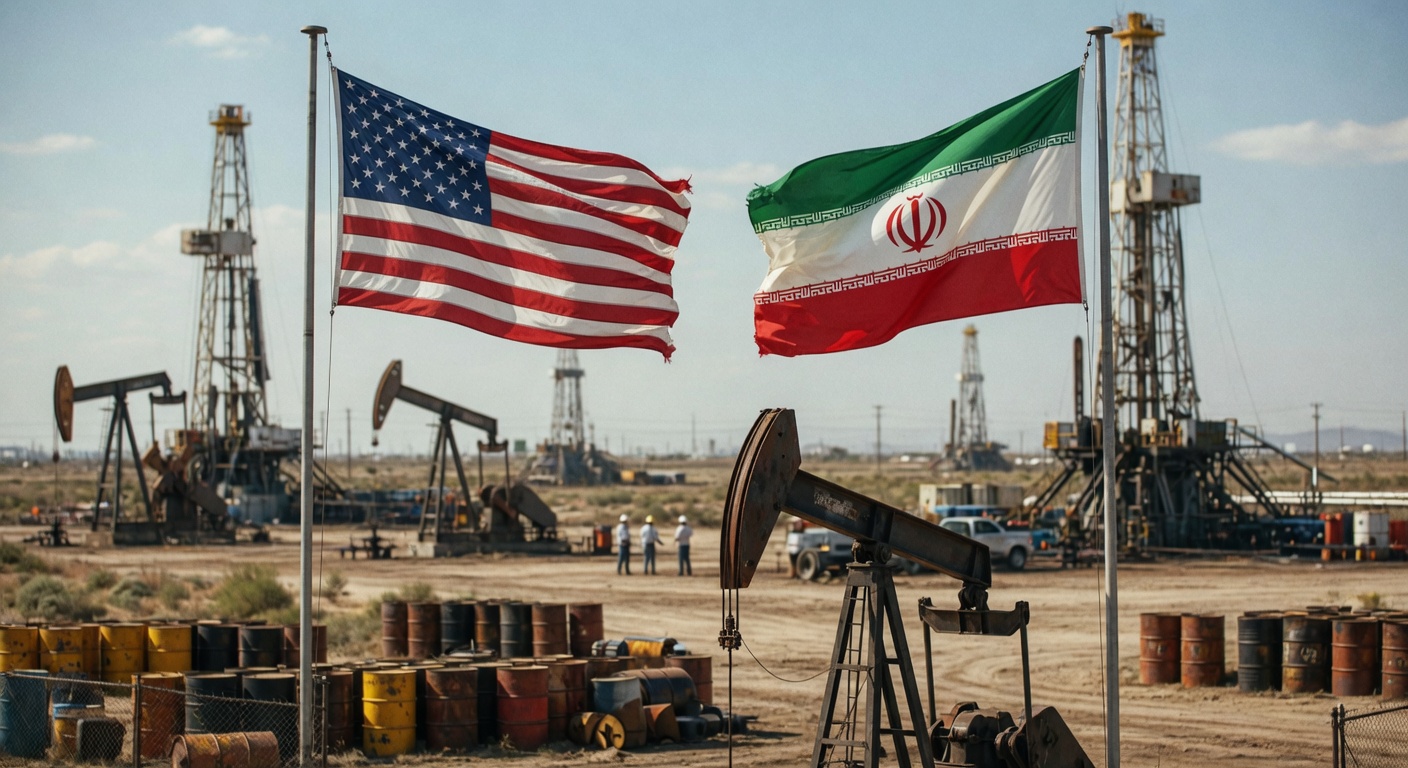
US oil producers increase output to capture price surge from Iran war
US oil producers are ramping up output to take advantage of higher crude prices driven by the ongoing Iran conflict. This development was reported on May 23, 2026.