ECB Set to Hike Rates in September Amid Persistent Inflation and Iran Conflict
- ECB policymakers plan to raise the deposit rate to 2.50% from 2.25% at the September meeting to address inflation near 3% fueled by the ongoing Iran conflict and resilient eurozone growth, with limited appetite for further tightening afterward.
The European Central Bank's anticipated September rate hike marks a significant shift in its policy stance after years of accommodation, driven by inflation hovering close to 3% and the persistent effects of the Iran conflict pushing up energy prices.
This decision reflects the central bank's assessment that the eurozone economy has shown unexpected resilience, allowing policymakers to prioritize price stability over growth concerns.
The move comes after the ECB's initial hike in June, signaling a more proactive approach to containing second-round inflationary effects on core goods, food, and electricity.
Why this matters is its potential to reshape borrowing costs across the euro area, influencing everything from mortgage rates to corporate financing at a time when fiscal pressures and geopolitical risks remain elevated.
Driving factors include the war's impact on global energy markets and the eurozone's stronger-than-expected domestic demand, which has reduced the urgency for further stimulus.
Key assets affected include European government bonds, which are likely to face selling pressure as yields rise, while the euro could strengthen against the dollar and other currencies.
Sectors such as banking may benefit from higher net interest margins, whereas rate-sensitive areas like real estate and consumer discretionary could see headwinds from elevated financing costs.
Traders should closely monitor upcoming eurozone inflation prints, ECB speeches ahead of the September meeting, and any signals on the terminal rate to gauge whether this is a one-off adjustment or the start of a more sustained tightening cycle.
Additionally, watch for reactions in peripheral debt markets and any divergence with the Fed's policy path, as cross-Atlantic rate differentials could drive capital flows and currency volatility in the coming weeks.
AI insight — what it means
The European Central Bank plans to raise interest rates in September to combat ongoing high inflation tied to conflict and steady growth. This move can make loans costlier and put downward pressure on stock prices while supporting the euro currency.
Unlock the full AI insight
Free account — takes 10 seconds.
- Why this story matters — explained simply
- How it moves prices, sectors and assets
- What traders and analysts are watching next
Share this story
Spread the signal — link, social or copy.
Related topics
Related coverage
Fed Chair Warsh Makes First Hires Including 'Project 2025' Author
Fed Officials Signal Readiness to Hike Rates on Inflation Risks

US April PCE Inflation Surges to 3.8% YoY, Fastest in Three Years
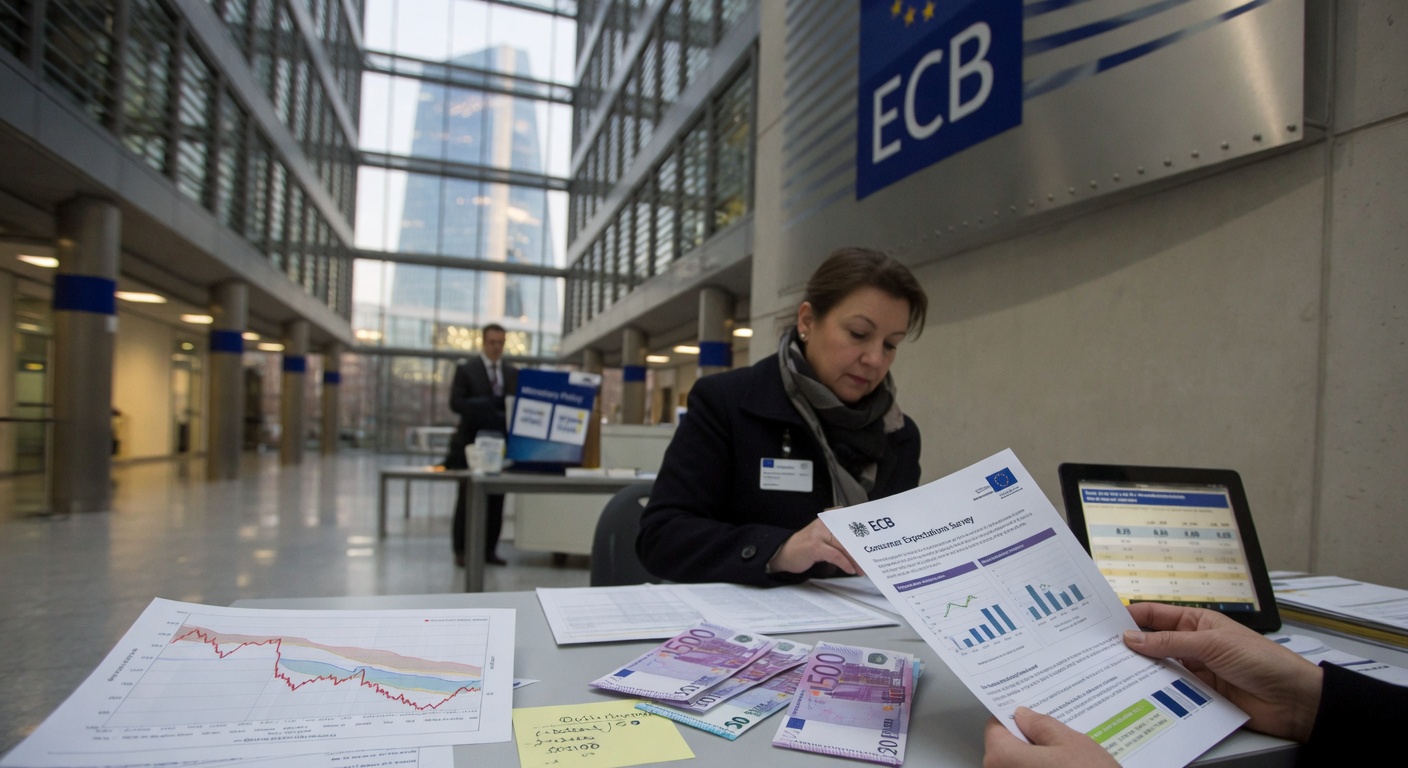
ECB Says Consumer Price Expectations Ease But Stay Elevated
US April Core PCE Inflation Hits 3.3% Annual Rate