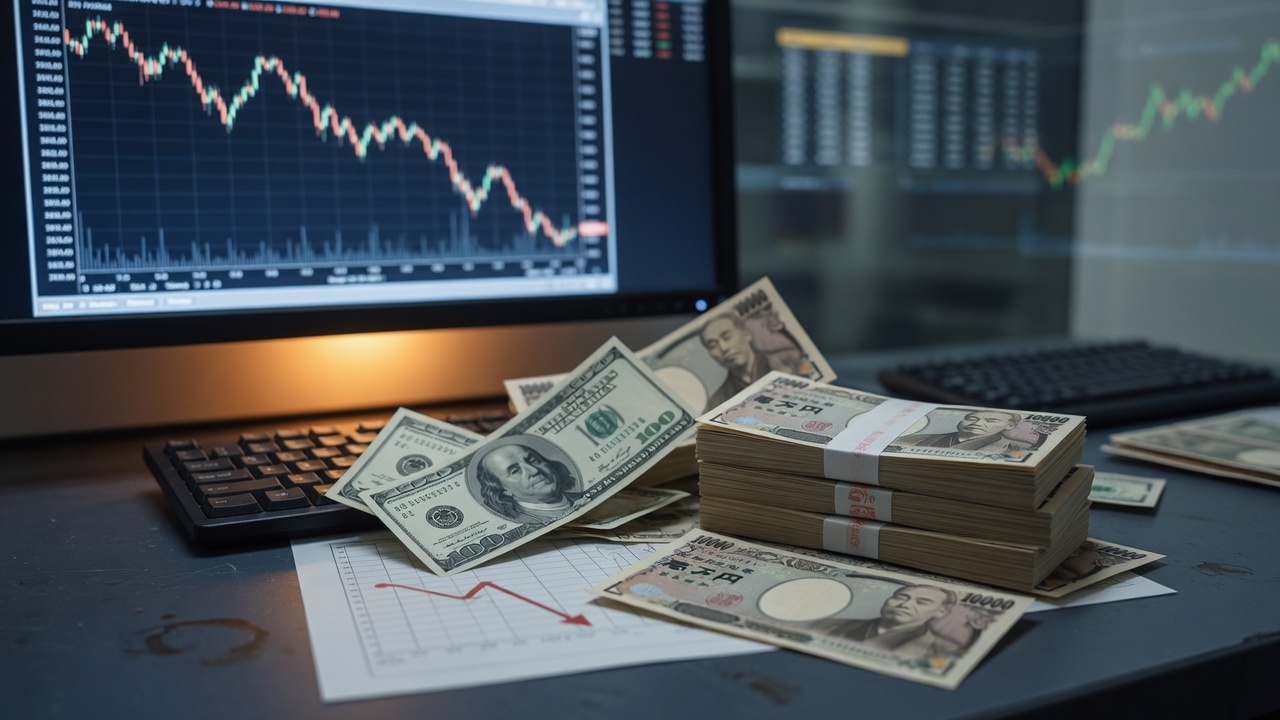
Dollar Wobbles as US Treasury Buybacks Renew Debasement Fears Across Major Pairs
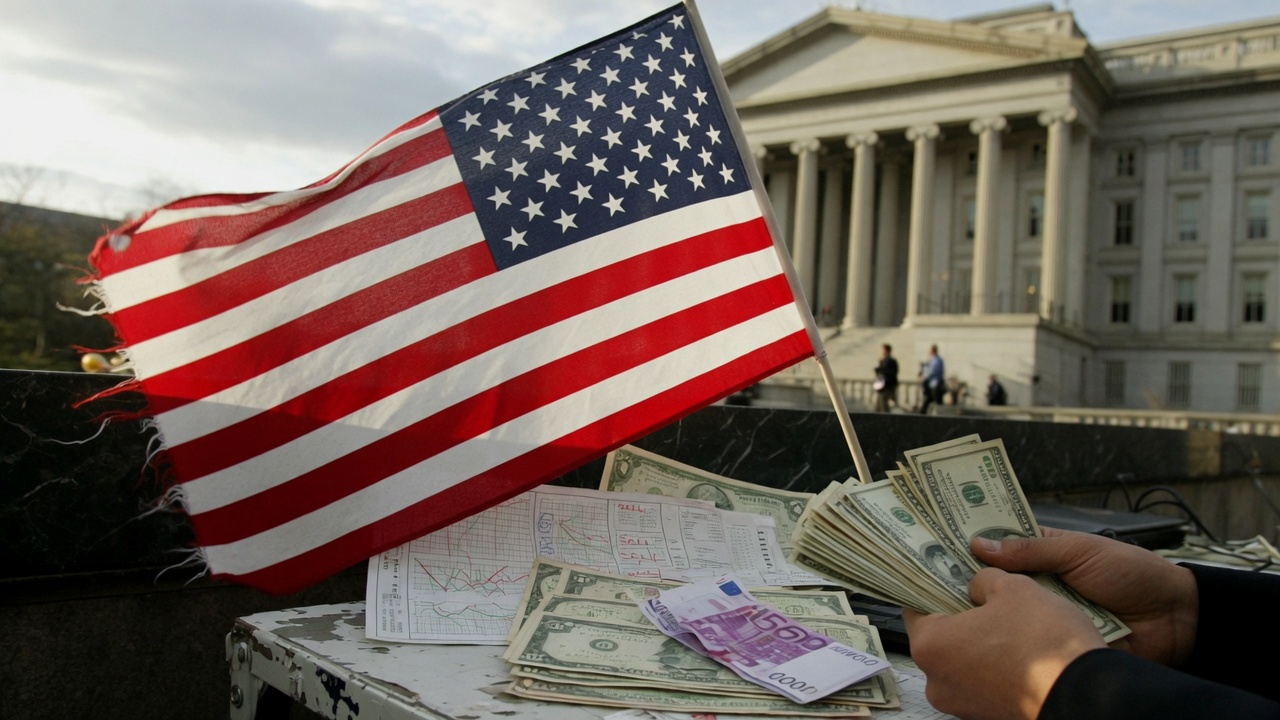
- US Treasury’s August 19 announcement to expand longer-dated security buybacks triggered immediate dollar selling, renewing concerns over currency debasement and pressuring USD against EUR, JPY, and emerging-market currencies on August 20-21, 2026.
The Treasury’s move to at least double purchases of long-dated paper was framed as a technical response to elevated 30-year yields but was quickly reframed by markets as a form of yield-curve control that undermines the dollar’s safe-haven status.
This perception fueled broad-based USD weakness, with the dollar index slipping and pairs such as EUR/USD holding above 1.169 and USD/JPY remaining near 159.
The episode revives long-standing debates about the sustainability of US fiscal deficits and the willingness of authorities to tolerate higher inflation or currency depreciation to manage debt-service costs.
For traders, the development is significant because it decouples dollar direction from pure monetary-policy differentials and ties it more closely to debt-management tactics.
Sectors exposed include US multinational corporations with large foreign-currency revenues, whose translated earnings could improve on USD depreciation, and EM central banks that may accelerate diversification away from dollar reserves.
Carry-trade strategies in high-yielding EM currencies versus the USD have gained renewed appeal, though they remain vulnerable to sudden reversals if Treasury rhetoric shifts.
Key levels to watch include 1.17 in EUR/USD and 158 in USD/JPY; a decisive break lower in the dollar index would likely prompt accelerated position squaring by systematic funds.
Upcoming data on US Treasury auction sizes and any commentary from Treasury officials will be critical in determining whether the debasement narrative persists or fades.
AI insight — what it means
The US government plans to buy back some of its own longer-term bonds. This action can make investors worry the dollar will lose value over time, causing it to drop against currencies like the euro and yen.
Unlock the full AI insight
Free account — takes 10 seconds.
- Why this story matters — explained simply
- How it moves prices, sectors and assets
- What traders and analysts are watching next
Share this story
Spread the signal — link, social or copy.
Related topics
Related coverage

Iran War Opens 'Golden Window' for China's Renminbi
Pound Softens as UK Borrowing Jumps and Consumers Cut Spending

Dollar near six-week high amid US-Iran talks uncertainty
Fed's Waller Signals Readiness to Remove Easing Bias
Pound Softens as UK Retail Sales Plunge and Public Finances Worsen