Xiaomi Unveils Xring O3 AI Mobile Chip Manufactured by TSMC
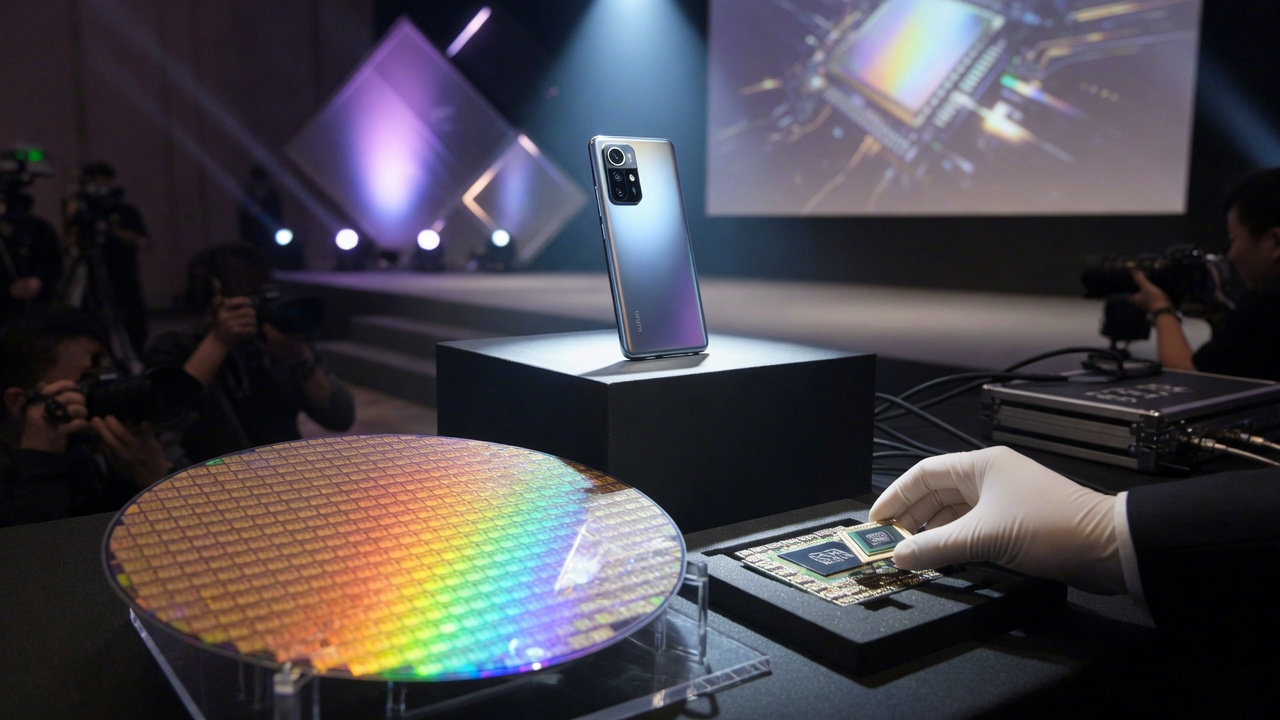
- Xiaomi launched its latest in-house Xring O3 handset processor using TSMC's 3-nanometer process, targeting 200,000-300,000 initial shipments and aiming to reduce reliance on Qualcomm and MediaTek while enhancing on-device AI and image processing.
Xiaomi's introduction of the Xring O3 system-on-a-chip represents a significant step in its vertical integration strategy, allowing greater control over smartphone supply chains and differentiation in the fiercely competitive Android market.
Manufactured on TSMC's advanced 3nm node, the chip promises improved power efficiency, superior image processing, and enhanced artificial intelligence capabilities for on-device tasks such as real-time photo editing, voice assistants, and personalized recommendations.
Initial production targets of 200,000 to 300,000 units signal a measured rollout focused on flagship devices, building on earlier chip development efforts that resumed in 2021.
This product launch falls squarely into brand and culture catalysts, as it positions Xiaomi as an innovator challenging established players like Qualcomm in the mobile silicon space and appeals to tech-savvy consumers in China and emerging markets who value self-reliance and cutting-edge features.
The move could accelerate Xiaomi's smartphone market share gains, particularly in premium segments, while also supporting its expanding ecosystem of smart devices and EVs through shared semiconductor expertise.
Traders should watch Xiaomi (1810.HK) for margin expansion from reduced third-party chip costs and any announcements of broader adoption in consumer electronics. The story also indirectly benefits TSMC through increased advanced-node demand.
Sector impacts include pressure on Qualcomm and MediaTek valuations amid rising competition from Chinese designers, alongside potential uplift for AI consumer hardware plays.
Next catalysts include device launch events showcasing the chip's performance benchmarks, supply chain updates amid geopolitical tensions, and quarterly smartphone shipment data that could validate the strategy's commercial traction.
Success here may catalyze further in-house silicon development across the industry, reshaping cost structures in consumer tech.
AI insight — what it means
Xiaomi is building its own phone processor at TSMC's advanced factory instead of buying from others. This could slowly shift business toward TSMC and away from Qualcomm and MediaTek.
Unlock the full AI insight
Free account — takes 10 seconds.
- Why this story matters — explained simply
- How it moves prices, sectors and assets
- What traders and analysts are watching next
Share this story
Spread the signal — link, social or copy.
Related topics
Related coverage

Summer Box Office Off to Strong Start with $161 Million Weekend

'The Devil Wears Prada 2' Delivers Solid $77 Million Opening

US Hybrid Sales Jump 37% as EV Demand Lags Despite Gas Prices

US Retail Sales Drop Sharply, Signaling Consumer Pullback

Hilton Raises 2026 RevPAR Forecast on Luxury Travel Strength