US Treasury Broadens Secondary Sanctions on Iran Amid Hormuz Tensions
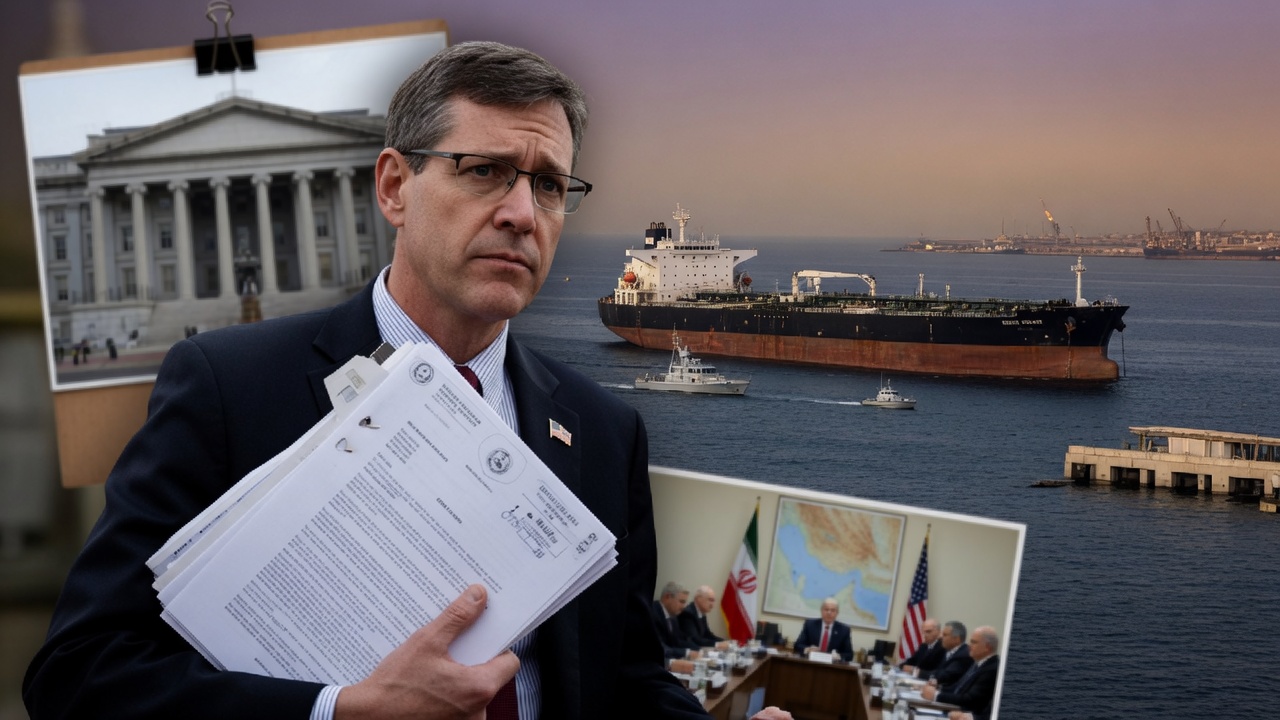
- Treasury is set to expand the scope of secondary sanctions targeting Iran's trade partners, with Treasury Secretary Bessent signaling the 'toughest sanctions in history' as Pakistan mediates talks in Tehran.
The escalation of U.S. secondary sanctions against Iran represents a significant intensification of economic pressure on the Islamic Republic, directly targeting its ability to sell oil and conduct international trade.
This move comes as Iran has threatened fines and confiscation against up to 45 tankers violating transit rules in the Strait of Hormuz, raising the specter of supply disruptions for a waterway that handles roughly one-fifth of global oil trade.
Markets are already pricing in heightened risk, with oil prices showing resilience despite earlier volatility and gold benefiting as a safe-haven asset amid uncertainty over whether these sanctions will force concessions or provoke further retaliation.
Defense contractors stand to gain from any sustained geopolitical friction, as investors anticipate increased military spending and procurement in response to Middle East instability.
The sanctions also pressure allies like China to curb purchases of Iranian crude, potentially redirecting flows and supporting prices for alternative suppliers such as Saudi Arabia or the U.S. shale sector. Traders should closely monitor announcements from the U.S.
Treasury for specifics on targeted entities, any Iranian counter-moves in the Strait, and subsequent reactions in Brent crude futures and defense ETF flows. Safe-haven demand for gold and the U.S.
dollar could accelerate if rhetoric escalates, while equities in energy and aerospace may see continued outperformance.
Historical precedents from prior sanction rounds show initial oil spikes followed by partial moderation as diplomatic channels open, but the current environment—coupled with lingering effects from earlier phases of the Iran conflict—suggests a more durable risk premium.
Portfolio managers are advised to watch for volume spikes in tanker tracking data and any statements from OPEC+ members adjusting output guidance.
AI insight — what it means
The US is tightening rules so fewer countries can buy oil from Iran, which may reduce global oil supply and push prices higher. Retail investors could see gains in energy-related investments if this supply squeeze holds.
Unlock the full AI insight
Free account — takes 10 seconds.
- Why this story matters — explained simply
- How it moves prices, sectors and assets
- What traders and analysts are watching next
Share this story
Spread the signal — link, social or copy.
Related topics
Related coverage

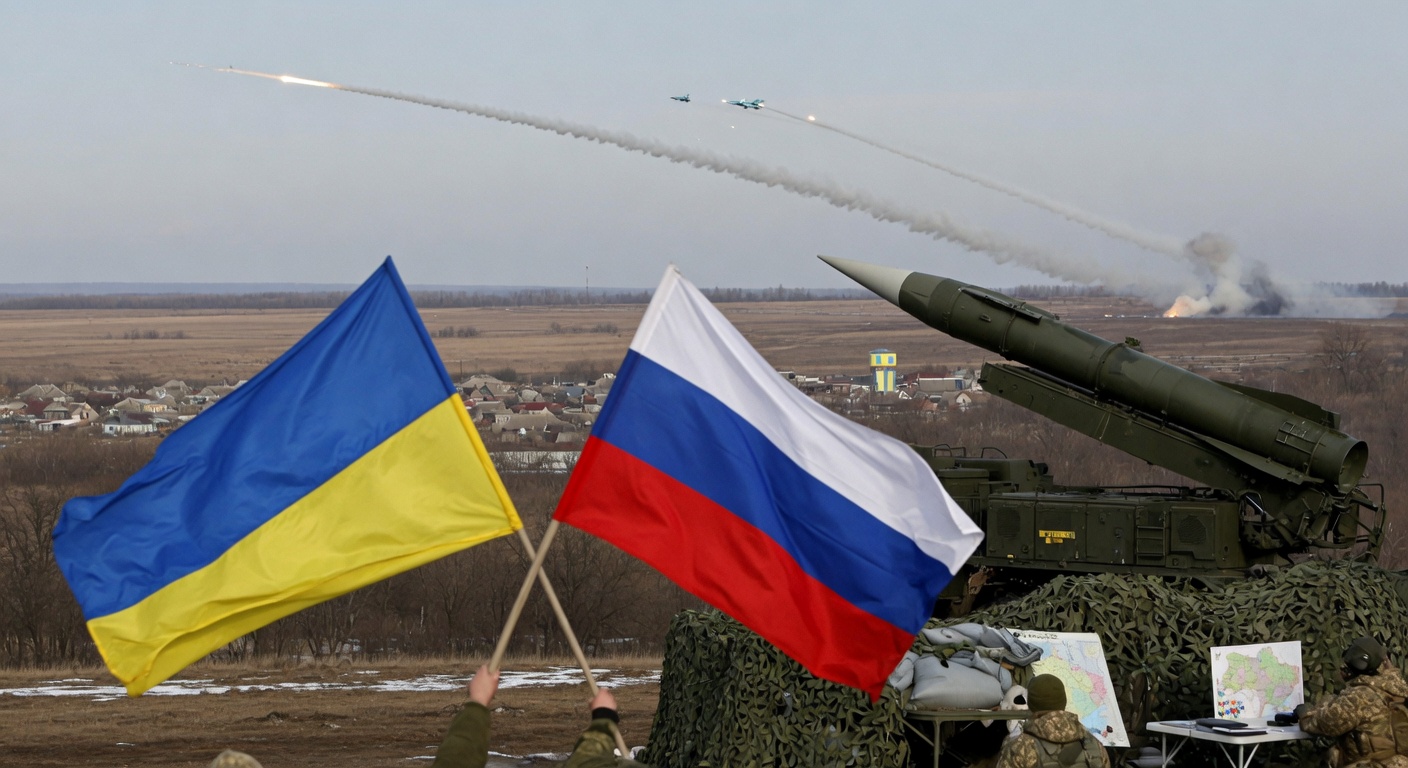
Russia Launches Major Missile and Drone Strikes on Ukraine
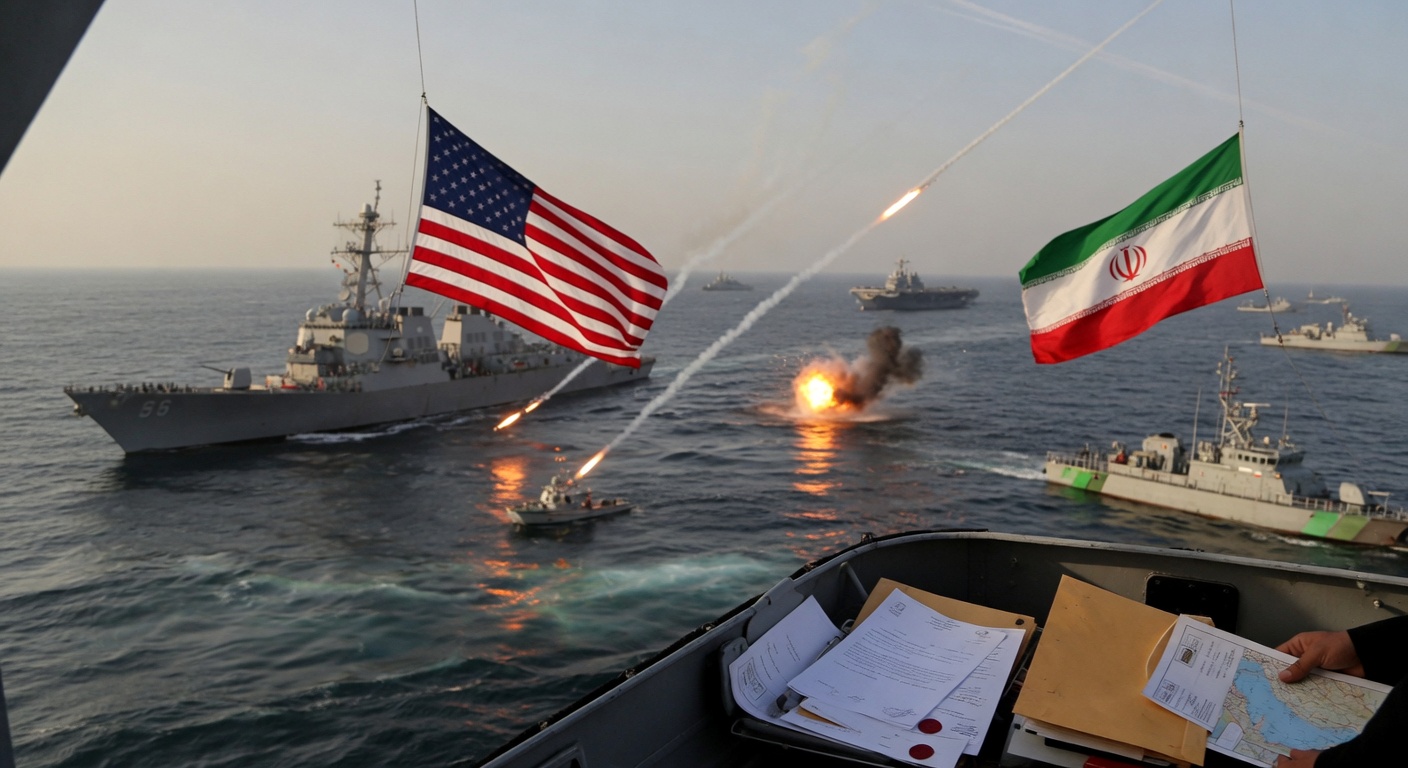
US-Iran Ceasefire on 'Life Support' Amid Ongoing Gulf Exchanges
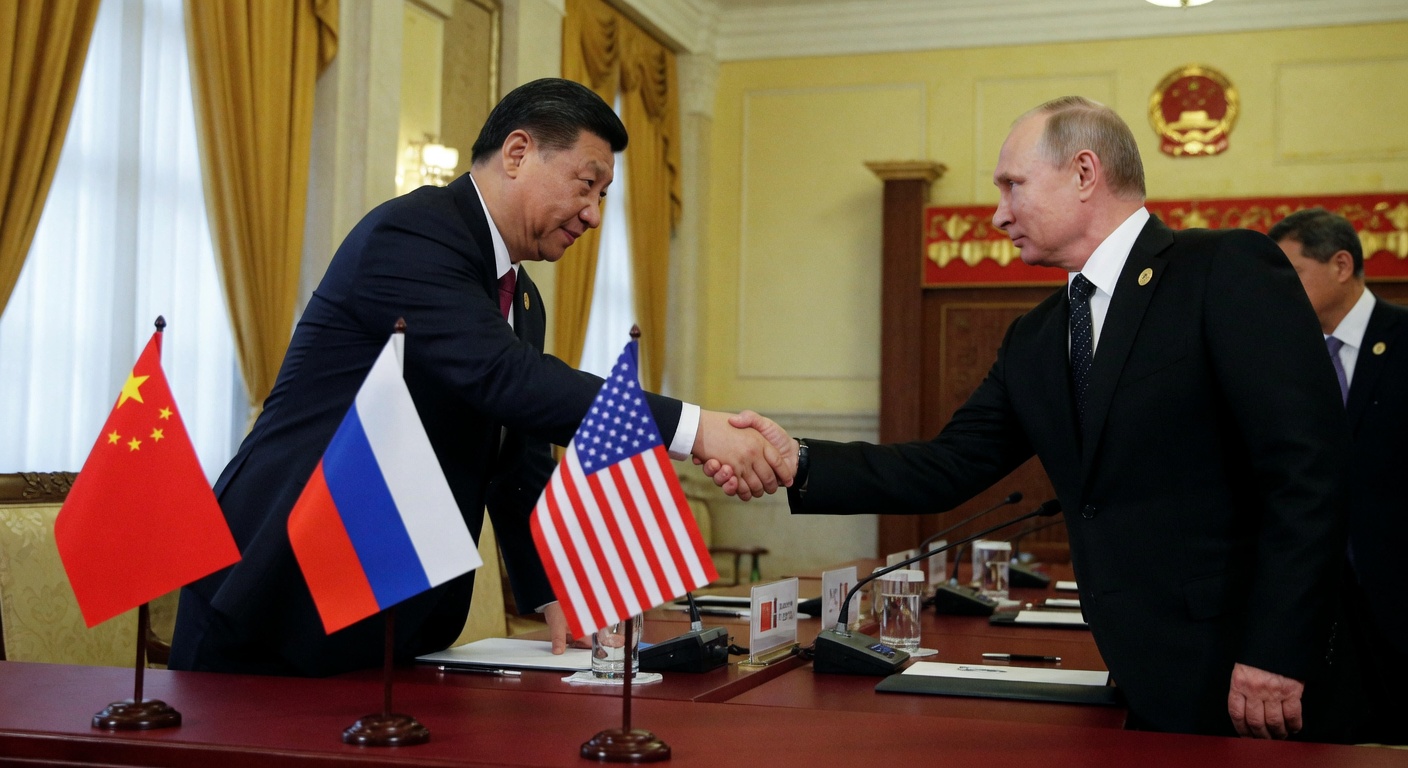
Xi and Putin Meet in Beijing, Condemn US Policies
US Expects Billions in Chinese Farm Purchases Post-Trump-Xi Summit
Trump Seeks China's Help to End Iran War During Trade Talks