US Major Indices Decline Amid Rising Oil and Geopolitical Tensions
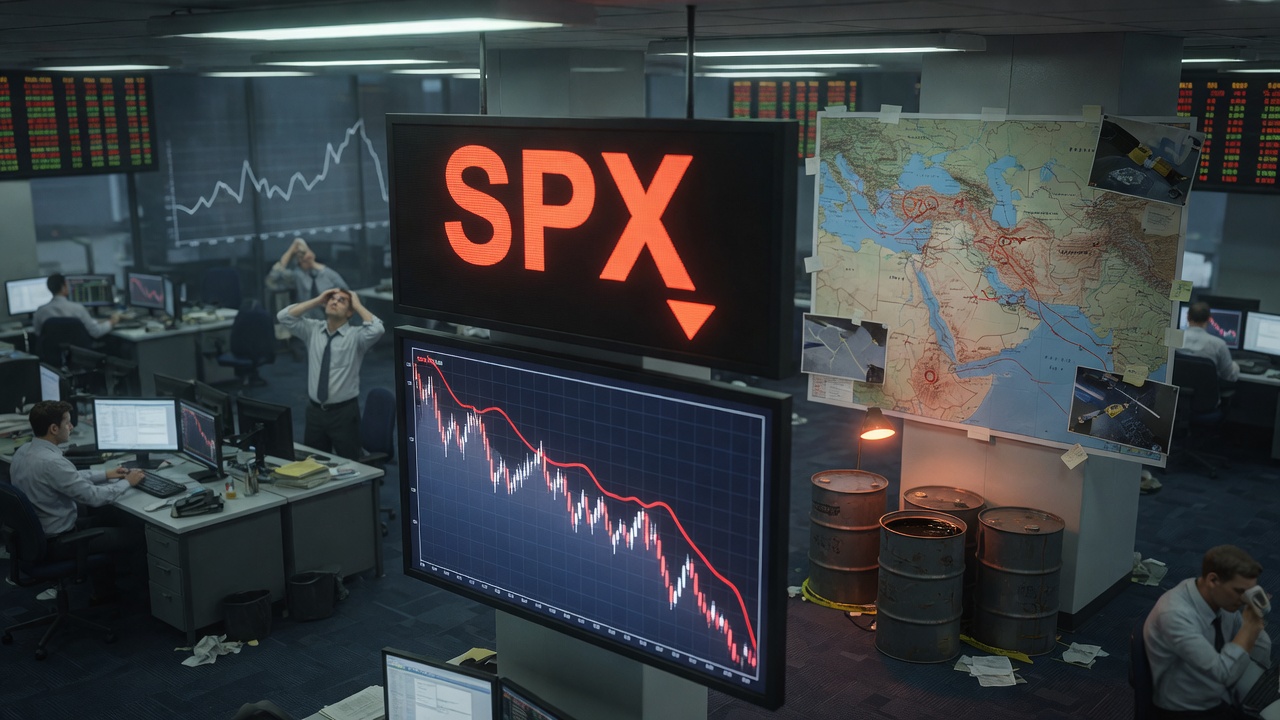
- On August 17, 2026, the S&P 500 fell 0.52% to 7,745.06, Nasdaq declined 0.32%, and Dow edged lower as oil prices climbed due to US-Iran tensions with no deal in sight.
Wall Street's benchmark indices closed lower on August 17, 2026, reflecting investor caution driven primarily by surging oil prices and unresolved geopolitical risks in the Middle East.
The S&P 500 dropped 0.52% to close at 7,745.06, the Nasdaq Composite slipped 0.32% to 26,644.91, and the Dow Jones Industrial Average declined modestly around 0.2-0.5% depending on the exact close reported across sources.
This pullback follows a period of record highs earlier in August fueled by strong corporate earnings and AI enthusiasm, but the session highlighted how external macro factors can quickly temper risk appetite.
Oil prices rose notably, with Brent crude surging as diplomatic efforts between the US and Iran stalled, raising fears of supply disruptions.
Traders are pricing in higher energy costs that could feed into inflation and pressure corporate margins, particularly in transportation, manufacturing, and consumer sectors.
The market's reaction underscores the sensitivity of equities to commodity volatility in a high-valuation environment where multiples remain elevated after the AI-driven rally. European indices like FTSE 100, DAX, and CAC 40 also traded lower in sympathy, extending the global risk-off tone.
For traders, key watches include upcoming retail earnings reports from Walmart on Thursday, Home Depot on Tuesday, and Lowe's on Wednesday, which will provide direct insight into US consumer resilience amid higher energy prices.
Any signs of softening demand could amplify selling pressure, while resilient numbers might support a rebound.
Additionally, monitoring oil inventory data and any diplomatic updates will be critical, as further escalation could push crude toward $90+ levels, potentially triggering broader sector rotations out of growth stocks into defensives or energy names.
The dip appears healthy in the context of recent gains but signals that macro risks remain a dominant driver over pure fundamentals in the near term.
AI insight — what it means
US stock indexes dropped because oil prices rose on worries about tensions between the US and Iran. Higher oil costs can squeeze company profits and make investors more cautious about buying stocks.
Unlock the full AI insight
Free account — takes 10 seconds.
- Why this story matters — explained simply
- How it moves prices, sectors and assets
- What traders and analysts are watching next
Share this story
Spread the signal — link, social or copy.
Related topics
Related coverage

S&P 500 and Nasdaq Rally on Tech Earnings Beat

Quantum Computing Stocks Surge on U.S. Government $2B Funding and Equity Stakes
Dow Jones Hits New Record Close, S&P 500 Posts Eighth Winning Week

Dow Jones Closes at Record High of 50,579.70

Nvidia Reports Strong Q1 Earnings but Shares Decline Amid Oil Spike