US-Iran Diplomacy Stalls Amid Escalation Threats and Pressure Calls
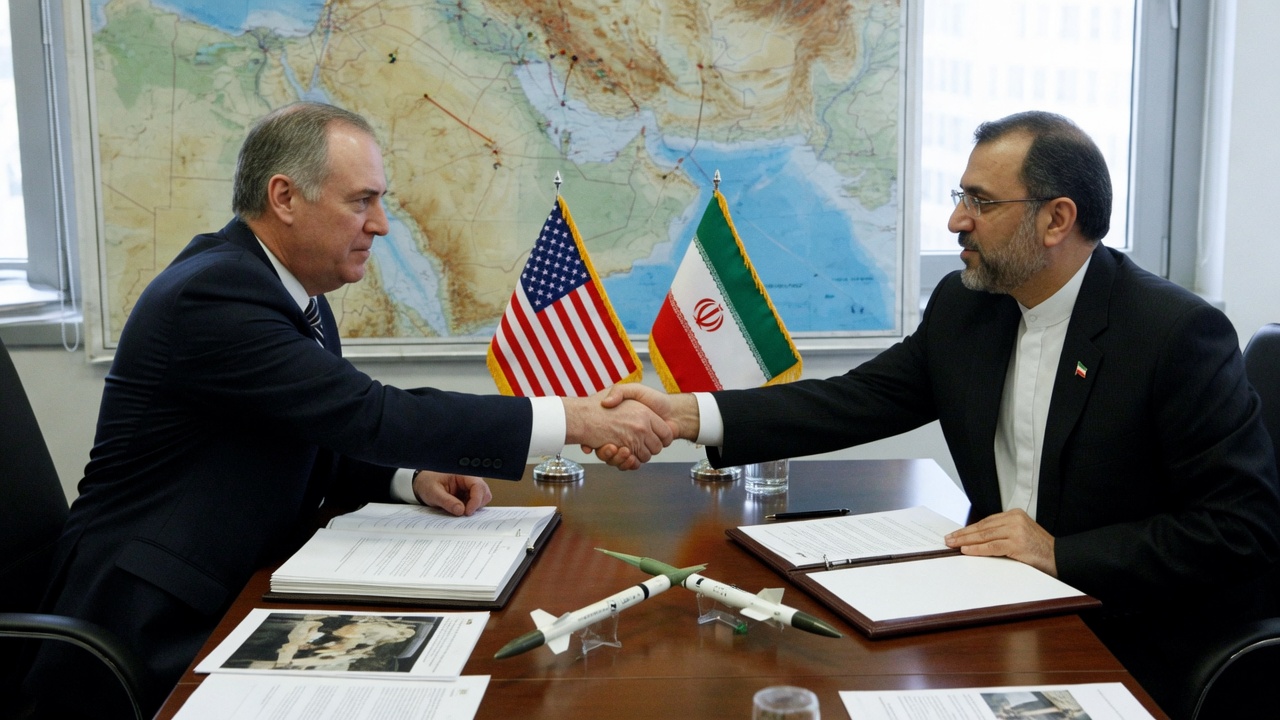
- Stalled U.S.-Iran talks revived fears of prolonged Middle East conflict as Iran warned of escalation if a deal is not honored within weeks, while Trump called for more economic pressure.
The breakdown in U.S.-Iran diplomacy represents a critical flashpoint with direct implications for global energy markets and investor sentiment.
Recent statements from Iranian officials signal potential resumption of hostilities if Washington fails to deliver on commitments, echoing earlier phases of the conflict that drove oil prices higher through supply disruption risks in the Strait of Hormuz.
Traders are closely monitoring these developments because any escalation could quickly translate into higher Brent crude benchmarks, benefiting energy producers while pressuring equities in consumer sectors.
Defense stocks stand to gain from renewed tensions as military readiness becomes paramount, with historical patterns showing outperformance in aerospace and weapons manufacturers during Middle East flare-ups.
Safe-haven assets like gold have already demonstrated resilience in similar geopolitical environments, attracting flows as uncertainty mounts. What is driving this story is a combination of stalled negotiations post-ceasefire attempts and domestic political pressures on both sides, including U.S.
calls for sanctions enforcement. Markets should watch upcoming diplomatic signals, oil inventory data, and any announcements on port blockades or tanker movements for directional cues.
A breakthrough could ease inflation expectations and support risk assets, whereas failure risks a broader flight to quality, strengthening the dollar and Treasuries. Portfolio managers are advised to maintain hedges in commodities and monitor VIX spikes tied to headlines.
The interplay with other regional actors like Israel and Houthis adds layers of complexity, potentially amplifying volatility across asset classes in the coming sessions.
AI insight — what it means
This news points to rising Middle East tensions that could make markets more unpredictable. Everyday investors may face bigger swings in stock prices and commodity costs as a result.
Unlock the full AI insight
Free account — takes 10 seconds.
- Why this story matters — explained simply
- How it moves prices, sectors and assets
- What traders and analysts are watching next
Share this story
Spread the signal — link, social or copy.
Related topics
Related coverage
Russia Launches Major Missile and Drone Strikes on Ukraine
US-Iran Ceasefire on 'Life Support' Amid Ongoing Gulf Exchanges
Xi and Putin Meet in Beijing, Condemn US Policies
US Expects Billions in Chinese Farm Purchases Post-Trump-Xi Summit
Trump Seeks China's Help to End Iran War During Trade Talks