US Imposes Fresh Sanctions on Hezbollah Highlighting Iran Ties
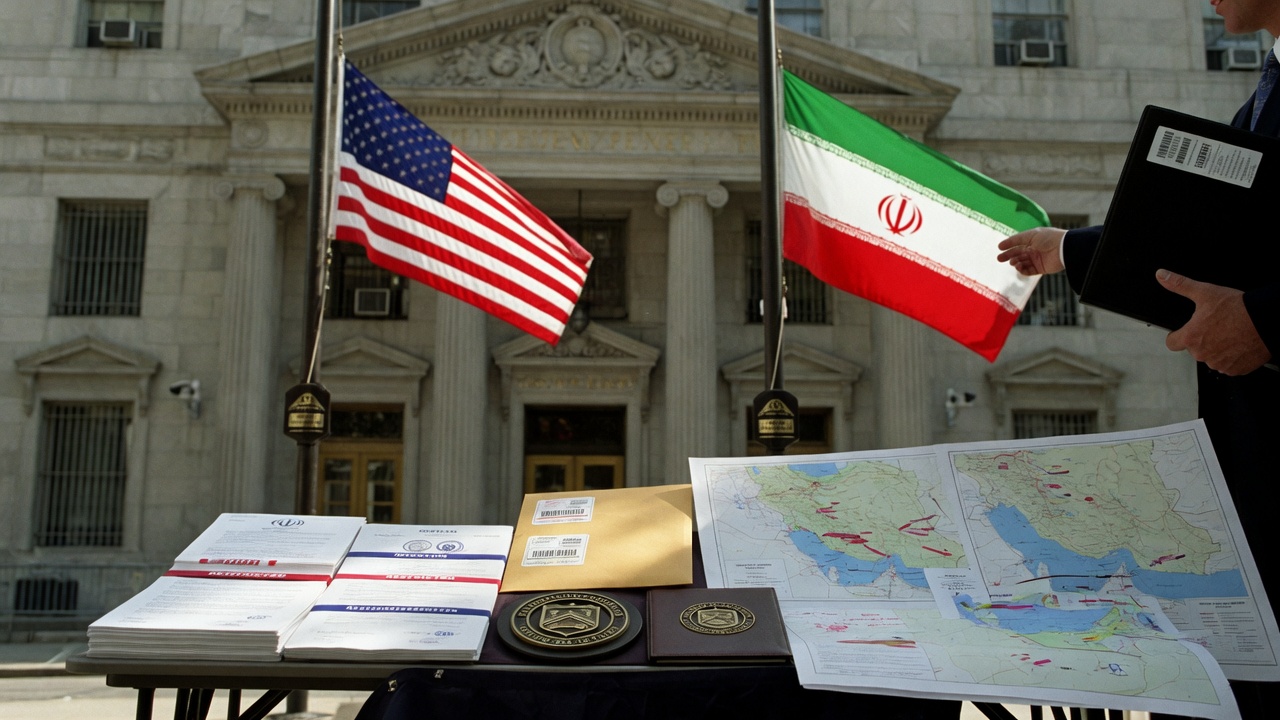
- On August 20, 2026, the US targeted Hezbollah with new sanctions, underscoring its connections to the Iranian government amid the ongoing Middle East conflict.
The latest US sanctions against Hezbollah represent a direct escalation in economic pressure on Iranian-backed groups, coming just as the Iran-related conflict shows signs of persistence into late summer 2026.
This move follows months of military exchanges and failed diplomatic overtures, with Washington aiming to squeeze Tehran's proxies financially while broader talks on the Strait of Hormuz remain stalled.
The sanctions explicitly link Hezbollah's activities to Iranian state support, signaling that the US views the group not as an independent actor but as an extension of Iran's regional strategy.
For markets, this development reinforces expectations of prolonged supply chain disruptions in energy, as Hezbollah's involvement in Lebanon and potential Red Sea threats could further complicate tanker routes.
Oil prices have already reacted with upward bias in recent sessions, with Brent crude sensitive to any news that heightens Hormuz risks.
Defense contractors stand to benefit from sustained or increased Pentagon spending on Middle East contingencies, while safe-haven assets like gold and the US dollar may see continued inflows if investor risk aversion rises.
Traders should monitor follow-on sanctions lists, any Iranian retaliation rhetoric, and shipping data through key chokepoints for signs of escalation or de-escalation.
Next key watchpoints include Treasury enforcement updates and whether allies like the EU align with similar measures, which could amplify the sanctions' bite on Iranian oil exports.
Overall, the action underscores a US preference for financial warfare over immediate military expansion, yet it keeps volatility elevated in energy and defense sectors.
AI insight — what it means
The US sanctions on Hezbollah draw attention to its links with Iran during Middle East fighting. This raises the chance of wider regional disruption that can push up energy costs and make investors more cautious with stocks.
Unlock the full AI insight
Free account — takes 10 seconds.
- Why this story matters — explained simply
- How it moves prices, sectors and assets
- What traders and analysts are watching next
Share this story
Spread the signal — link, social or copy.
Related topics
Related coverage
Russia Launches Major Missile and Drone Strikes on Ukraine
US-Iran Ceasefire on 'Life Support' Amid Ongoing Gulf Exchanges
Xi and Putin Meet in Beijing, Condemn US Policies
US Expects Billions in Chinese Farm Purchases Post-Trump-Xi Summit
Trump Seeks China's Help to End Iran War During Trade Talks