US-Canada Trade War Deepens with New Tariffs on Autos and Goods
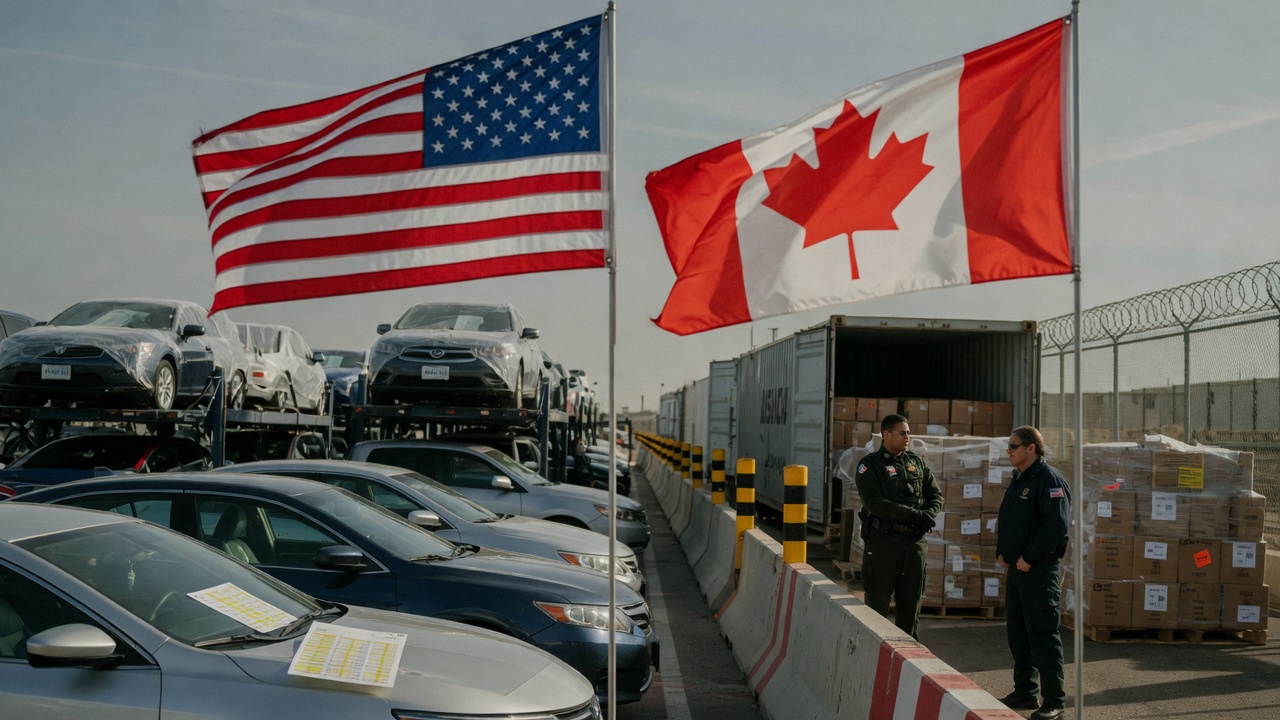
- Escalating tariffs between the US and Canada, including threats of 50% duties on Canadian vehicles effective 2027, have intensified bilateral trade tensions in late August 2026, threatening higher consumer prices and supply chain disruptions.
The breakdown in US-Canada trade talks has pushed the two economies deeper into tariff retaliation, with President Trump announcing potential 50% levies on Canadian cars, trucks, and parts starting January 2027.
Canadian Prime Minister Mark Carney responded by confirming retaliatory measures set to begin September 8, 2026. This tit-for-tat dynamic directly affects integrated North American auto supply chains, where components cross borders multiple times before final assembly.
Higher input costs are expected to feed through to vehicle prices on both sides of the border, adding to broader inflationary pressures already stoked by energy markets.
Equity markets have reacted with caution: Canadian exporters in autos and related sectors face margin compression, while US importers brace for elevated procurement expenses. Currency markets show the Canadian dollar weakening against the USD as investors price in the economic drag.
Safe-haven assets such as gold have seen some support from the uncertainty, though the dominant driver remains the Mideast situation.
Traders should watch for any G20 discussions on trade remedies, updates on tariff implementation timelines, and earnings guidance from major automakers like GM, Ford, and Stellantis.
A prolonged trade standoff could accelerate diversification of supply chains away from the region, benefiting alternative producers in Mexico or Asia, while pressuring consumer discretionary spending.
Portfolio adjustments may include overweighting domestic US manufacturers less exposed to cross-border flows and underweighting Canadian resource and manufacturing equities until clarity emerges.
AI insight — what it means
This news means rising trade barriers could push up prices for cars and other goods bought by regular consumers in the US and Canada. Investors may see pressure on auto-related stocks as companies face extra costs and possible lost sales.
Unlock the full AI insight
Free account — takes 10 seconds.
- Why this story matters — explained simply
- How it moves prices, sectors and assets
- What traders and analysts are watching next
Share this story
Spread the signal — link, social or copy.
Related topics
Related coverage

Russia Launches Major Missile and Drone Strikes on Ukraine

US-Iran Ceasefire on 'Life Support' Amid Ongoing Gulf Exchanges

Xi and Putin Meet in Beijing, Condemn US Policies

US Expects Billions in Chinese Farm Purchases Post-Trump-Xi Summit

Trump Seeks China's Help to End Iran War During Trade Talks