Trump Administration Prepares 'Toughest Sanctions in History' on Iran
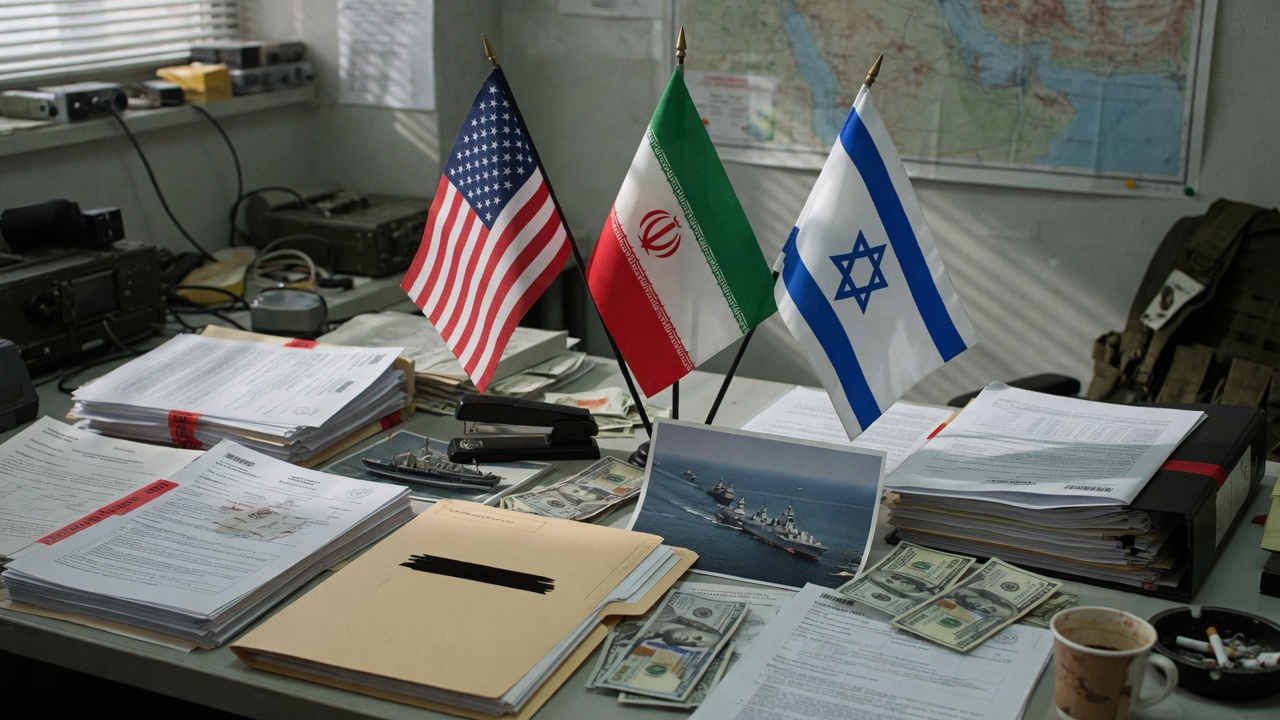
- The US is set to unveil expansive secondary sanctions and economic measures against Iran and its supporters, described as the greatest financial offensive ever, building on existing blockades and targeting dollar access for third-party nations.
- This escalates the economic dimension of the ongoing conflict that began with US-Israel strikes in February 2026.
President Trump's Treasury Department, led by Secretary Scott Bessent, is advancing what officials call the toughest sanctions regime in history against Iran, focusing on isolating the country financially through secondary measures that penalize any nation or entity maintaining trade ties.
This follows a naval blockade imposed earlier in the year and comes amid stalled military options, shifting emphasis to economic pressure to achieve policy goals without large-scale kinetic escalation.
The measures aim to sever Iran's access to the global financial system, particularly dollar clearing, which could severely constrain oil exports and import capabilities for essential goods.
Market implications are profound for energy sectors, with potential upward pressure on oil if supply disruptions materialize, benefiting producers in the US, Saudi Arabia, and other non-Iranian sources while pressuring importers in Asia and Europe.
Defense contractors stand to gain from any perceived increase in regional instability requiring heightened US military posture, though the sanctions focus may temper immediate war risk premiums.
Safe-haven demand could rise for assets like gold if the sanctions provoke Iranian retaliation threats against Gulf infrastructure.
Traders need to track Treasury press conferences for specifics on tariff threats (up to 25% on imports from sanction-violating countries) and compliance timelines, alongside reactions from China and Russia which have historically circumvented similar regimes.
The policy also intersects with broader trade tensions, as secondary sanctions could complicate US relations with key allies and partners. Long-term, this approach tests the limits of economic statecraft in altering Iranian behavior on nuclear issues and regional proxy activities.
Volatility in related equities, including energy majors and financial institutions exposed to sanctioned entities, warrants close attention, with hedging strategies via options on oil futures recommended.
Overall, the sanctions package reinforces a multi-front strategy combining military deterrence with financial isolation, likely sustaining elevated geopolitical risk premiums across asset classes for weeks ahead.
AI insight — what it means
This news signals stronger US economic pressure on Iran through new sanctions that could limit oil exports and raise global energy costs. Retail investors may see higher fuel prices and increased market swings as tensions grow.
Unlock the full AI insight
Free account — takes 10 seconds.
- Why this story matters — explained simply
- How it moves prices, sectors and assets
- What traders and analysts are watching next
Share this story
Spread the signal — link, social or copy.
Related topics
Related coverage
Russia Launches Major Missile and Drone Strikes on Ukraine
US-Iran Ceasefire on 'Life Support' Amid Ongoing Gulf Exchanges
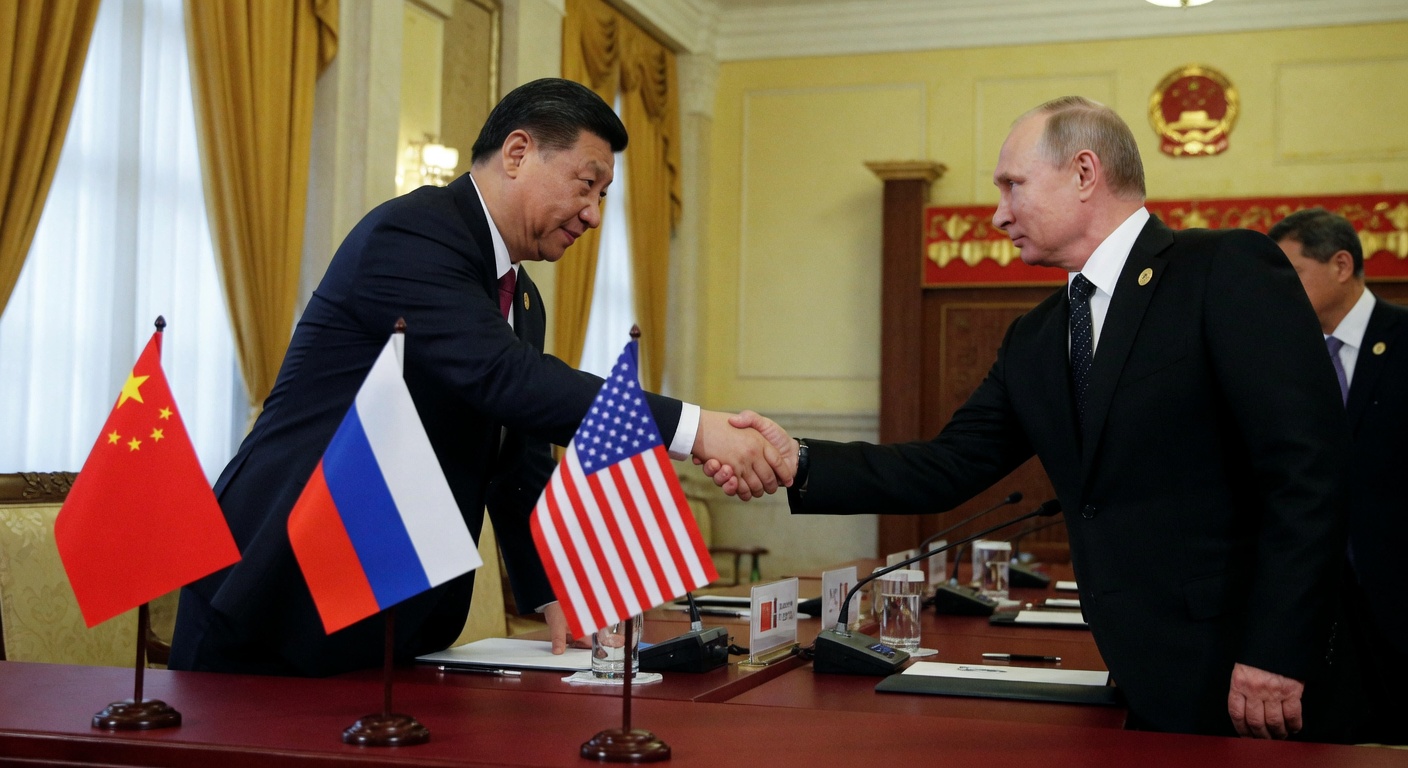
Xi and Putin Meet in Beijing, Condemn US Policies
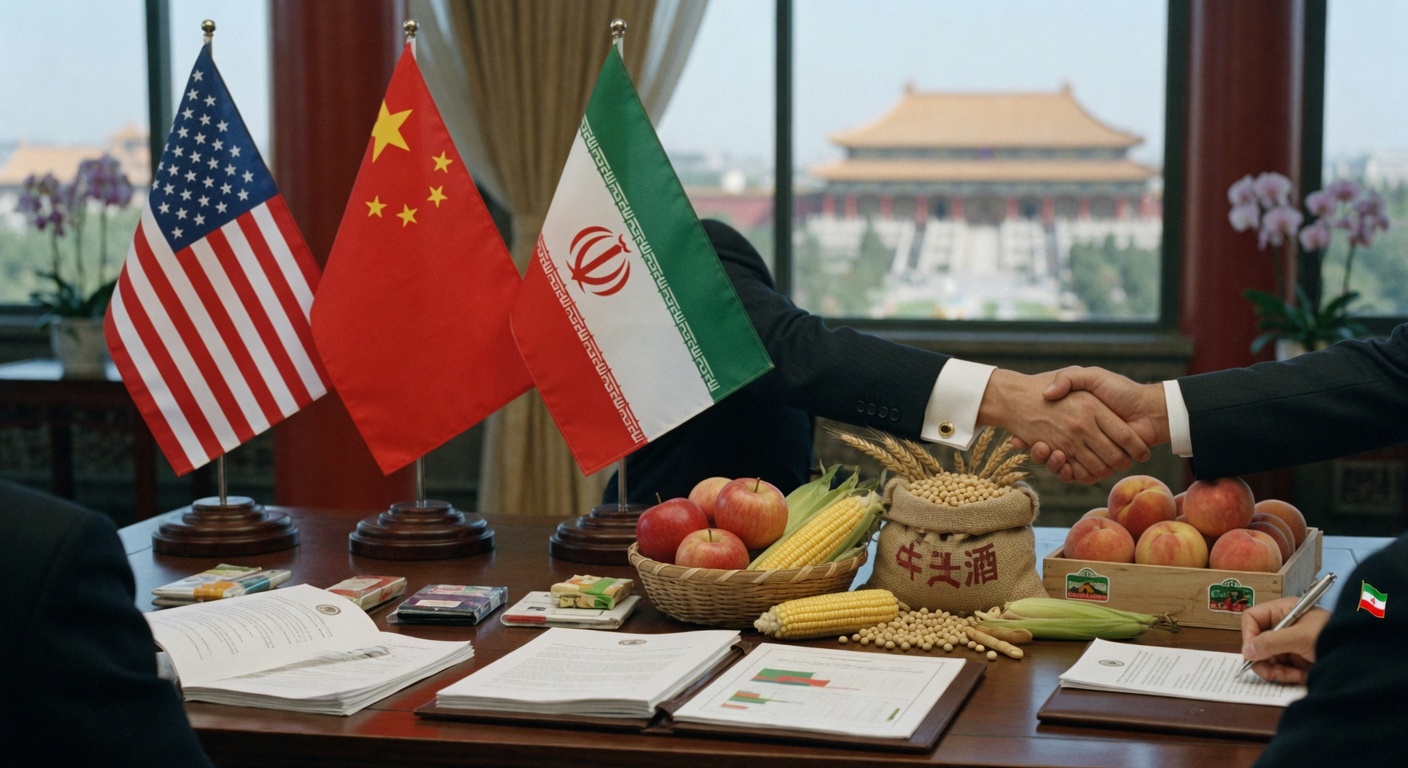
US Expects Billions in Chinese Farm Purchases Post-Trump-Xi Summit
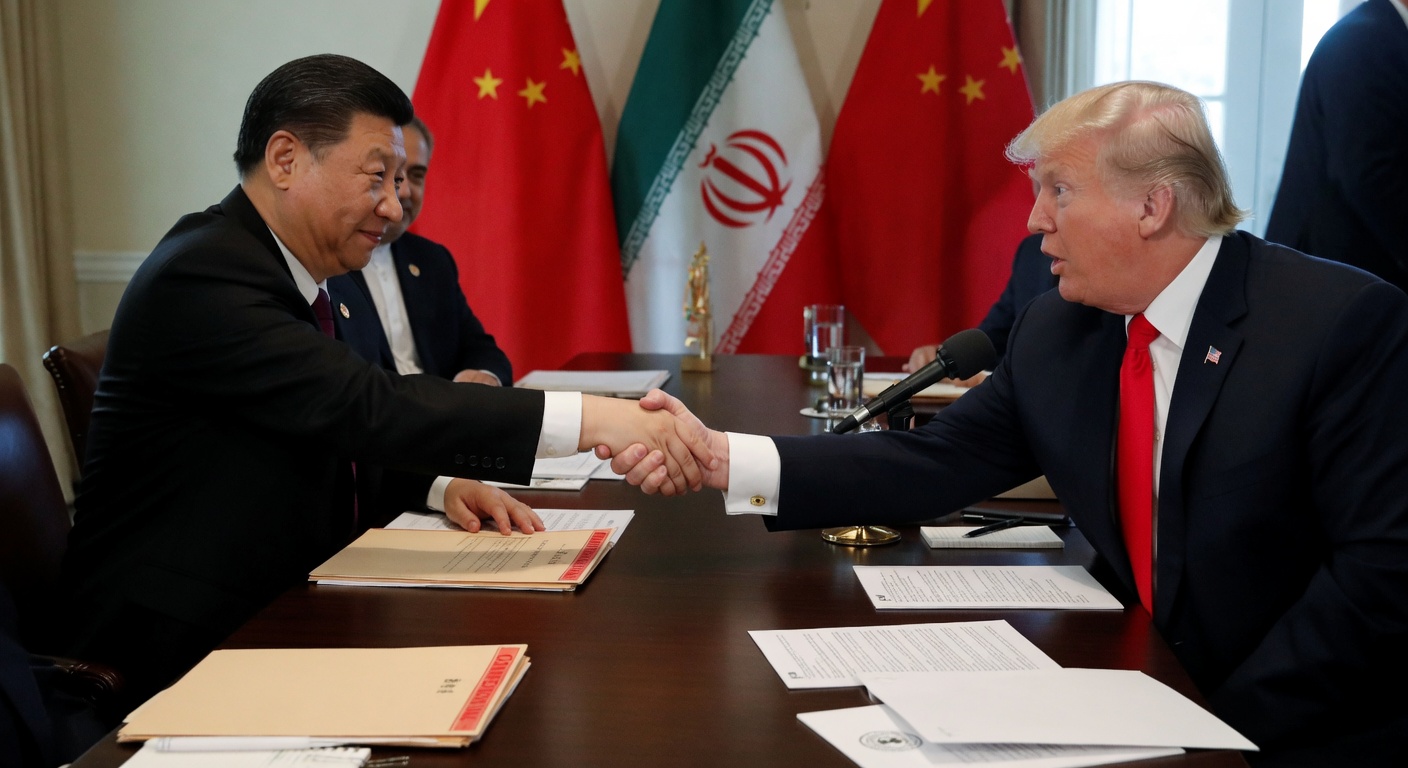
Trump Seeks China's Help to End Iran War During Trade Talks