MAEXO
macrobearishPublished May 31, 2026, 1:00 PM

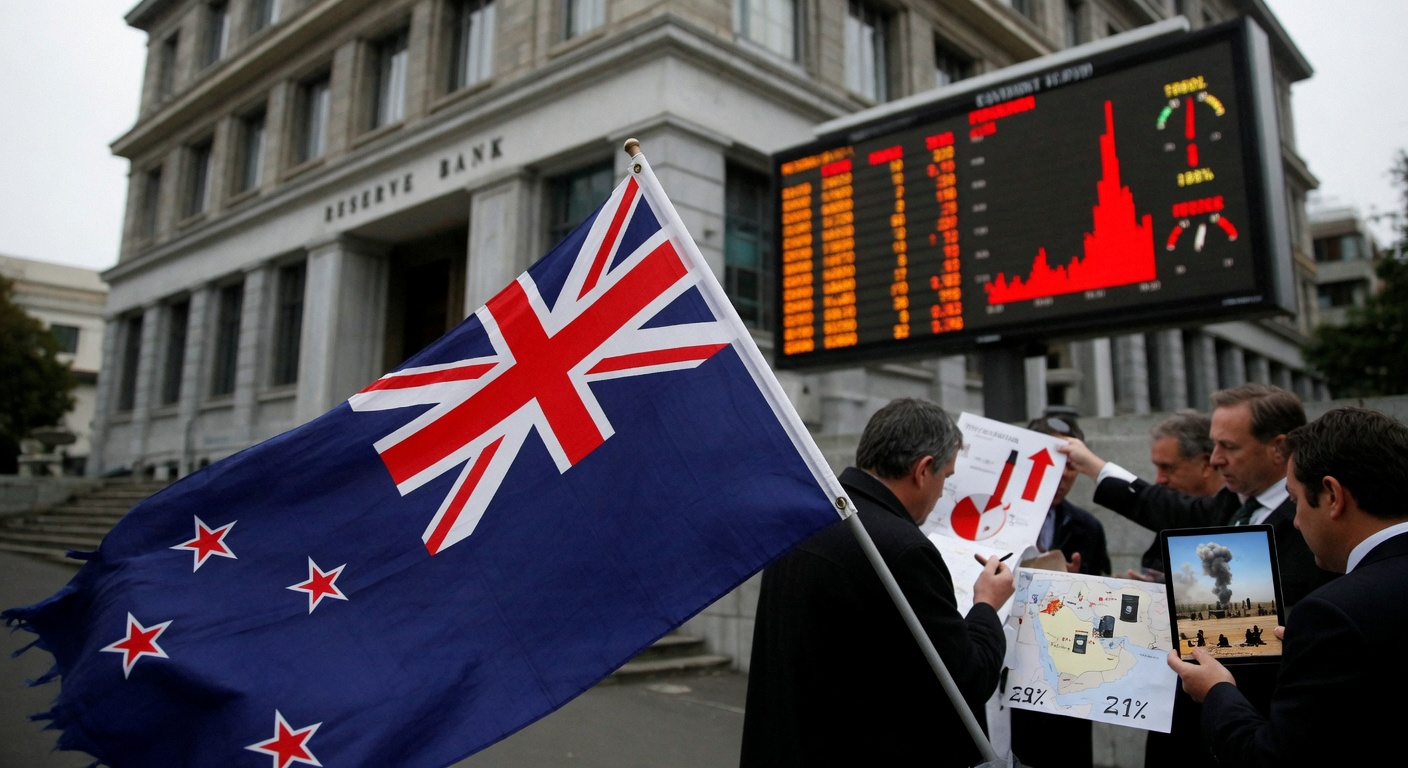
New Zealand Central Bank Narrowly Holds Rates but Signals Future Hikes Amid Inflation Risks
New Zealand Central Bank Narrowly Holds Rates but Signals Future Hikes Amid Inflation Risks
The Reserve Bank of New Zealand kept its cash rate at 2.25% but indicated potential rate increases ahead due to Middle East conflict-driven inflation threats.
AI insight

What this means

The New Zealand central bank may raise borrowing costs soon to fight rising prices tied to overseas conflicts. This could make loans pricier for households and businesses, slowing spending and growth.

Market mechanics

  • NZDUSDupExpected rate hikes attract investors seeking higher returns on New Zealand currency.
  • SPXdownHigher global borrowing costs from rate signals can reduce company profits and stock demand.

What to watch next

  • Next RBNZ interest rate decision
  • New Zealand inflation data releases
  • Middle East conflict updates on oil supply

Central banks use rate hikes to curb inflation, which can strengthen currencies but often pressures stock prices lower.

Generated by AI · Educational only, not financial advice.

AI-synthesized from public market reporting · Updated May 31, 2026, 1:00 PM

Share this story

Spread the signal — link, social or copy.

Related coverage

macrobearish

Fed Officials Signal Readiness to Hike Rates on Inflation Risks

Chicago Fed President Goolsbee and others including Governors Cook and Jefferson, plus Minneapolis Fed's Kashkari, highlighted persistent inflation pressures from the Iran war oil shock and AI investment hype, stating they are prepared to raise rates if disinflation stalls while keeping policy well-positioned at 3.50%-3.75%.

macroneutral

Kevin Warsh Urges Fed to Focus on Alternative Inflation Measures

New Fed Chairman Kevin Warsh is pushing the central bank to consider gauges like trimmed-mean inflation, which stood at 2.3% in the latest reading versus 3.3% for core CPI, when setting interest rates.

macrobearish

US April PCE Inflation Surges to 3.8% YoY, Fastest in Three Years
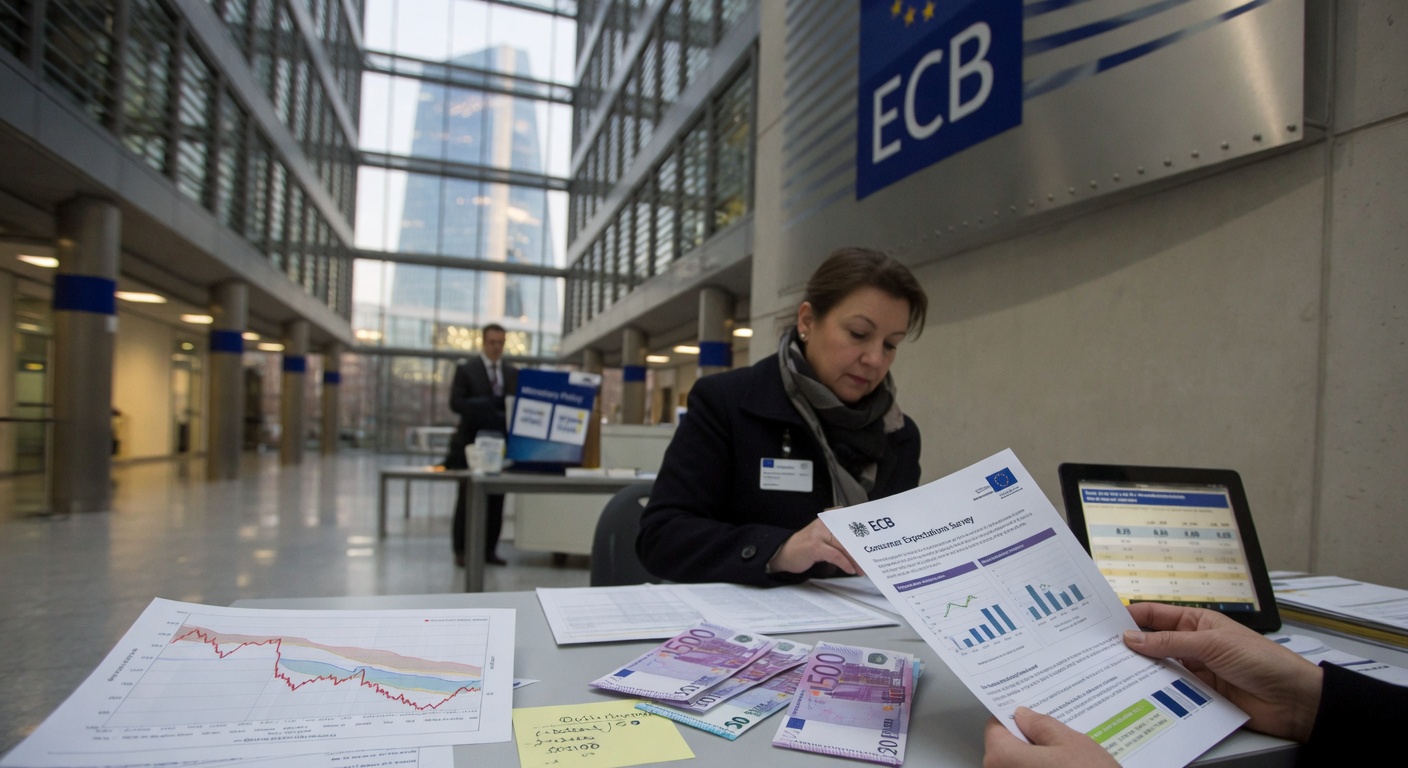
The Personal Consumption Expenditures Price Index jumped 3.8% year-over-year in April, the largest rise since May 2023, driven by higher energy prices from the Iran war. Core PCE advanced 3.3% YoY, well above the Fed's 2% target.

macrobearish

US April PCE Inflation Accelerates to 3.8% YoY

The personal consumption expenditures price index rose 3.8% year-over-year in April, the largest increase since May 2023, driven by higher energy prices amid the Iran conflict; core PCE hit 3.3% annually.

macrobearish

US April Core PCE Inflation Hits 3.3% Annual Rate
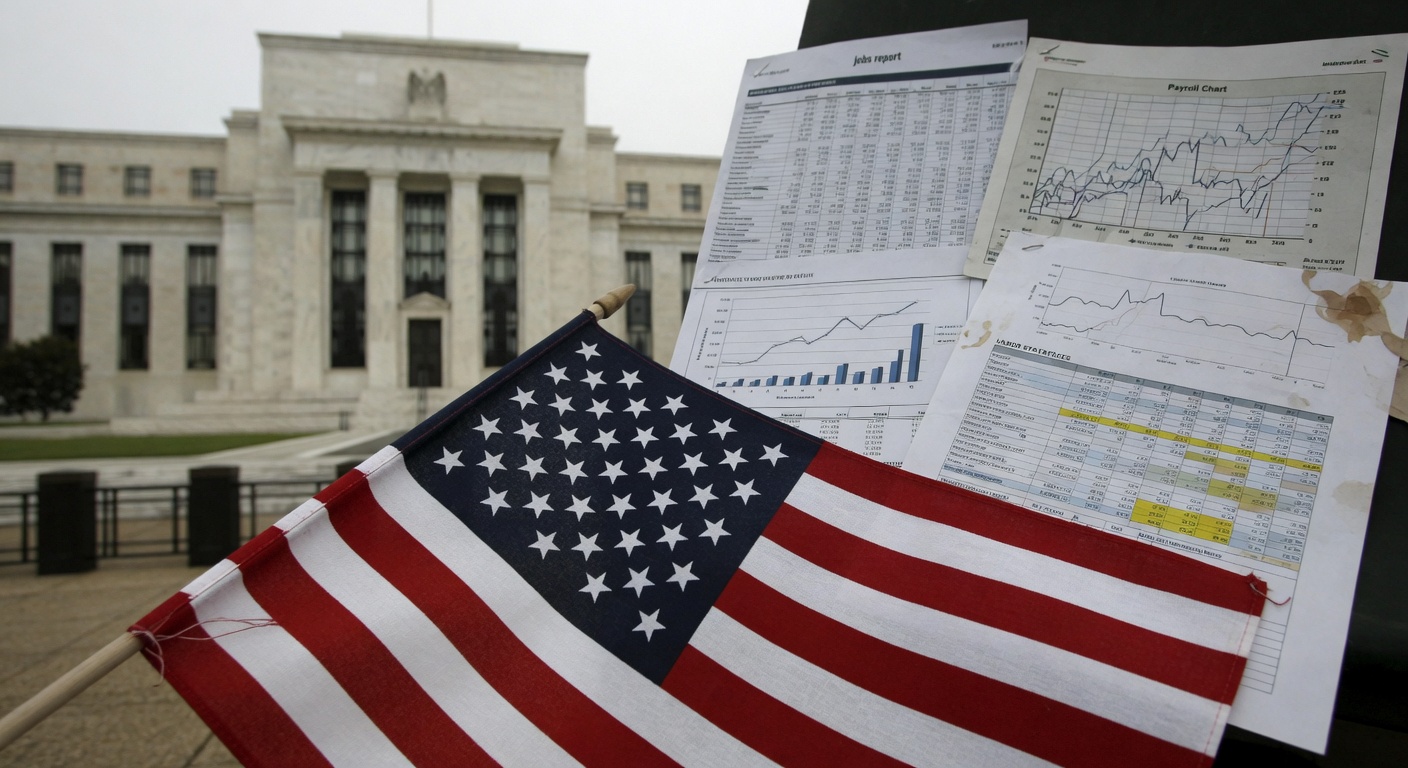
The Fed's preferred core PCE gauge rose 3.3% year-over-year in April, matching expectations, while headline PCE jumped 3.8% YoY, the largest annual increase in three years, driven by energy prices amid the Iran conflict. GDP growth was revised lower to 1.6% annualized for Q1.

macrobearish

Fed Minutes Show Support for Rate Hikes if Inflation Persists Due to Iran War

Federal Reserve officials at the April meeting indicated that some policy firming would likely be needed if inflation remains elevated above 2%, with markets now pricing in potential hikes later in 2026 amid surging oil prices and inflation data. Treasury yields have resumed climbing as traders monitor inflation risks.

HIGH RISK WARNING: Trading Forex and leveraged derivative products (CFDs) or crypto involves significant risk and is not suitable for all investors. Leverage magnifies both gains and losses. You do not own or have rights to the underlying assets. You may lose all your invested capital; never speculate with funds you cannot afford to lose. Information on this site is general and does not constitute personalized financial advice. Past performance does not guarantee future results. Please ensure you fully understand the risks and review our legal documents section.