K-Beauty Sales Surge 48% to $2.8B in U.S. Market
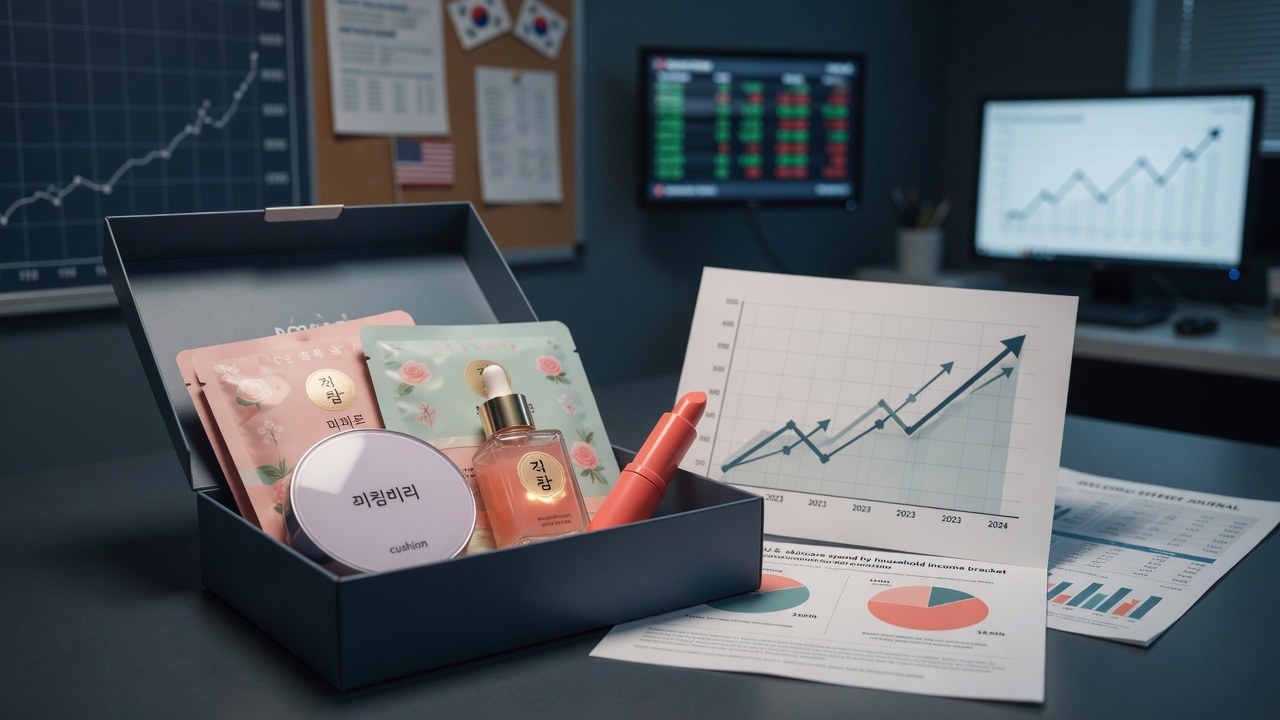
- K-beauty sales hit $2.8 billion in early 2026 with 48% year-over-year growth, outpacing prior periods as household penetration climbs to 28.7%.
The acceleration of Korean beauty products into mainstream U.S. retail channels marks a significant brand and culture catalyst for the consumer staples and beauty sector.
NielsenIQ data shows not only volume growth but also deeper household adoption, driven by K-culture popularity and demand for functional skincare.
This trend benefits established players with K-beauty exposure such as Ulta Beauty and Estée Lauder while pressuring legacy Western skincare brands to accelerate innovation or partnerships.
Morgan Stanley analysts project the category could reach $4 billion by year-end 2026, implying sustained top-line tailwinds for importers, retailers, and adjacent categories like cosmetics and personal care.
Market participants should track upcoming earnings from beauty retailers for commentary on margin expansion from higher-margin K-brands and any shifts in shelf space allocation.
The cultural stickiness also suggests durability beyond a fad, potentially supporting multiple expansion for related equities. Next, watch for new product launches tied to K-entertainment tie-ins and cross-border e-commerce data that could amplify the momentum.
AI insight — what it means
K-beauty products are seeing much stronger demand in the US, which can mean higher sales and profits for companies that make or sell them. Everyday investors may notice this as a positive sign for related businesses in the consumer sector.
Unlock the full AI insight
Free account — takes 10 seconds.
- Why this story matters — explained simply
- How it moves prices, sectors and assets
- What traders and analysts are watching next
Share this story
Spread the signal — link, social or copy.
Related topics
Related coverage

Summer Box Office Off to Strong Start with $161 Million Weekend

'The Devil Wears Prada 2' Delivers Solid $77 Million Opening

US Hybrid Sales Jump 37% as EV Demand Lags Despite Gas Prices
US Retail Sales Drop Sharply, Signaling Consumer Pullback

Hilton Raises 2026 RevPAR Forecast on Luxury Travel Strength