Israeli Strike in South Lebanon Kills Seven, Heightening Regional Risks
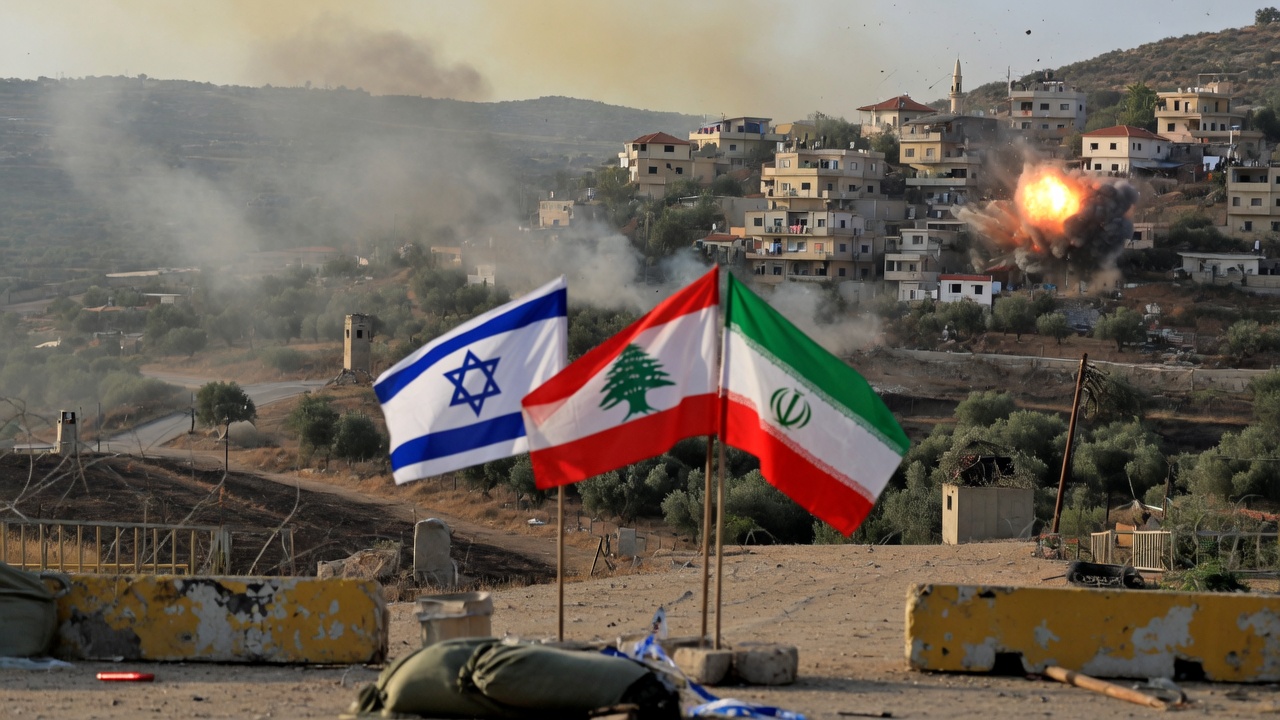
- An Israeli strike killed seven people in south Lebanon on August 15, 2026, adding to Middle East tensions alongside ongoing Iran-related frictions.
The latest Israeli military action in Lebanon underscores persistent cross-border volatility that could draw in wider regional actors and sustain elevated defense spending globally.
Markets are pricing in continued demand for military hardware as investors rotate into defense stocks and related ETFs amid the uncertainty. Safe-haven flows into Treasuries and gold may accelerate if the incident sparks retaliatory measures or broader involvement.
Oil prices could receive additional upward pressure if supply routes face indirect risks from any spillover. Traders should watch Lebanese and Israeli official statements for signs of de-escalation or further strikes, alongside any US diplomatic involvement.
The event reinforces a risk-off bias in equities outside defense and energy sectors, with potential for quick reversals on positive news. Portfolio managers are advised to monitor VIX levels and geopolitical risk indices for hedging opportunities in the coming sessions.
AI insight — what it means
This news about an Israeli strike in Lebanon points to rising tensions in the Middle East. Retail investors should expect possible swings in energy prices and stock markets as uncertainty grows.
Unlock the full AI insight
Free account — takes 10 seconds.
- Why this story matters — explained simply
- How it moves prices, sectors and assets
- What traders and analysts are watching next
Share this story
Spread the signal — link, social or copy.
Related topics
Related coverage
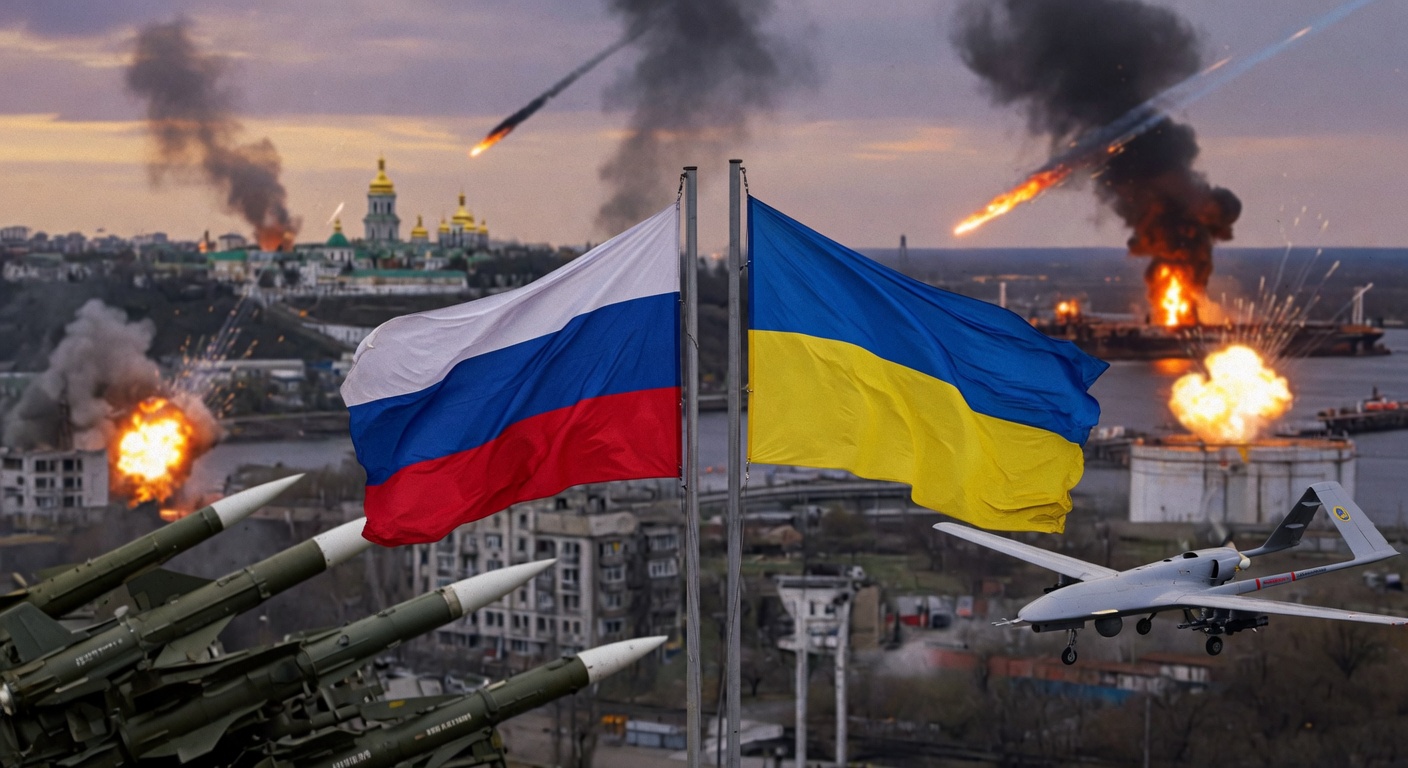
Russia Launches Major Missile and Drone Strikes on Ukraine

US-Iran Ceasefire on 'Life Support' Amid Ongoing Gulf Exchanges
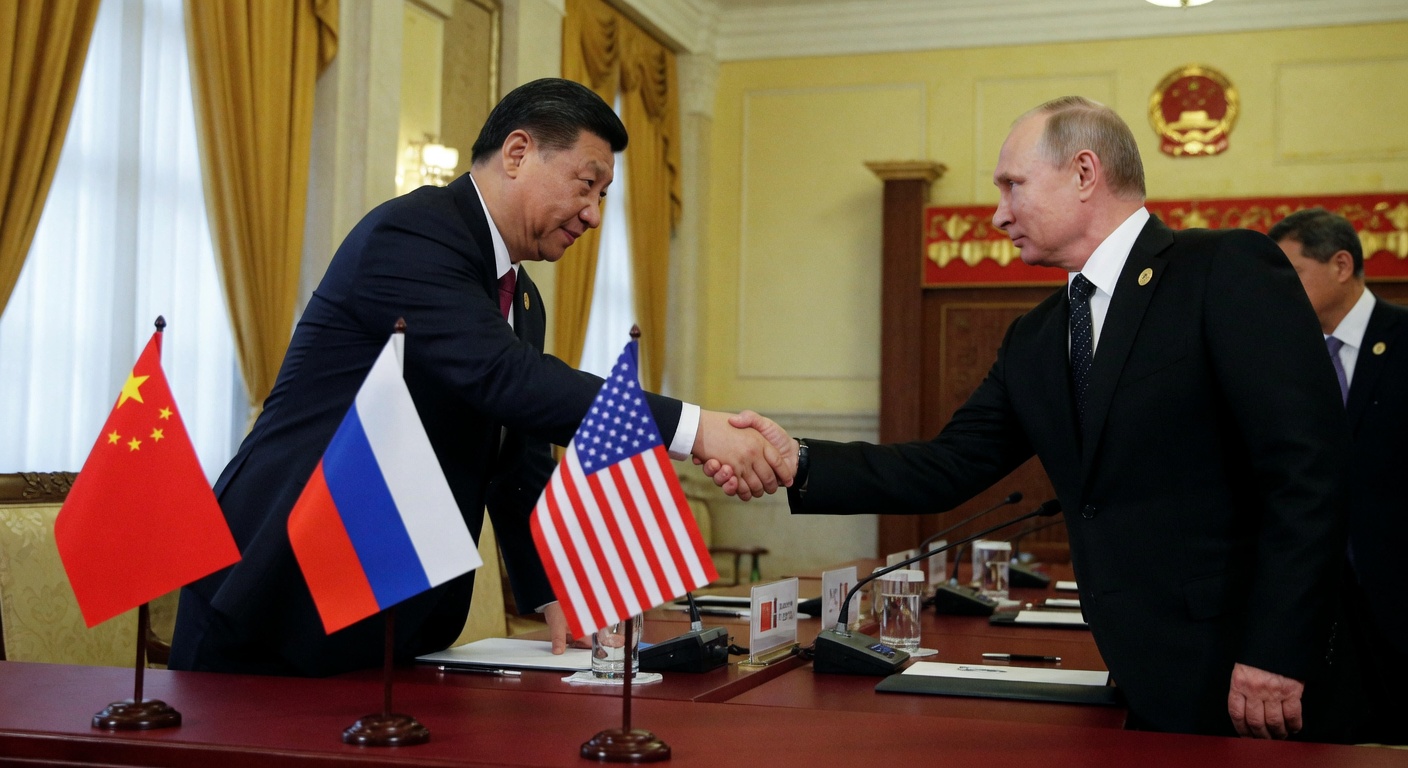
Xi and Putin Meet in Beijing, Condemn US Policies

US Expects Billions in Chinese Farm Purchases Post-Trump-Xi Summit
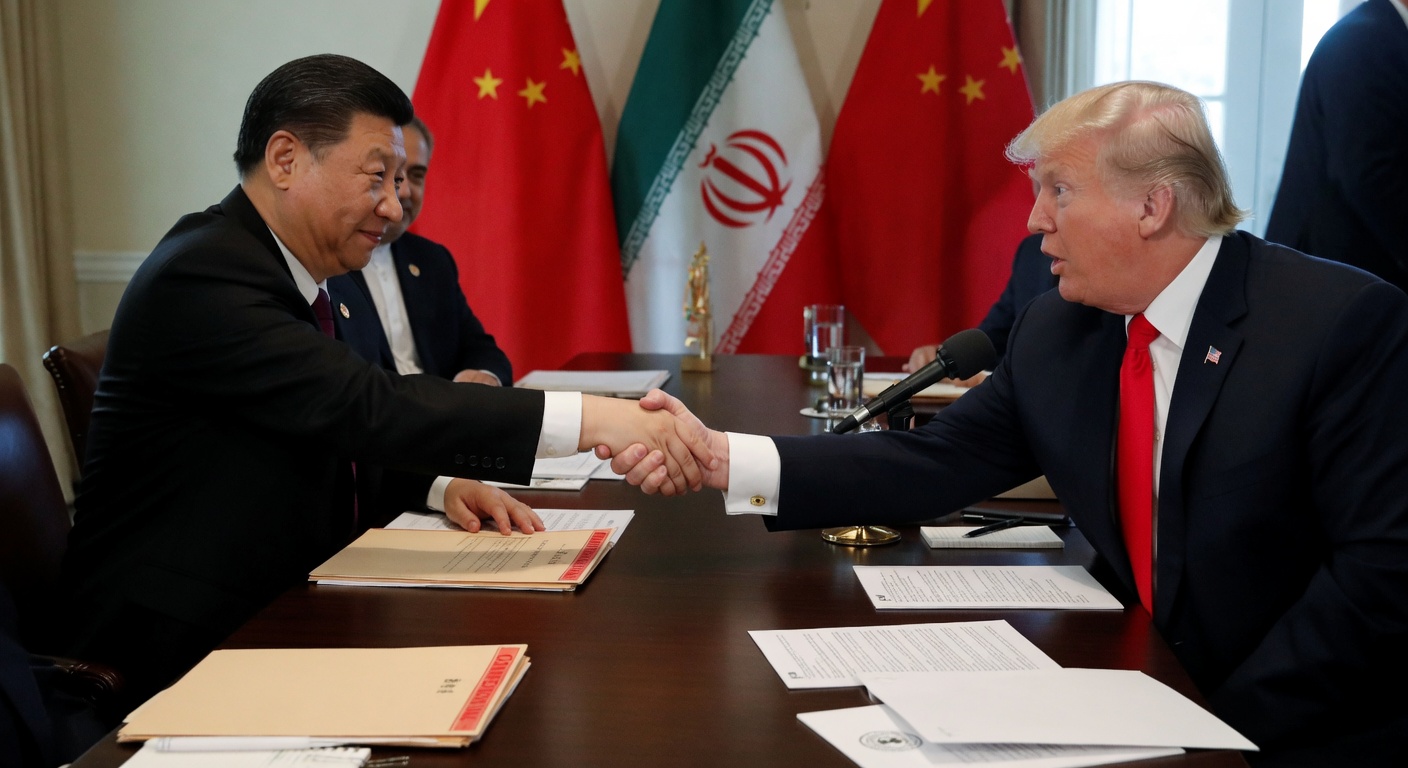
Trump Seeks China's Help to End Iran War During Trade Talks