Iran War Talks Stall Amid New Shipping Attacks and Hormuz Threats
- and Houthi attacks on shipping reported as Iran-U.S.
- ceasefire extension talks show no progress, with Tehran threatening to keep the Strait of Hormuz closed unless conditions are met.
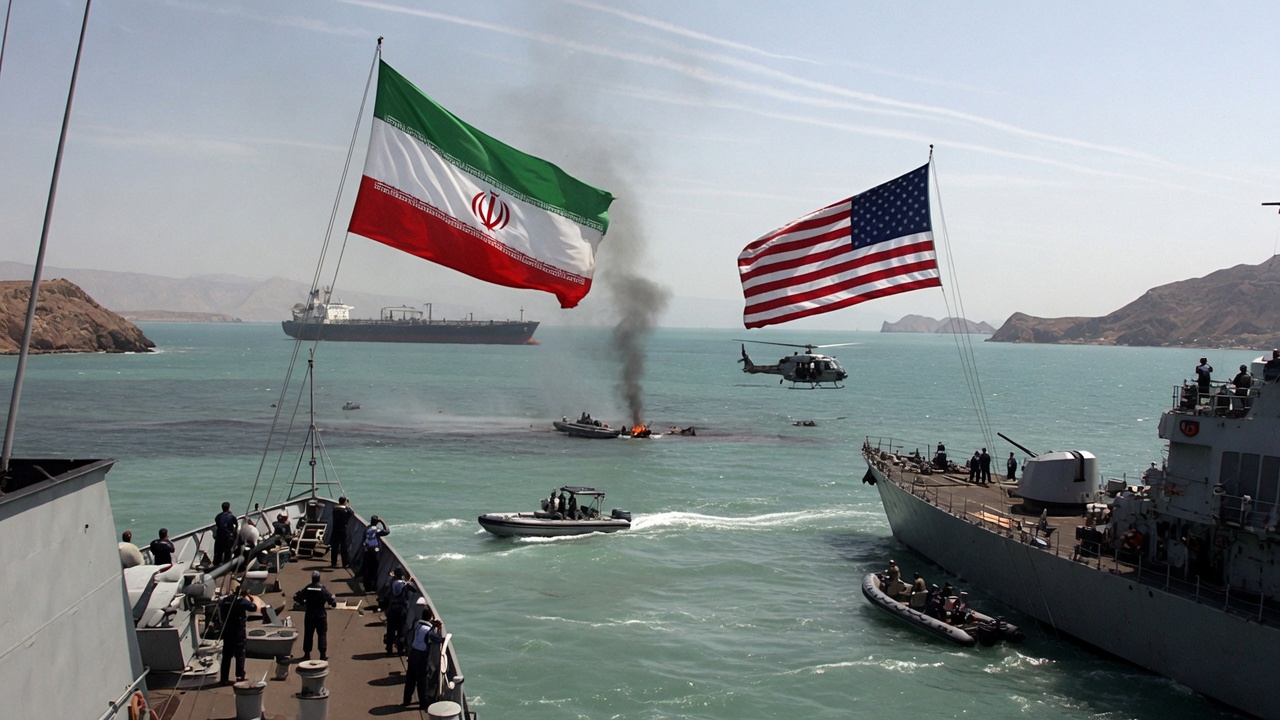
The ongoing Iran conflict, involving U.S. and Israeli military actions against Iranian targets, has entered a critical phase with fresh attacks on commercial vessels in the Red Sea and Gulf of Oman.
Shipping traffic through the Strait of Hormuz has dropped to a one-week low, reflecting heightened risks from Iranian threats to close the vital chokepoint for global oil flows.
Senior Iranian officials stated there is no progress on reviving an interim peace deal or extending ceasefire arrangements, dimming hopes for de-escalation. This impasse follows earlier U.S. strikes and Iranian retaliation, exacerbating regional instability.
The situation directly impacts energy markets as reduced Hormuz traffic tightens supply, supporting higher crude prices amid already elevated levels from prior disruptions. Defense contractors stand to benefit from sustained military engagements and potential additional U.S.
strikes, while investors flock to safe-haven assets like gold and government bonds. Traders should monitor daily shipping data from the Strait, any signals from Tehran or Washington on renewed talks, and OPEC+ responses to supply constraints.
Escalation risks could push oil toward $100+ benchmarks, boosting energy equities but pressuring broader equities through inflation fears. Conversely, any breakthrough in diplomacy might trigger sharp reversals in these assets.
The interplay with Russian oil sanctions and Ukrainian port issues adds layers, as halted Ukrainian strikes on Russian tankers at U.S. urging could indirectly support Moscow's revenues from higher prices.
Overall, this geopolitical flare-up prioritizes volatility in oil, defense, and havens over the next sessions.
AI insight — what it means
Rising tensions around the Strait of Hormuz and stalled talks mean possible disruptions to oil shipments through a key route. This can push energy prices higher and add uncertainty for global trade and stocks.
Unlock the full AI insight
Free account — takes 10 seconds.
- Why this story matters — explained simply
- How it moves prices, sectors and assets
- What traders and analysts are watching next
Share this story
Spread the signal — link, social or copy.
Related topics
Related coverage
Russia Launches Major Missile and Drone Strikes on Ukraine
US-Iran Ceasefire on 'Life Support' Amid Ongoing Gulf Exchanges
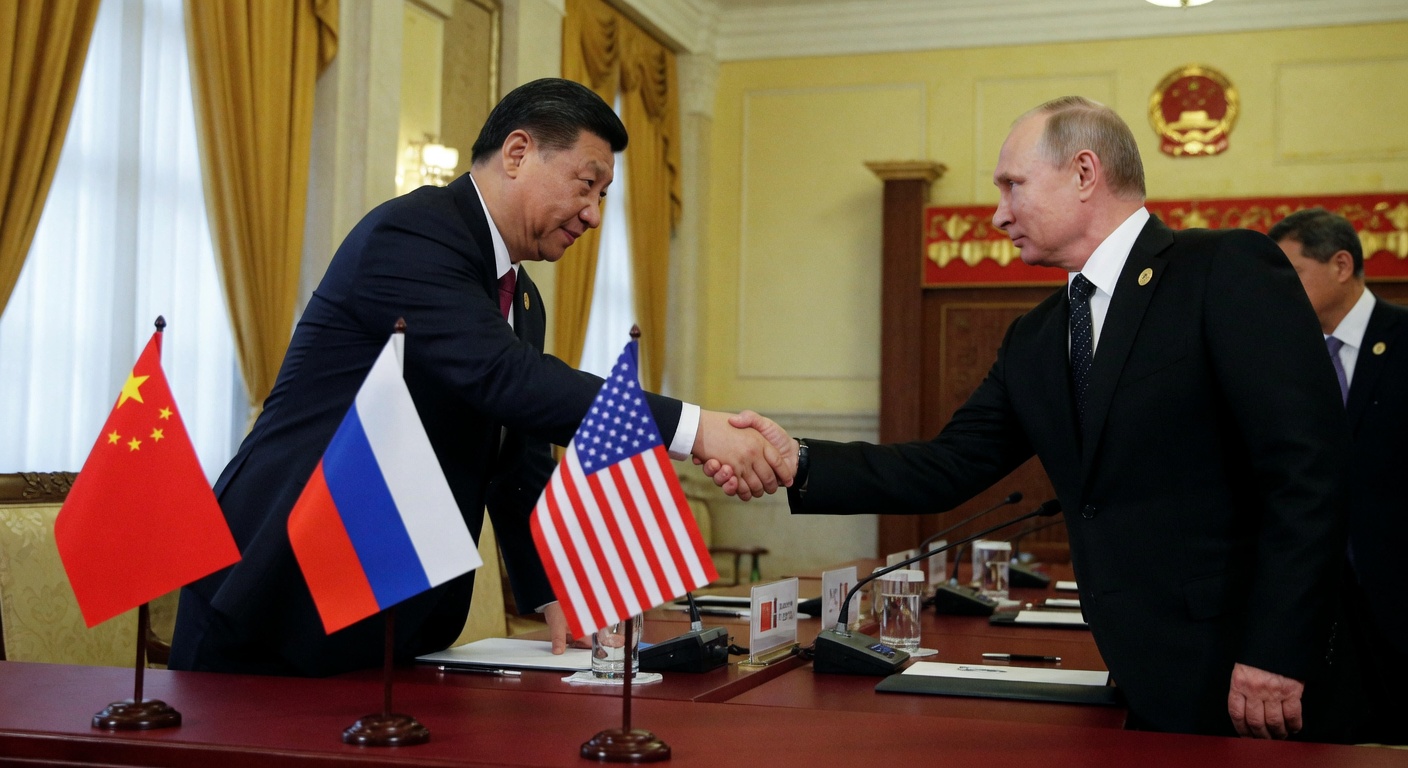
Xi and Putin Meet in Beijing, Condemn US Policies
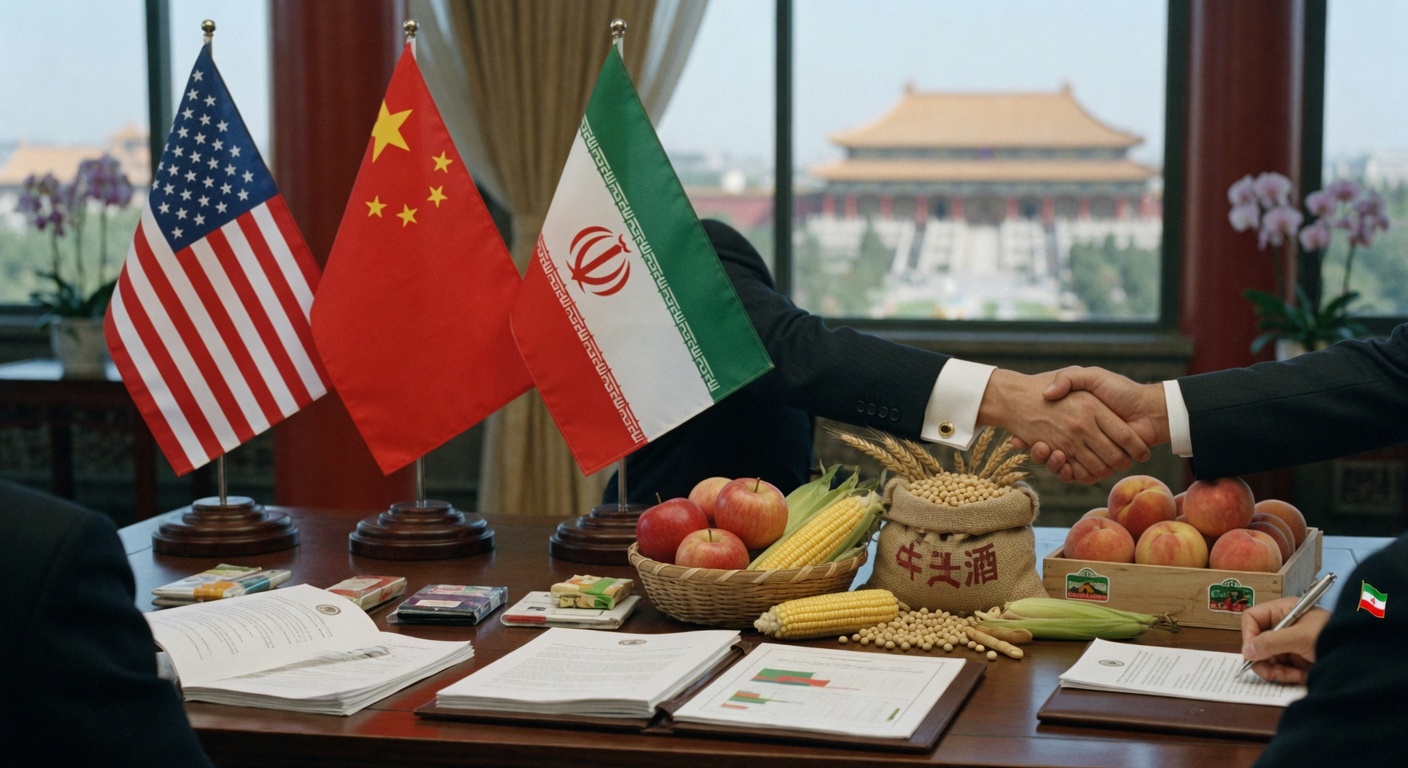
US Expects Billions in Chinese Farm Purchases Post-Trump-Xi Summit
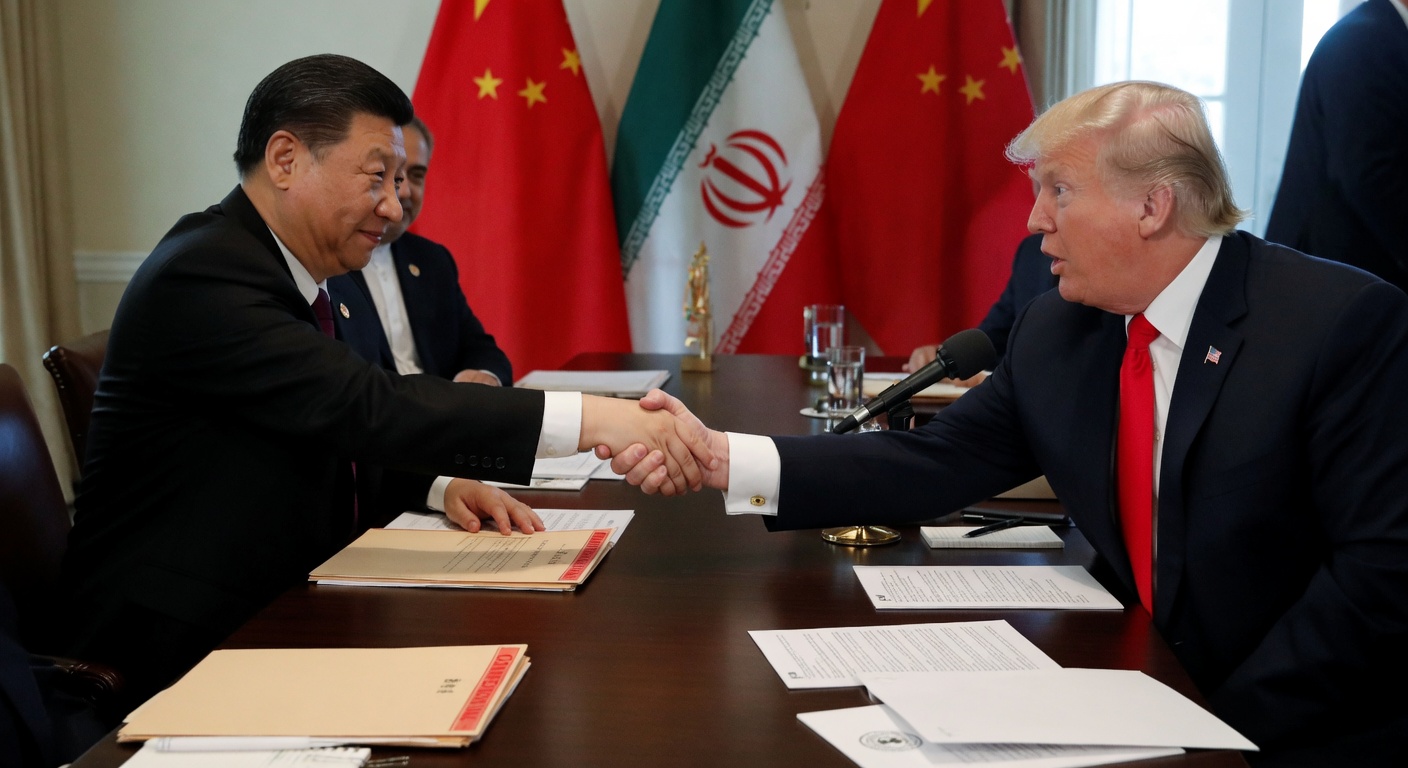
Trump Seeks China's Help to End Iran War During Trade Talks