Iran Maintains Hormuz Restrictions Amid Failed Ceasefire Talks
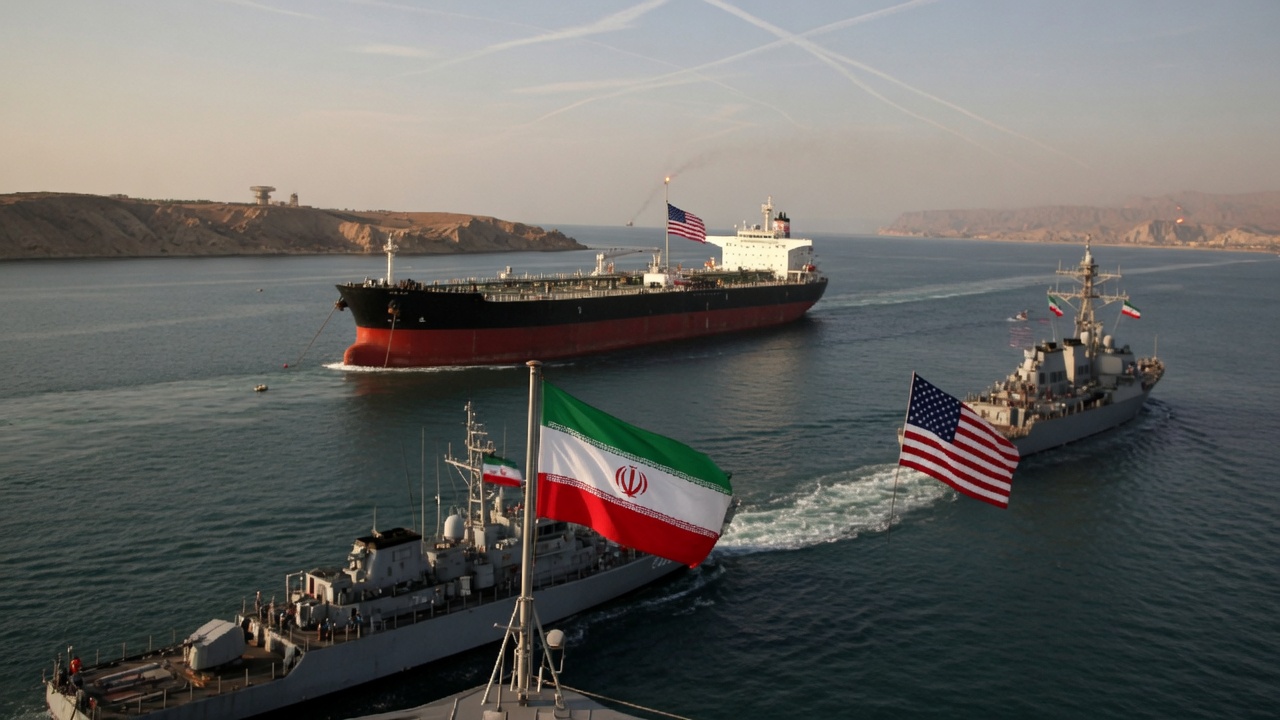
- Iran stated the Strait of Hormuz will remain largely shut until the US meets interim deal conditions, with crossings staying in single digits as of August 18, 2026.
The ongoing standoff between the United States and Iran over the Strait of Hormuz continues to dominate geopolitical headlines into mid-August 2026, with Tehran refusing to fully reopen the vital waterway despite earlier ceasefire overtures.
Recent reports indicate Iran is conditioning any easing on specific US concessions in interim agreements, while Washington has ruled out extending existing truces. This has kept tanker traffic severely constrained, with data showing only minimal increases over the weekend.
The situation stems from the broader Iran war that escalated earlier in the year, involving strikes, tanker attacks, and disputes over regional influence and energy flows.
Traders are closely monitoring any diplomatic signals from intermediaries like Pakistan or Turkey, as even small shifts could alter risk premiums.
Oil markets remain highly sensitive, with prices supported by supply uncertainty but vulnerable to de-escalation news that could trigger sharp selloffs below key support levels. Defense contractors stand to benefit from sustained tensions, as NATO and US military postures harden.
Safe-haven assets like gold and Treasuries see mixed flows, with investors rotating based on inflation signals from energy costs.
Next to watch: Any high-level statements from Trump administration officials or Iranian responses to proposed deals, alongside weekly tanker tracking data and OPEC+ production comments.
Prolonged closure risks pushing Brent toward $100+ again, pressuring equities and boosting energy sector outperformance.
AI insight — what it means
The news means a major oil shipping route stays restricted, which can limit global oil supply and raise energy costs. This creates uncertainty that often weighs on stock markets and increases volatility for everyday investors.
Unlock the full AI insight
Free account — takes 10 seconds.
- Why this story matters — explained simply
- How it moves prices, sectors and assets
- What traders and analysts are watching next
Share this story
Spread the signal — link, social or copy.
Related topics
Related coverage
Russia Launches Major Missile and Drone Strikes on Ukraine
US-Iran Ceasefire on 'Life Support' Amid Ongoing Gulf Exchanges
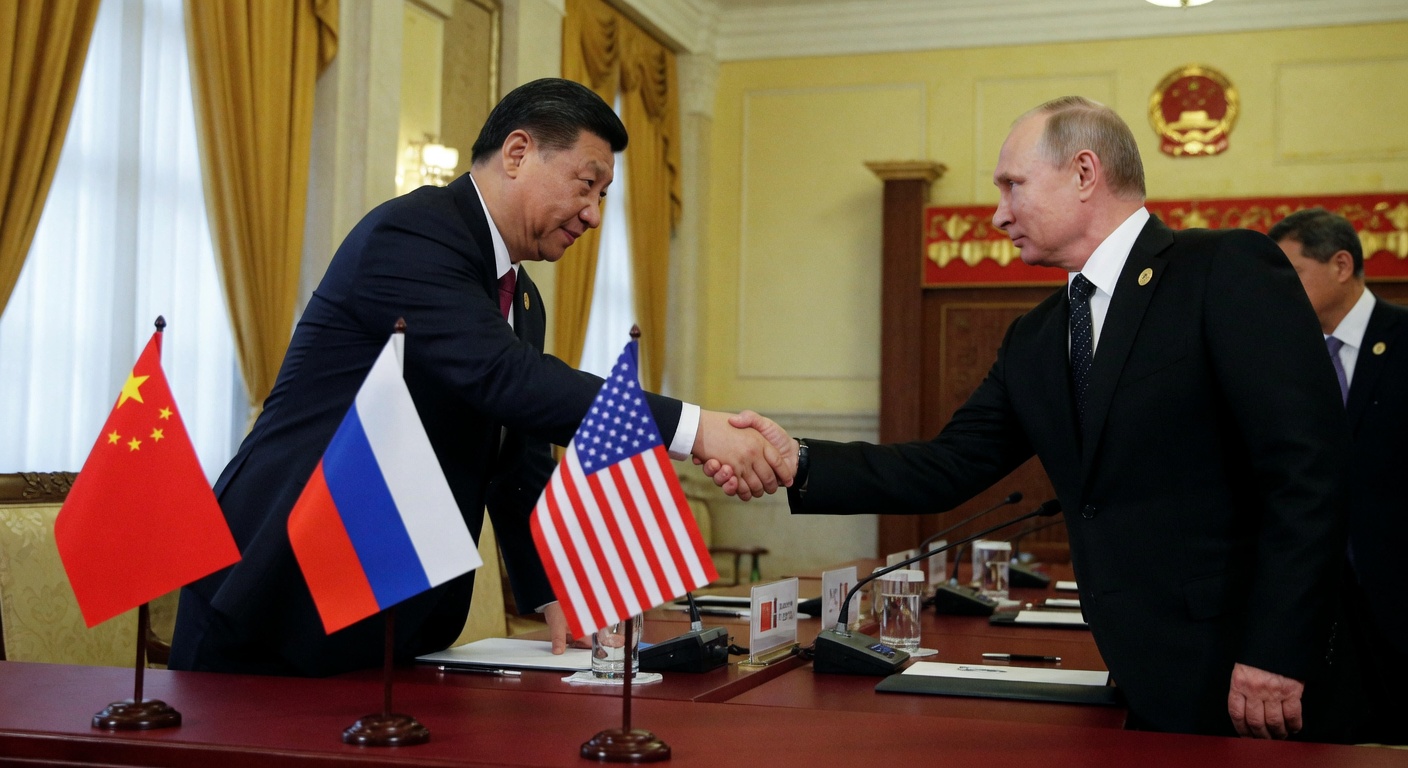
Xi and Putin Meet in Beijing, Condemn US Policies
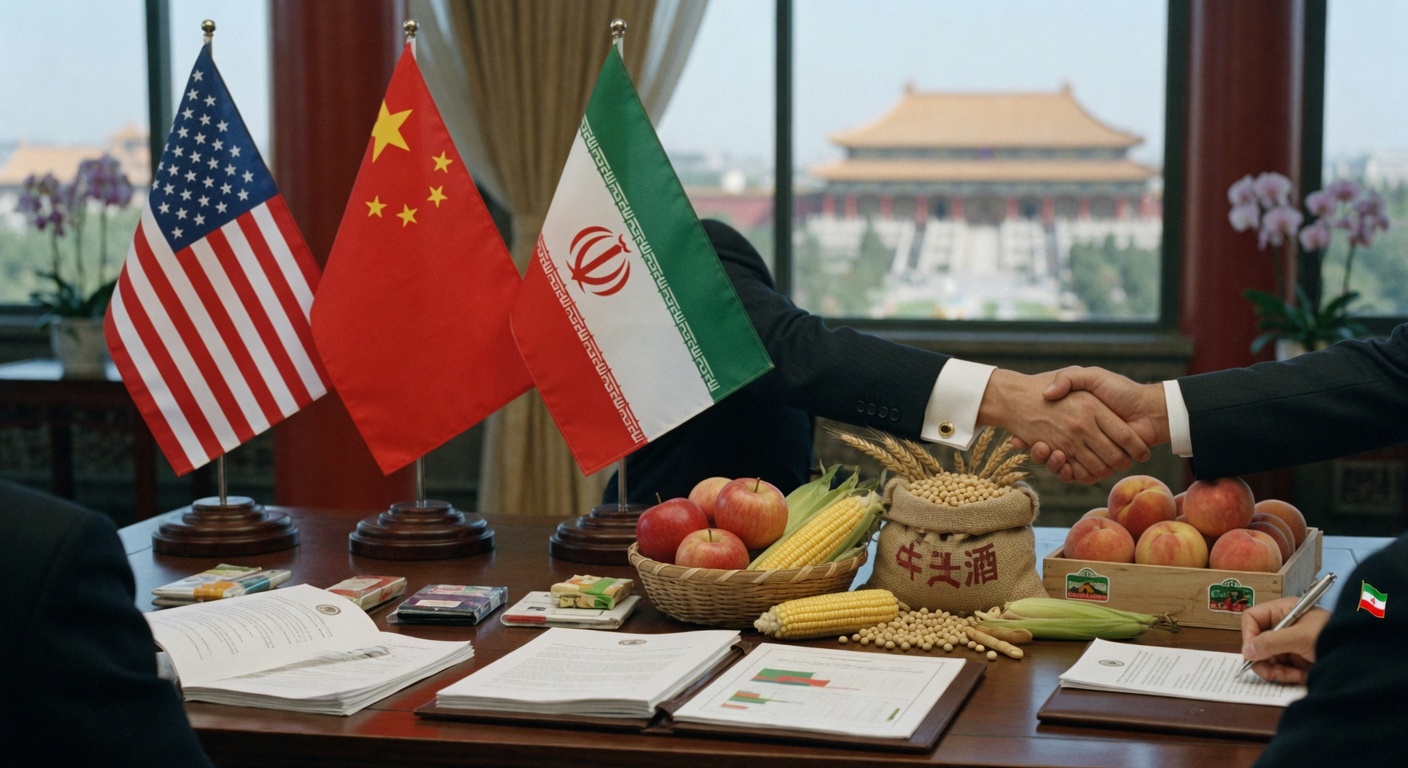
US Expects Billions in Chinese Farm Purchases Post-Trump-Xi Summit
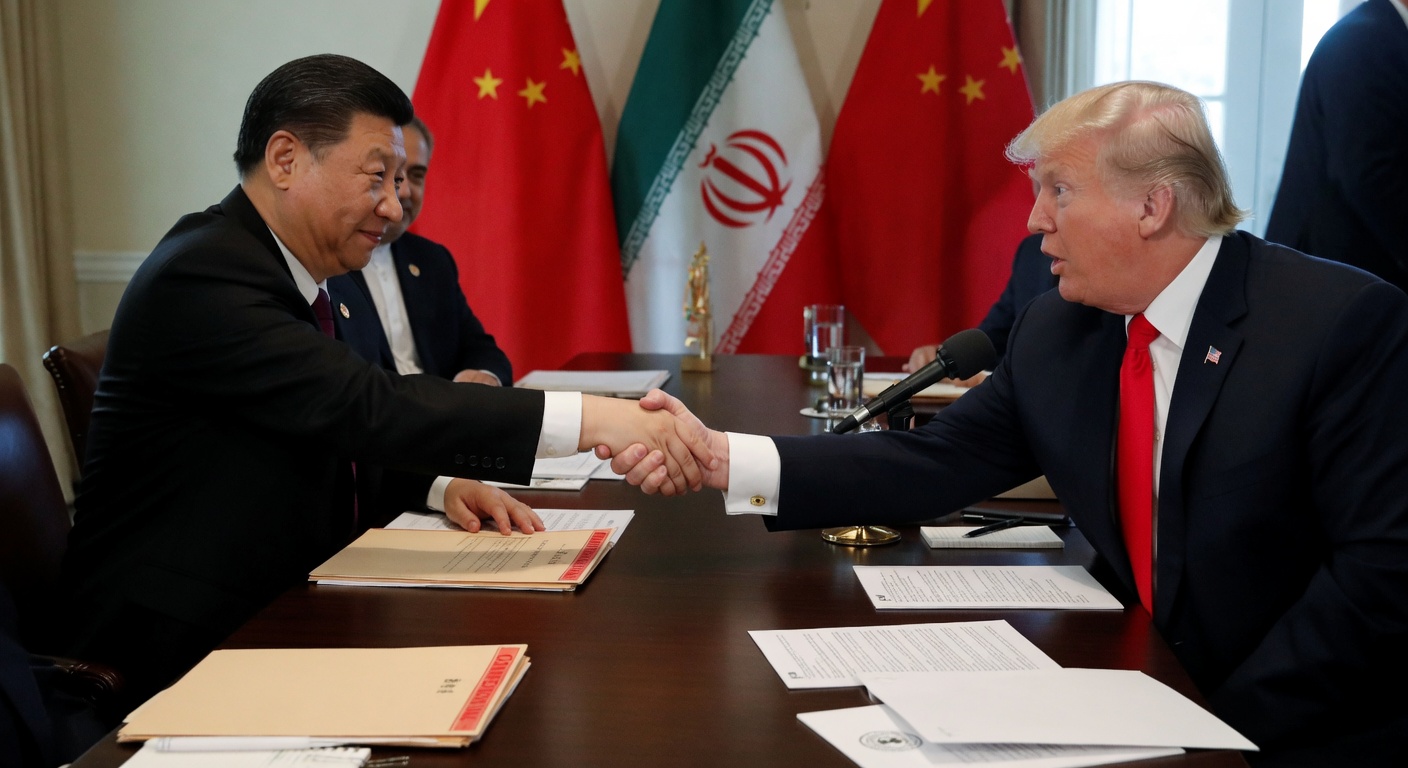
Trump Seeks China's Help to End Iran War During Trade Talks