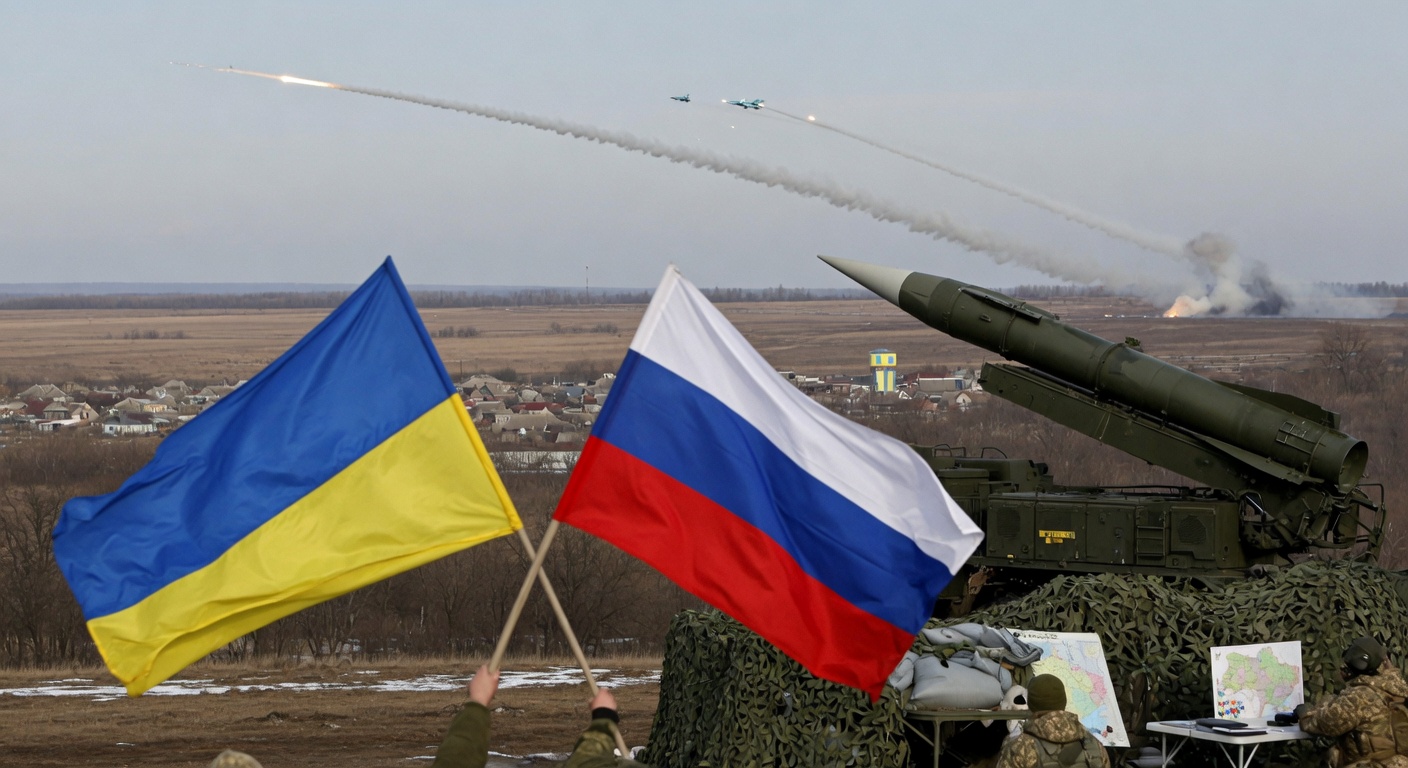
EU Readies Sweeping New Sanctions Package on Russia
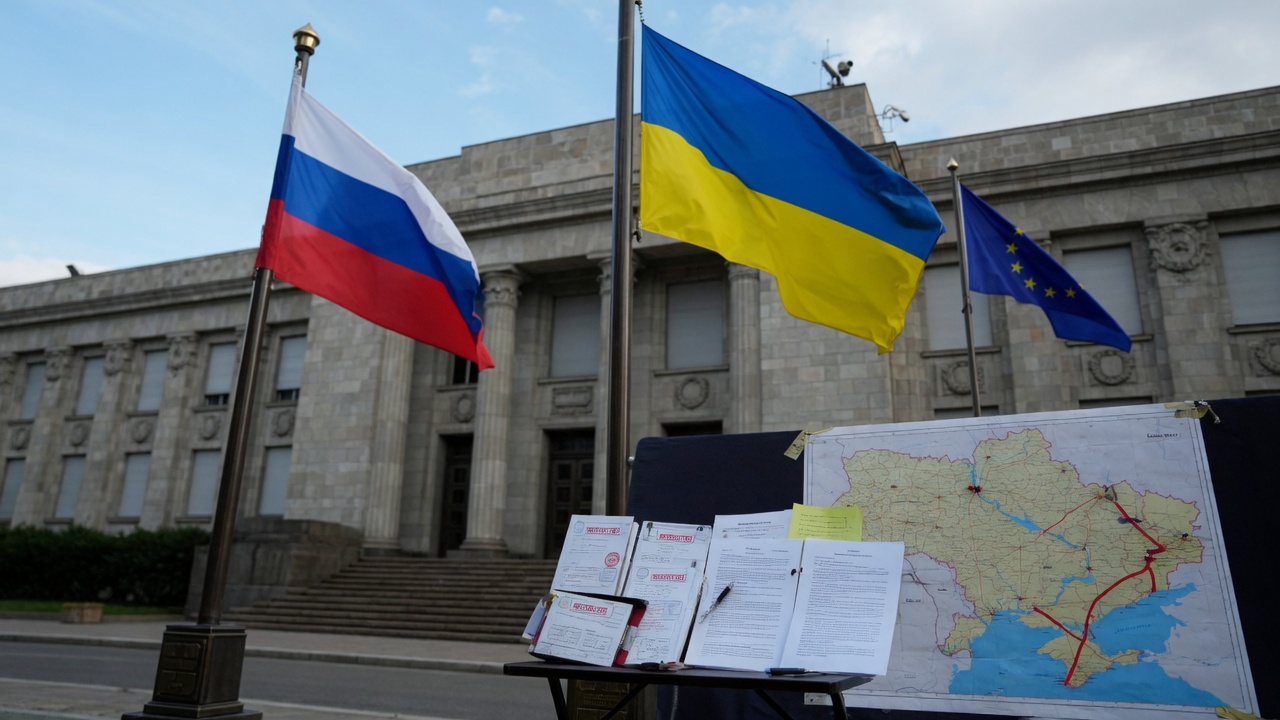
- The European Union is preparing its most far-reaching sanctions package against Russia yet, set for rollout in autumn.
- The measures target additional sectors and entities amid the ongoing Ukraine conflict.
EU foreign policy chief announcements on August 17, 2026, confirmed plans for an expansive new sanctions regime against Russia scheduled for autumn implementation.
Building on previous rounds that have already curtailed Russian energy exports and financial access, the upcoming package is described as the broadest to date, likely encompassing further restrictions on dual-use goods, shadow fleet shipping, and third-country facilitators.
This escalation occurs against the backdrop of Russia's prolonged war in Ukraine, where Western support remains critical.
Markets have reacted with modest upward pressure on European defense stocks, as sustained sanctions reinforce the need for long-term military aid and domestic production ramp-ups.
Energy markets see indirect effects through continued constraints on Russian crude and LNG, supporting higher global prices alongside the Iran situation.
Safe-haven flows into euro-denominated assets could intensify if the sanctions signal unified EU resolve, though implementation risks and enforcement gaps may limit immediate impact.
The driving factors include stalled battlefield progress and Russia's adaptation via parallel import channels and alliances with non-Western suppliers.
Traders must watch for the exact scope of the autumn measures, any retaliatory Russian energy cutoffs, and compliance costs for global banks and shipping firms. Defense and energy equipment sectors appear well-positioned, while broader European equities may face volatility from higher input costs.
Monitoring EU-Russia diplomatic channels and Ukrainian battlefield updates will be essential for gauging further escalation risks.
AI insight — what it means
The EU plans tougher penalties on Russian sectors and companies over the Ukraine conflict. This could raise costs for energy and trade while boosting spending in areas like defense.
Unlock the full AI insight
Free account — takes 10 seconds.
- Why this story matters — explained simply
- How it moves prices, sectors and assets
- What traders and analysts are watching next
Share this story
Spread the signal — link, social or copy.
Related topics
Related coverage
Russia Launches Major Missile and Drone Strikes on Ukraine
US-Iran Ceasefire on 'Life Support' Amid Ongoing Gulf Exchanges
Xi and Putin Meet in Beijing, Condemn US Policies
US Expects Billions in Chinese Farm Purchases Post-Trump-Xi Summit
Trump Seeks China's Help to End Iran War During Trade Talks