Dow Jones Falls 374 Points as US-Iran Conflict Escalates
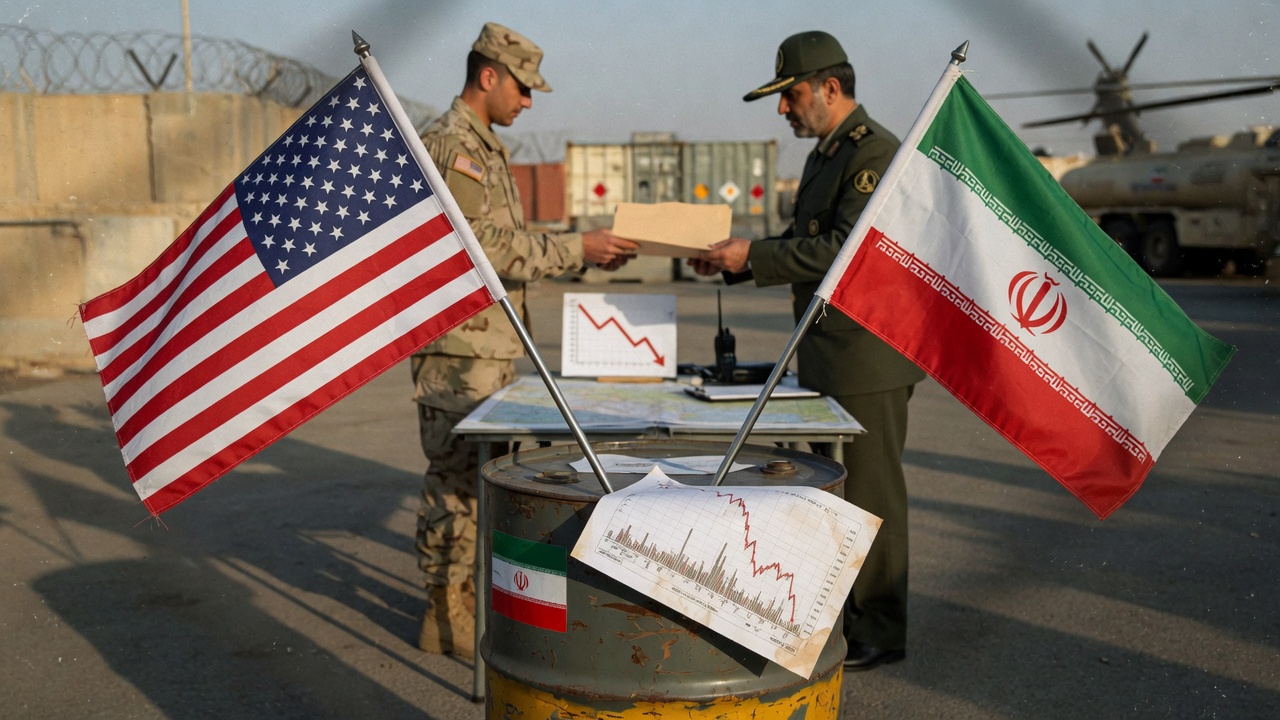
- On August 31, 2026, the Dow Jones Industrial Average dropped 374.09 points or 0.70% to 53,185.90 amid renewed US-Iran military exchanges and rising oil prices above $90 per barrel.
The sharp decline in the Dow Jones Industrial Average on August 31, 2026, reflects heightened geopolitical risks stemming from escalated military actions between the US and Iran, including reported strikes and counter-responses that have reignited fears of broader regional instability in the Middle East.
This event directly pressured equity markets as investors fled risk assets, with the benchmark index closing lower alongside the S&P 500 and Nasdaq, marking a cautious end to what had been a generally positive August for US stocks.
The selloff was exacerbated by a surge in oil prices, which climbed more than 2% to breach $90 a barrel, stoking inflation concerns and pushing the 10-year US Treasury yield above 4.75% for the first time since early 2025, signaling a global bond market rout.
Energy sector names bucked the trend with gains exceeding 2%, while defensives like utilities and industrials suffered outsized losses of around 1.2%, highlighting a classic rotation toward commodity-linked assets during periods of supply disruption risk.
Traders should monitor incoming data on oil inventories, any diplomatic de-escalation signals from Washington or Tehran, and upcoming Federal Reserve commentary for clues on whether persistent inflation from higher energy costs could delay rate cuts.
The episode underscores how geopolitical flashpoints can override positive corporate fundamentals in the short term, with September historically a weak month for equities adding to the caution.
Broader implications include potential spillover to global supply chains, shipping costs in the Strait of Hormuz, and currency volatility, particularly for the dollar which weakened modestly.
Portfolio managers may consider hedging with energy futures or volatility products while watching for any big-cap earnings that could provide counter-narrative support in the coming sessions.
AI insight — what it means
The stock market fell because fighting between the US and Iran pushed oil prices higher. Higher oil costs can hurt company profits and make investors more nervous about buying stocks.
Unlock the full AI insight
Free account — takes 10 seconds.
- Why this story matters — explained simply
- How it moves prices, sectors and assets
- What traders and analysts are watching next
Share this story
Spread the signal — link, social or copy.
Related topics
Related coverage

S&P 500 and Nasdaq Rally on Tech Earnings Beat

Quantum Computing Stocks Surge on U.S. Government $2B Funding and Equity Stakes
Dow Jones Hits New Record Close, S&P 500 Posts Eighth Winning Week

Dow Jones Closes at Record High of 50,579.70

Nvidia Reports Strong Q1 Earnings but Shares Decline Amid Oil Spike