MAEXO
macrobearishPublished May 22, 2026, 8:00 AM

Dangerous Mix of Debt, Inflation, and Populism Rattles Bond Markets
Dangerous Mix of Debt, Inflation, and Populism Rattles Bond Markets
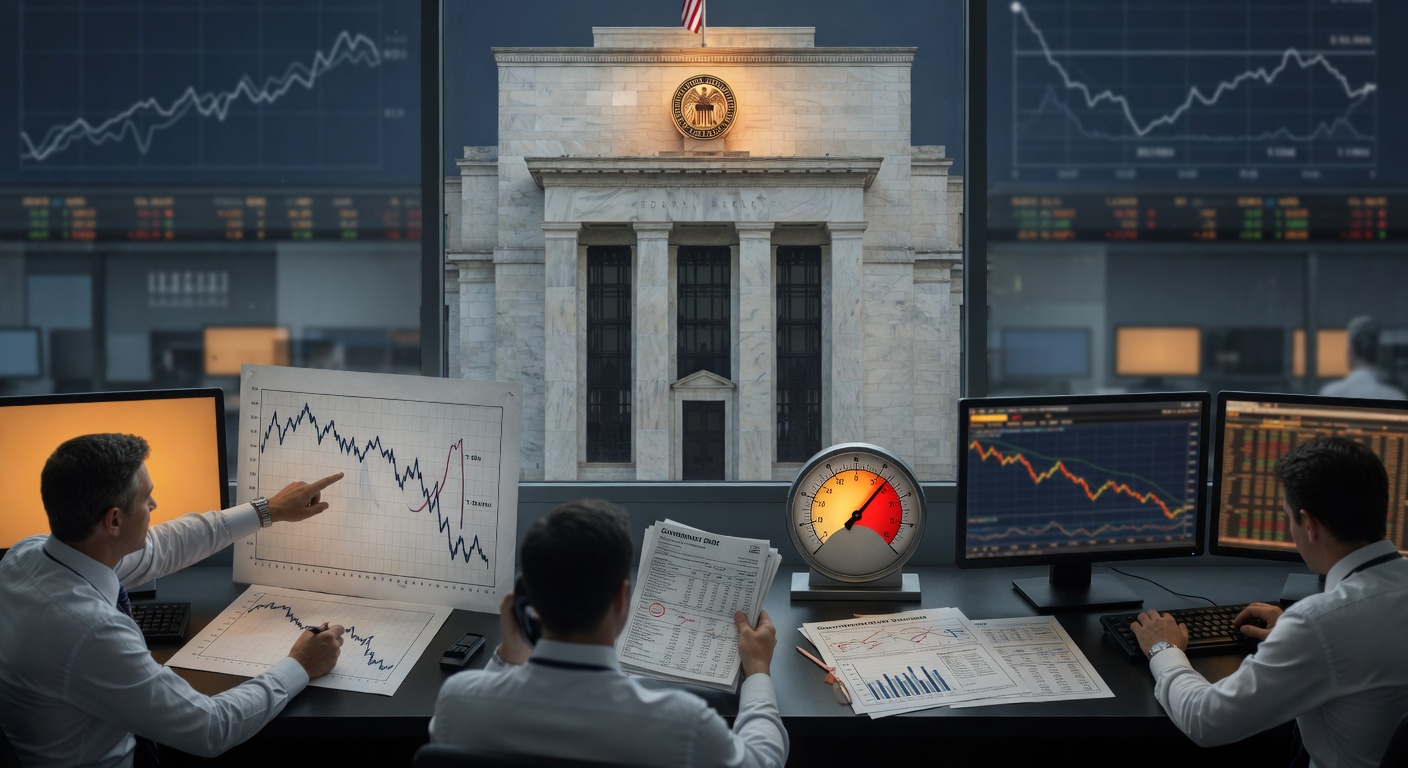
A combination of high government borrowing, inflation stuck above the Fed's 2% target since 2022, and heavy corporate debt has driven long-term yields higher, with fading hopes for further Fed cuts contributing to the surge in rates. The article highlights how this environment has fundamentally shifted the interest rate landscape.
AI insight

What this means

Higher government borrowing and prices staying high are pushing up the cost of borrowing money for long periods. This shift could mean slower business growth and weaker stock performance for everyday investors.

Market mechanics

  • SPXdownHigher borrowing costs reduce company profits and make stocks less attractive to buyers.

What to watch next

  • Next Fed interest rate decision
  • Latest inflation data releases
  • Corporate earnings showing debt costs

Rising borrowing costs from debt and inflation often lead to slower economic activity and lower asset prices over time.

Generated by AI · Educational only, not financial advice.

AI-synthesized from public market reporting · Updated May 22, 2026, 8:00 AM

Share this story

Spread the signal — link, social or copy.

Related coverage

macrobearishWTI

US PCE Inflation Gauge Nears 4% on War-Driven Energy Spike

The Federal Reserve’s favored PCE price index is approaching 4% as energy costs surge due to the Iran conflict, with April data expected to show a 3.8% year-over-year rise—the largest two-month acceleration since late 2021.

macrobearishWTI

Fed's Favored Inflation Gauge Nears 4% on Iran War Energy Spike

The Federal Reserve’s preferred PCE inflation measure is rapidly approaching 4% year-over-year, with an 8% surge in April driven by energy costs from the Iran conflict, marking the largest two-month acceleration since late 2021.

macrobearish

US Consumer Sentiment Hits Record Low Amid Iran War Inflation Fears

The University of Michigan's Consumer Sentiment Index fell to a final reading of 44.8 in May, an all-time low, from 48.2 in the preliminary reading and 49.8 in April, driven by surging gasoline prices linked to the Iran conflict and rising long-term inflation expectations.

macroneutral

Indonesia Central Bank Hikes Rates 50bps to Support Rupiah

Bank Indonesia raised its 7-day reverse repo rate by 50 basis points to 5.25% on May 20, larger than economists expected, for the first time in two years to bolster the rupiah at record lows. The bank kept its 2026 growth outlook at 4.9%-5.7%.

macrobearish

Fed Minutes Show Support for Rate Hikes if Inflation Persists Due to Iran War

Federal Reserve officials at the April meeting indicated that some policy firming would likely be needed if inflation remains elevated above 2%, with markets now pricing in potential hikes later in 2026 amid surging oil prices and inflation data. Treasury yields have resumed climbing as traders monitor inflation risks.

macrobearish

Kevin Warsh sworn in as Fed Chair amid Iran war-driven inflation pressures

Kevin Warsh was sworn in as the new Federal Reserve Chair on May 22, 2026. Wall Street is betting on a US rate hike by year-end as the Iran conflict intensifies inflation, pushing expectations for higher borrowing costs.

HIGH RISK WARNING: Trading Forex and leveraged derivative products (CFDs) or crypto involves significant risk and is not suitable for all investors. Leverage magnifies both gains and losses. You do not own or have rights to the underlying assets. You may lose all your invested capital; never speculate with funds you cannot afford to lose. Information on this site is general and does not constitute personalized financial advice. Past performance does not guarantee future results. Please ensure you fully understand the risks and review our legal documents section.