Canada Faces 50% US Tariffs as Trade Negotiations Stall
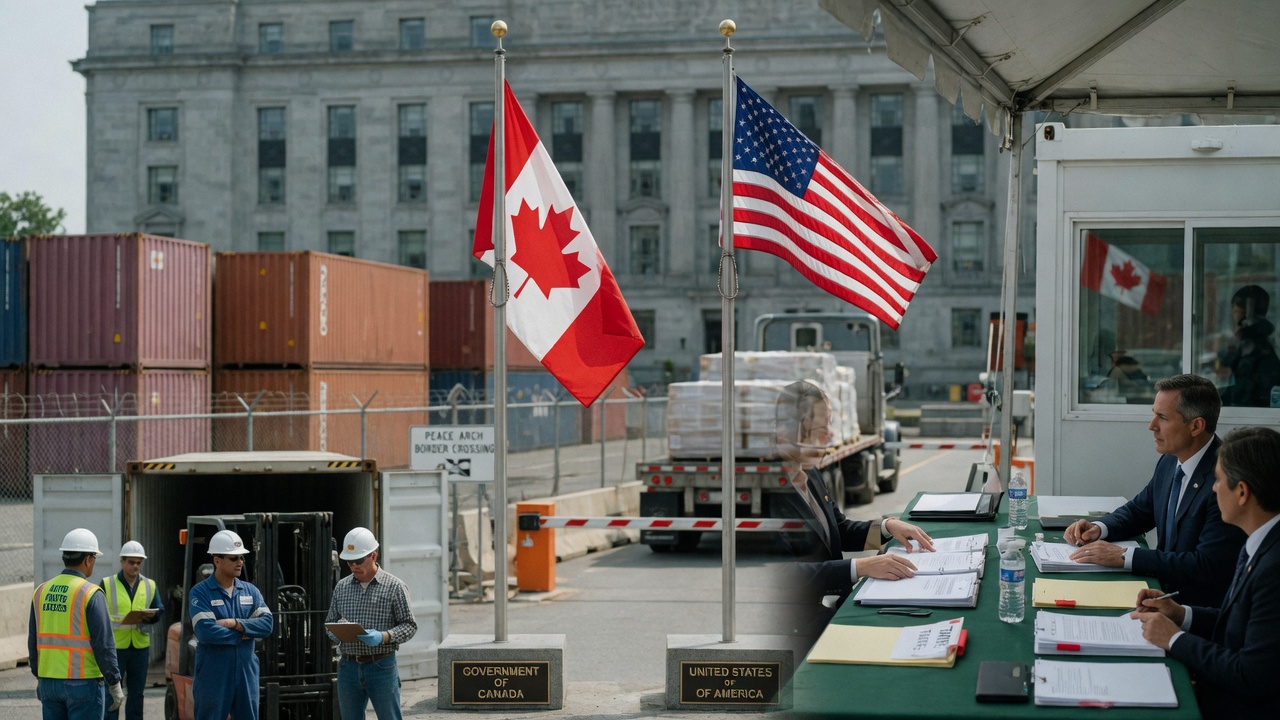
- Canada is bracing for new 50% US tariffs on a range of goods starting this week under a 1930 law, with negotiators remaining far apart on broader USMCA issues.
- Businesses warn of job losses in struggling sectors.
US-Canada trade tensions have intensified with the imminent imposition of 50% tariffs on Canadian imports, scheduled to begin August 19, 2026. Negotiations under the USMCA framework are reportedly stalled, despite both sides expressing urgency to reach a deal before the deadline.
The tariffs target goods that might otherwise qualify for exemptions, potentially affecting industries from automotive parts to agriculture and energy exports.
This development occurs against the backdrop of a broader Trump administration trade agenda, which has already strained relations with multiple partners. Market implications are mixed but lean bearish for North American equities, particularly in affected sectors like manufacturing and retail.
Canadian exporters face higher costs that could erode margins and lead to reduced competitiveness, while US importers may pass on price increases to consumers, adding to inflationary pressures. Energy markets could see indirect effects if Alberta oil shipments are impacted.
Safe-haven flows might increase into USD assets as cross-border uncertainty rises. Traders should watch for any last-minute diplomatic breakthroughs, Canadian retaliation measures, or adjustments in supply chains by multinationals.
The tariffs could also accelerate diversification efforts by Canadian firms toward Asian or European markets. Historical tariff episodes have shown quick rebounds in certain equities once resolutions emerge, but prolonged standoffs weigh on sentiment.
Focus next on any statements from Ottawa or Washington ahead of the deadline, alongside earnings calls from exposed companies.
AI insight — what it means
US tariffs on Canadian goods could make those products more expensive for American buyers. This might hurt companies that trade between the two countries and slow down parts of the economy.
Unlock the full AI insight
Free account — takes 10 seconds.
- Why this story matters — explained simply
- How it moves prices, sectors and assets
- What traders and analysts are watching next
Share this story
Spread the signal — link, social or copy.
Related topics
Related coverage

Russia Launches Major Missile and Drone Strikes on Ukraine

US-Iran Ceasefire on 'Life Support' Amid Ongoing Gulf Exchanges
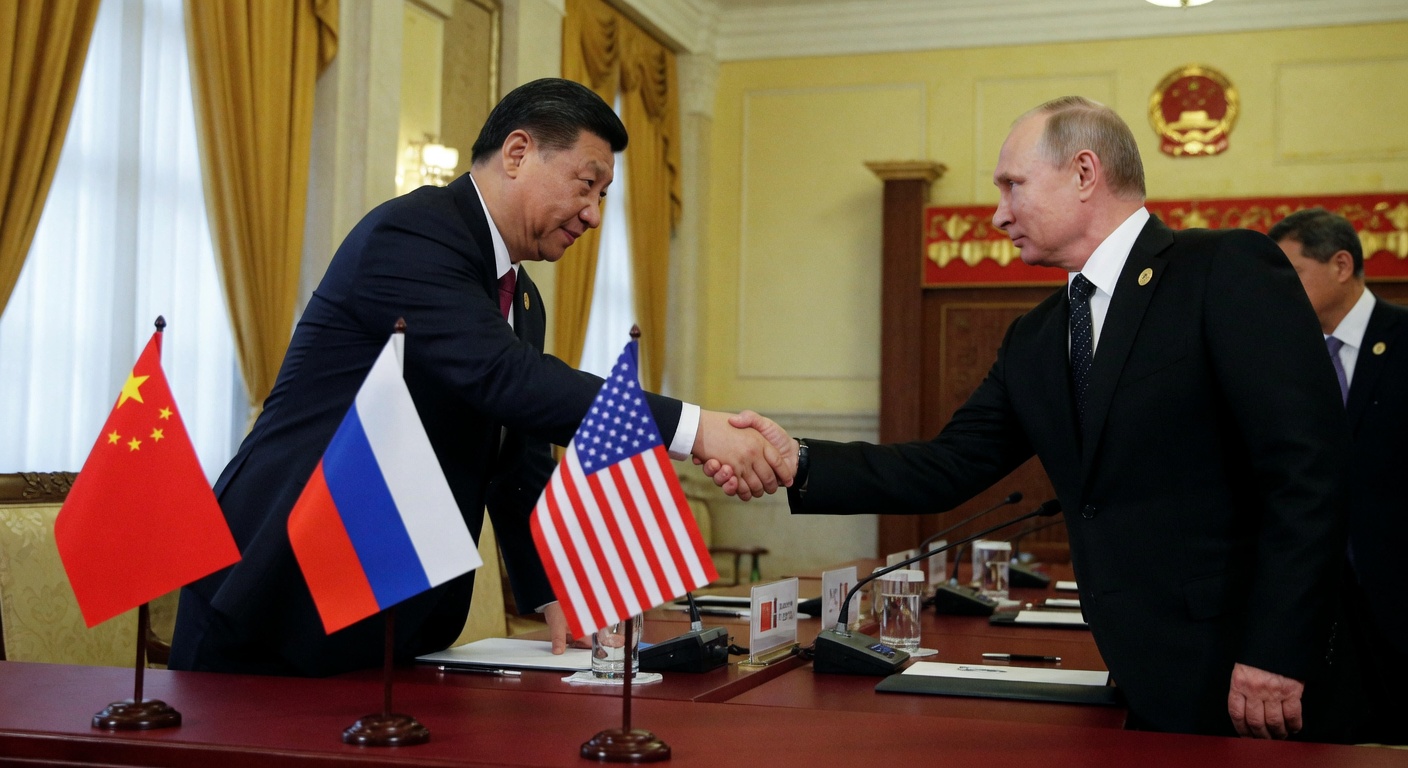
Xi and Putin Meet in Beijing, Condemn US Policies
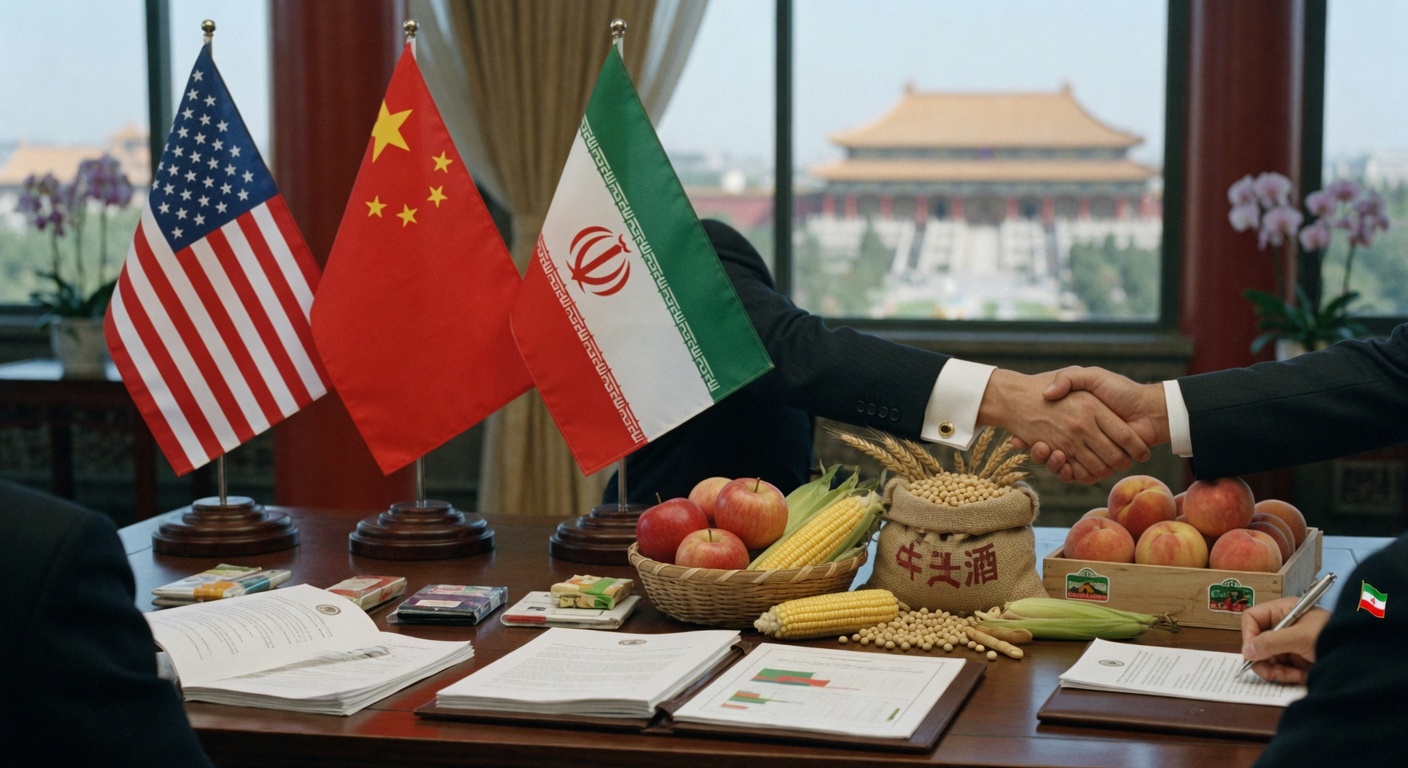
US Expects Billions in Chinese Farm Purchases Post-Trump-Xi Summit
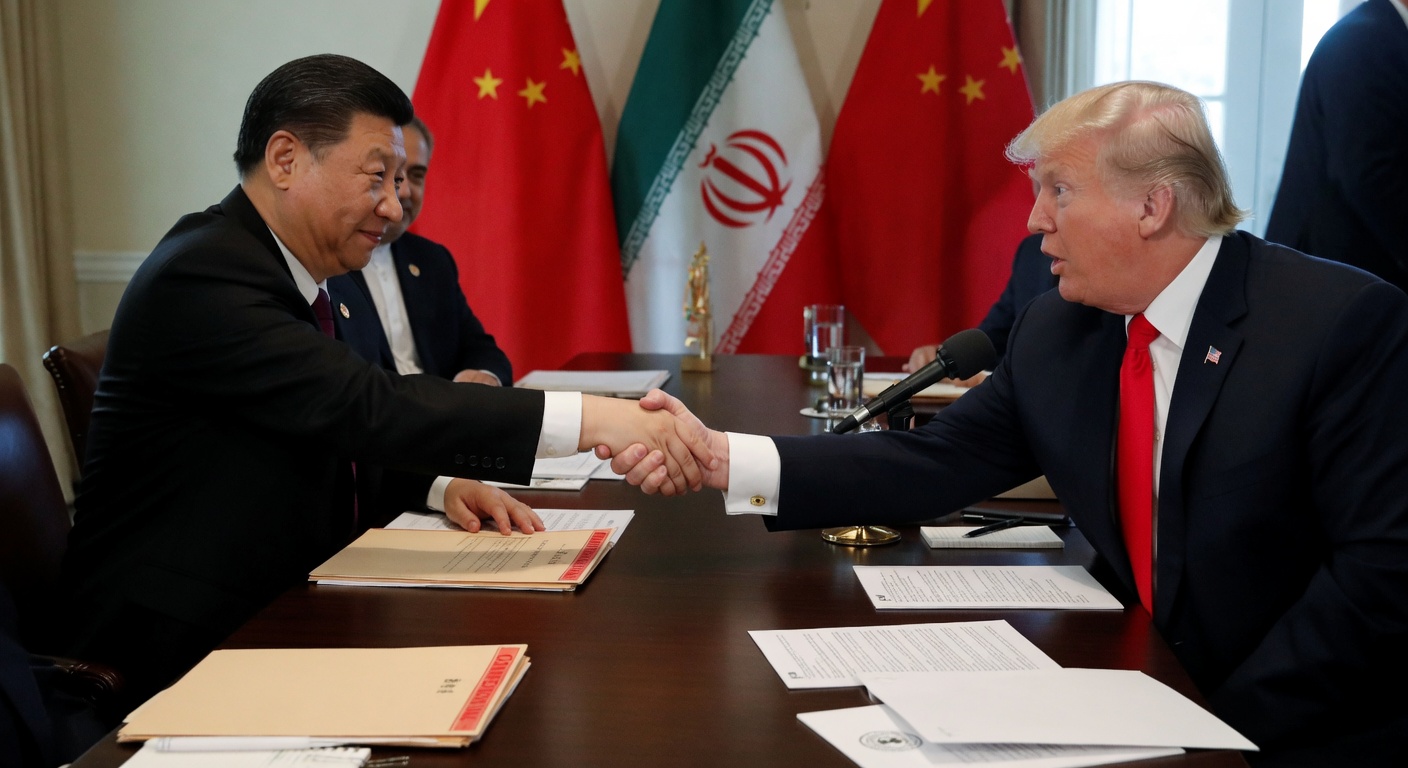
Trump Seeks China's Help to End Iran War During Trade Talks