MAEXO
macrobullishPublished Aug 4, 2026, 2:00 PM

BEA Set to Implement PCE Methodology Changes Lowering Measured Inflation

BEA Set to Implement PCE Methodology Changes Lowering Measured Inflation
The Bureau of Economic Analysis plans revamps to PCE components that economists expect will downwardly revise core inflation readings later in 2026.
The upcoming changes to how the Bureau of Economic Analysis calculates the Personal Consumption Expenditures price index represent a significant statistical adjustment at a pivotal moment for monetary policy. By altering the treatment of three key components, the revisions are projected to trim annual core PCE inflation figures by 0.1 to 0.2 percentage points in affected months, according to estimates from Goldman Sachs and JPMorgan. This comes as the Fed continues to monitor its preferred inflation gauge amid persistent above-target readings, with recent data showing core PCE around 3.3% year-over-year in spring 2026. The revisions will be incorporated into the annual GDP updates scheduled for September 30, potentially altering perceptions of inflation progress without any actual change in underlying price pressures. Traders should note that while this is a methodological shift rather than economic improvement, it could ease some hawkish pressures on rate expectations and support risk assets in the near term. Sectors sensitive to real yields, such as technology and growth equities, may see incremental tailwinds, while fixed-income markets could price in slightly lower terminal rate assumptions. Next, market participants will watch the September GDP revisions closely for the precise impact and any commentary from Fed officials on whether the lower readings influence their dot-plot projections or balance-sheet plans. Volatility in Treasury yields is likely around the release date as models are updated.

Share this story

Spread the signal — link, social or copy.

Related coverage
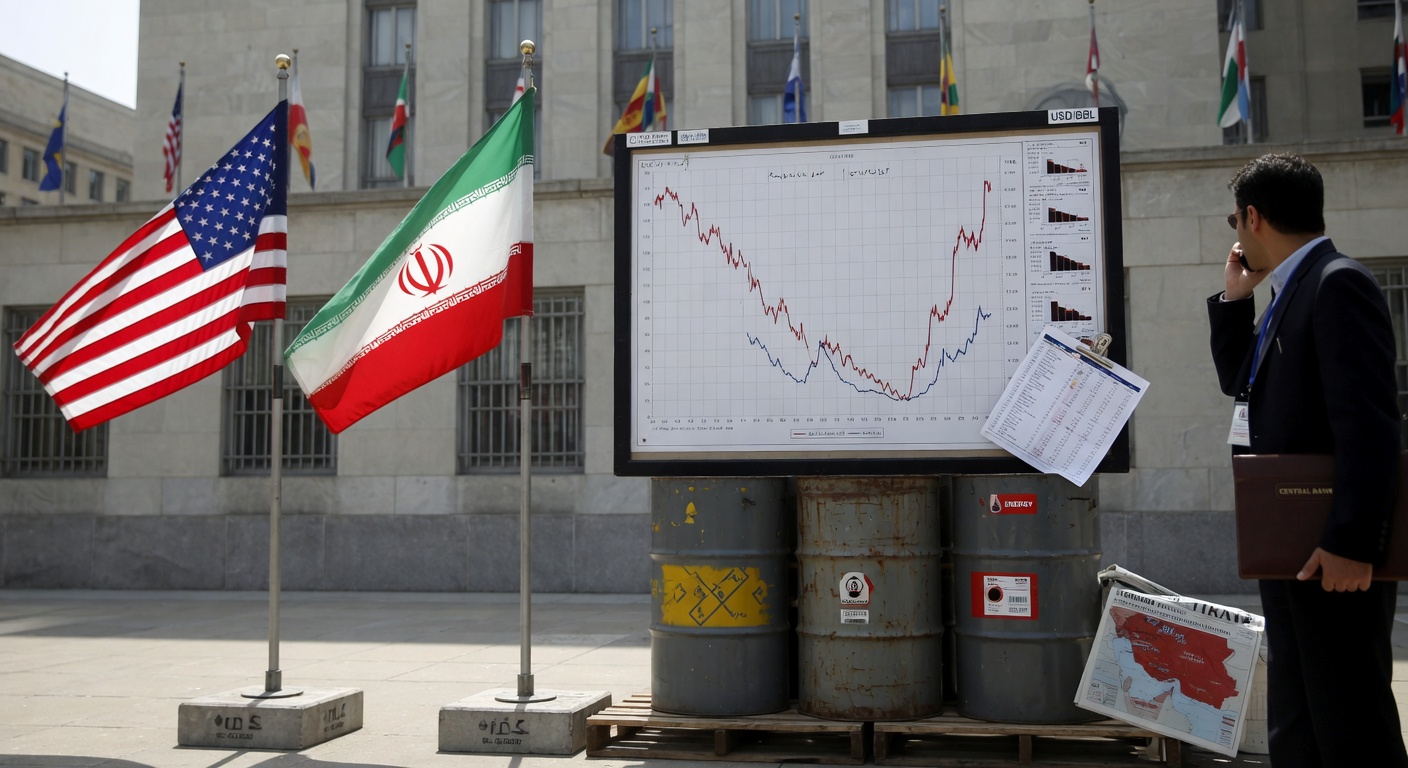
US April PCE Inflation Accelerates to 3.8% YoY
macrobearish

US April PCE Inflation Accelerates to 3.8% YoY

The personal consumption expenditures price index rose 3.8% year-over-year in April, the largest increase since May 2023, driven by higher energy prices amid the Iran conflict; core PCE hit 3.3% annually.
Fed Chair Warsh Makes First Hires Including 'Project 2025' Author
macroneutral

Fed Chair Warsh Makes First Hires Including 'Project 2025' Author

New Federal Reserve Chair Warsh appointed initial staff members, including a key 'Project 2025' figure, signaling potential shifts in central bank policy direction amid ongoing inflation concerns from Middle East conflicts.

US April PCE Inflation Surges to 3.8% YoY, Fastest in Three Years
macrobearish

US April PCE Inflation Surges to 3.8% YoY, Fastest in Three Years

The Personal Consumption Expenditures Price Index jumped 3.8% year-over-year in April, the largest rise since May 2023, driven by higher energy prices from the Iran war. Core PCE advanced 3.3% YoY, well above the Fed's 2% target.

ECB Says Consumer Price Expectations Ease But Stay Elevated
macrobearish

ECB Says Consumer Price Expectations Ease But Stay Elevated

Euro-area consumers’ expectations for inflation in three years fell slightly to 2.9% in April from 3% in March, per ECB survey released June 1, though policymakers remain likely to raise interest rates next week.

US April Core PCE Inflation Hits 3.3% Annual Rate
macrobearish

US April Core PCE Inflation Hits 3.3% Annual Rate

The Fed's preferred core PCE gauge rose 3.3% year-over-year in April, matching expectations, while headline PCE jumped 3.8% YoY, the largest annual increase in three years, driven by energy prices amid the Iran conflict. GDP growth was revised lower to 1.6% annualized for Q1.
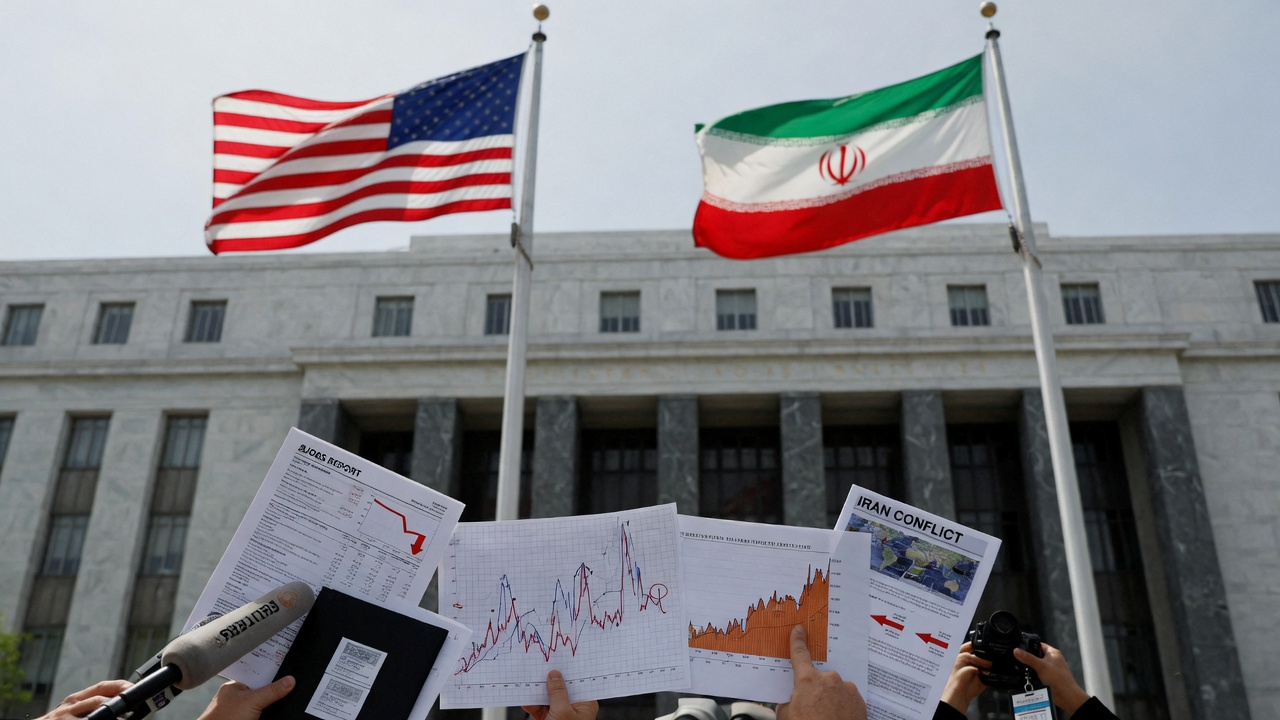
Fed rate hike expectations surge after strong US jobs data
macrobearish

Fed rate hike expectations surge after strong US jobs data

Stronger-than-expected May jobs report boosted bets on a Federal Reserve rate hike by December to around 70% probability, with Goldman Sachs now delaying any cuts until 2027 amid persistent inflation pressures from the Iran conflict.

HIGH RISK WARNING: Trading Forex and leveraged derivative products (CFDs) or crypto involves significant risk and is not suitable for all investors. Leverage magnifies both gains and losses. You do not own or have rights to the underlying assets. You may lose all your invested capital; never speculate with funds you cannot afford to lose. Information on this site is general and does not constitute personalized financial advice. Past performance does not guarantee future results. Please ensure you fully understand the risks and review our legal documents section.