Asia Equities Skid on US-Iran Conflict and Elevated Oil Prices
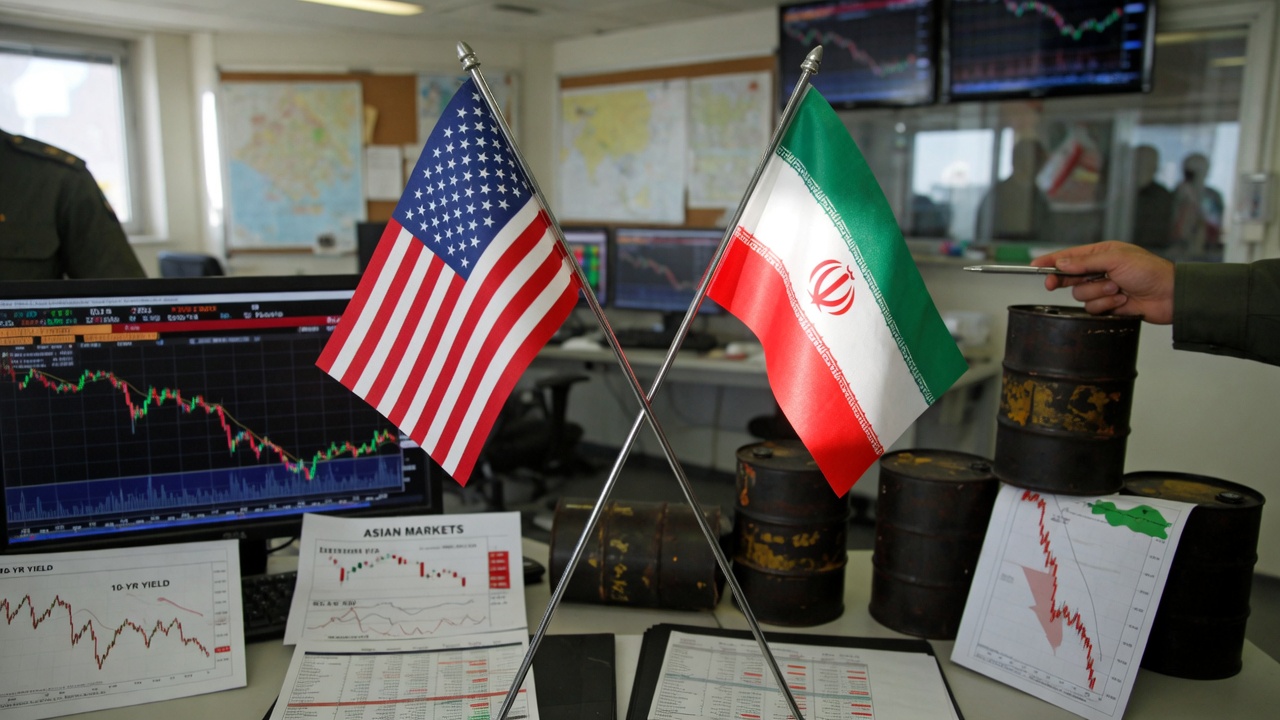
- Asian share markets declined sharply on August 31, 2026, as renewed fighting between the US and Iran drove oil prices higher and bond yields remained elevated.
Global equities faced immediate pressure from escalating geopolitical tensions in the Middle East, with fresh US-Iran clashes lifting crude oil benchmarks and stoking inflation concerns. Asian indices led the decline, reflecting vulnerability to energy costs and risk-off sentiment.
The Nikkei 225 fell 1.67% while broader regional benchmarks mirrored the move lower amid thin trading volumes ahead of US holiday. Traders are monitoring oil's trajectory above key resistance levels and any further escalation signals from Washington or Tehran.
Energy and materials sectors outperformed within the downturn, while defensives and tech lagged. Next watchpoints include OPEC+ responses, US inventory data, and whether the conflict disrupts shipping lanes critical for Asian importers.
This event underscores how quickly macro risks can override domestic fundamentals in equity pricing.
AI insight — what it means
Asian stock markets dropped because fighting between the US and Iran pushed oil prices higher. Higher oil costs and already high bond yields make stocks less attractive for regular investors.
Unlock the full AI insight
Free account — takes 10 seconds.
- Why this story matters — explained simply
- How it moves prices, sectors and assets
- What traders and analysts are watching next
Share this story
Spread the signal — link, social or copy.
Related topics
Related coverage

S&P 500 and Nasdaq Rally on Tech Earnings Beat

Quantum Computing Stocks Surge on U.S. Government $2B Funding and Equity Stakes

Dow Jones Hits New Record Close, S&P 500 Posts Eighth Winning Week

Dow Jones Closes at Record High of 50,579.70
Nvidia Reports Strong Q1 Earnings but Shares Decline Amid Oil Spike